


We are living in an era of advanced technology and are surrounded by smart devices that are connected to each other for our convenience. However, this convenience often comes at the cost of our privacy.
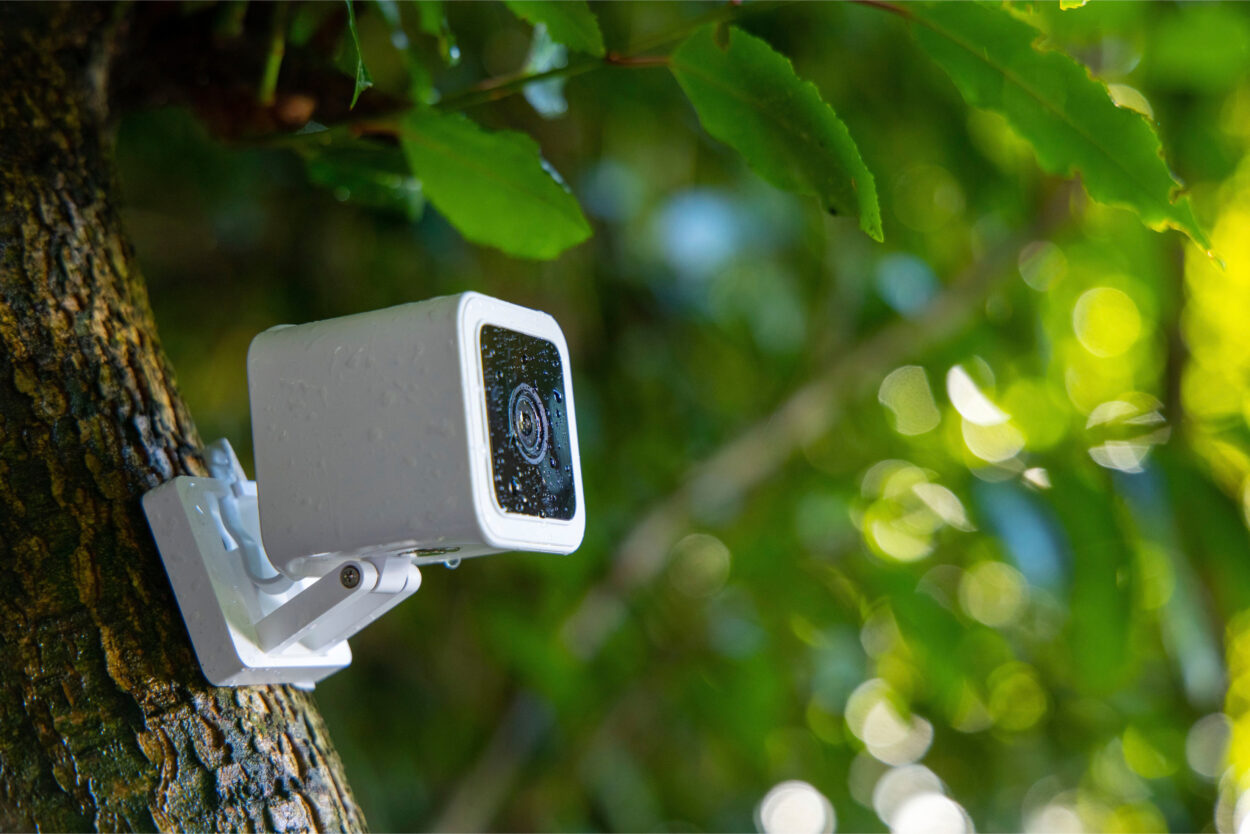
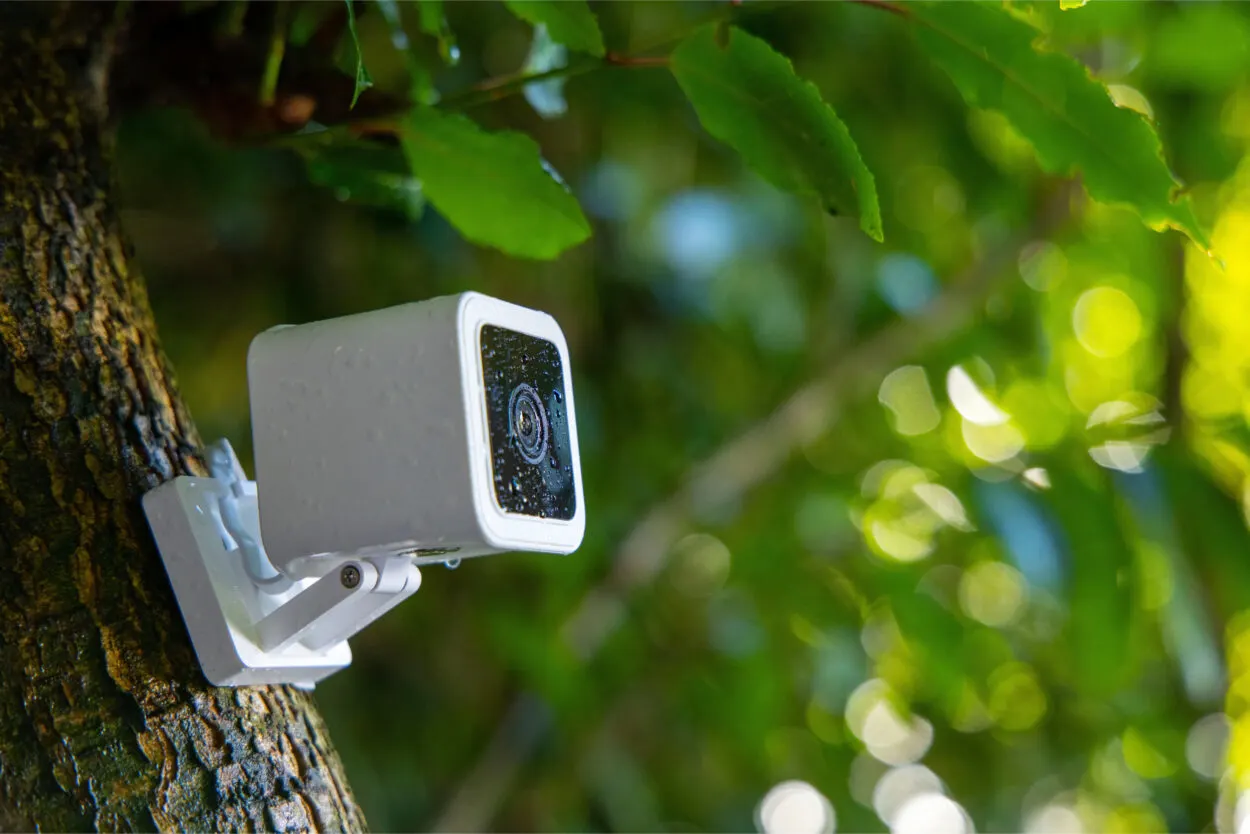
Recently, an unfortunate incident occurred where Wyze home security cameras were compromised during an Amazon Web Services (AWS) outage.
This privacy breach allowed thousands of users to unintentionally access images and videos from other users’ cameras, which raised serious questions about the security and privacy of IoT devices. It is reported approximately 13,000 users were able to view video footage from other people’s homes.
This incident has highlighted the urgent need for stronger security measures to be implemented to ensure that users can trust the devices they use and the companies that manufacture them.
By continuing to use this website you agree to our Terms of Use. If you don't agree to our Terms, you are not allowed to continue using this website.
The Glitch Unveiled
The glitch, triggered by the AWS outage on an unassuming Friday, left Wyze users bewildered as they found themselves inadvertently accessing images and videos from unfamiliar cameras.
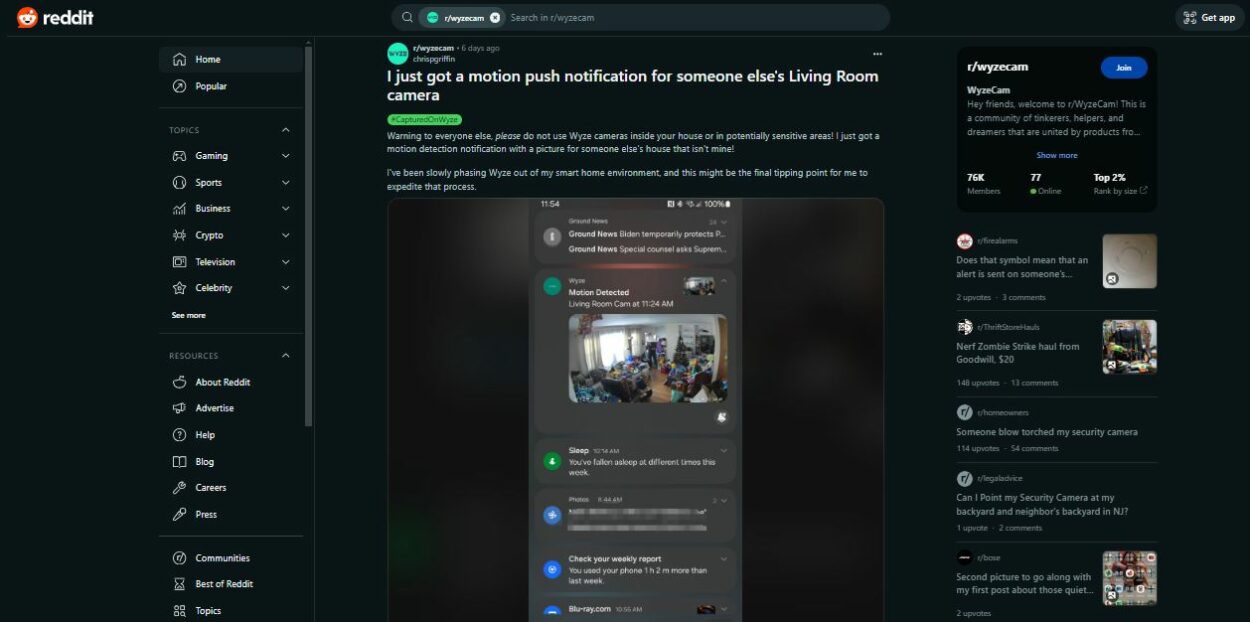
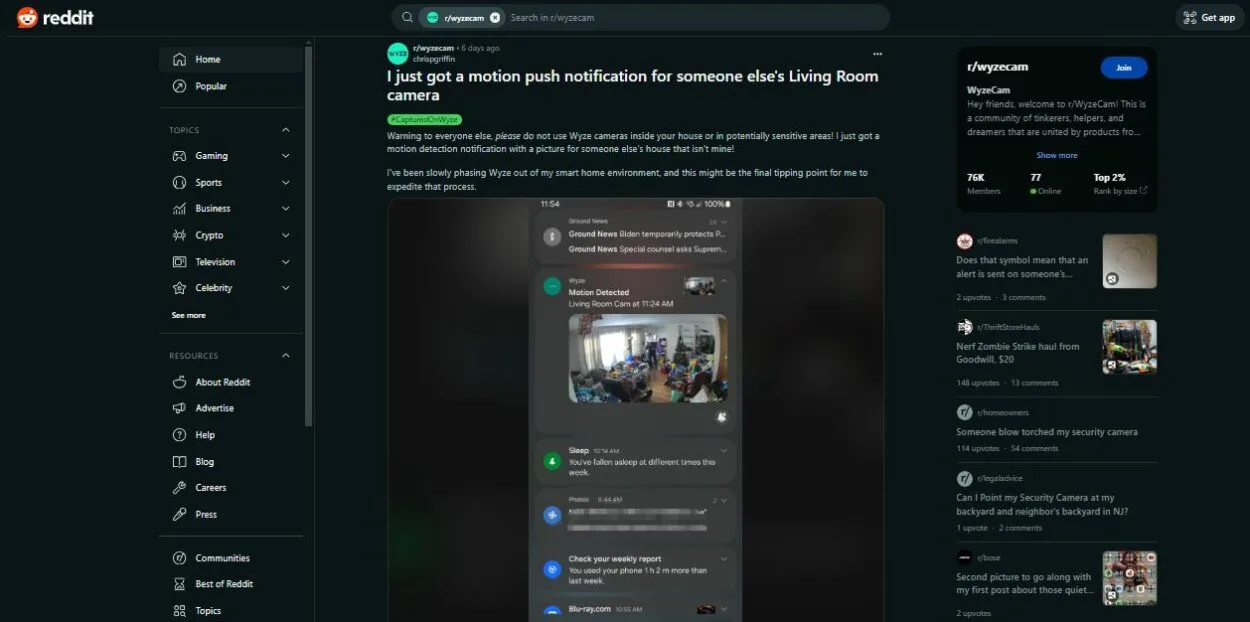
Initially, users encountered difficulties accessing their own camera footage, only to be further perplexed when they received thumbnails and video clips from cameras that did not belong to them. Users took to online forums and social media platforms to share their bewildering experiences, recounting notifications from cameras capturing events inside strangers’ homes.
“I just got a motion detection notification with a picture for someone else’s house that isn’t mine!” exclaimed one user, echoing the sentiments of many others who found themselves unexpectedly peering into the lives of strangers.
The glitch, initially dismissed as a transient issue, soon escalated into a full-fledged privacy breach, shaking the trust of Wyze users and raising questions about the security protocols governing IoT devices.
Several users have reported seeing random camera feeds they do not have permission to access on the Wyze forums and Reddit. One user wrote, “I’m able to see a random camera I do not have permission for,” while another stated, “Notification alert for a camera I don’t own.” In addition, around six users commented on other Reddit posts to confirm they were also experiencing the same issue with unauthorized camera images appearing.
On Friday, there was an initial outage that eventually eased up. However, the company then reported thumbnail issues at 1:07 PM ET.
They stated that they were investigating an issue with the Events Tab and promised to provide an update shortly. However, they did not provide any explanation regarding the issue. At 2:27 PM ET, the company turned off the Events tab entirely.
They stated that they were temporarily disabling it in the Wyze app so as to investigate a possible security issue. They also promised to have it back up soon. At this point, the company had still not mentioned what the issue might be.
In September of last year, The New York Times announced that it would no longer recommend Wyze cameras to its readers. This decision was made in response to previous issues where some Wyze customers were able to see into other customers’ homes. The New York Times noted that Wyze had not reached out to its customers or provided adequate information about the incident.
Repercussions and Response
In the aftermath of the breach, Wyze responded swiftly to contain the situation and reassure users.
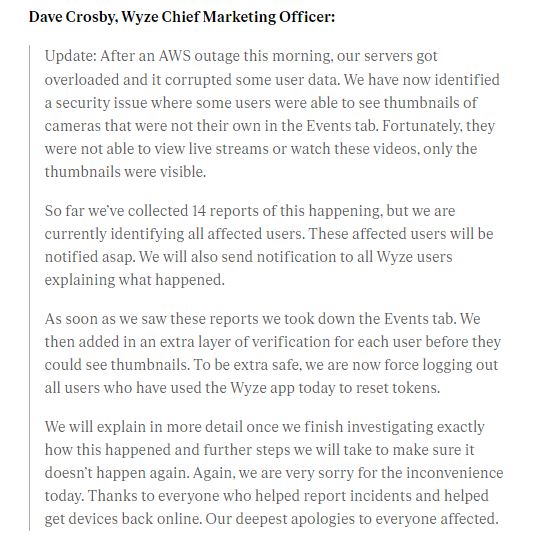
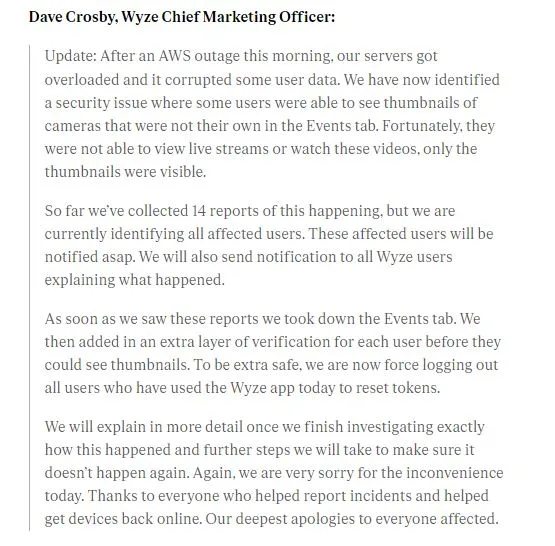
The company attributed the glitch to a third-party caching client library overwhelmed by the surge in demand following the AWS outage. While Wyze emphasized that only thumbnails were exposed and not live streams or full videos, the incident raised significant concerns about the security and privacy of Wyze cameras.
To mitigate the breach, Wyze implemented several measures, including blocking access to the ‘Events’ tab and adding an extra verification layer for accessing event videos. Additionally, users who accessed the app on the day of the glitch were forcefully logged out to reset authentication tokens.
Despite these efforts, the breach left many users feeling vulnerable and exposed, with lingering doubts about the safety of their personal data. The incident not only highlighted the vulnerabilities of IoT devices but also underscored the urgent need for robust security measures and proactive threat mitigation strategies in the digital age.
Wyze’s Struggle to Regain User Confidence
Despite Wyze’s efforts to address the breach, the incident marks the second time in just five months that users have faced privacy breaches of this nature. The recurrence of such incidents has eroded trust among customers, who question the efficacy of Wyze’s security practices and response mechanisms.
To have that happen even once is a cardinal sin when it comes to security; twice, it may be difficult to regain trust, lamented one user, encapsulating the sentiments of many who feel betrayed by the breach of their privacy.
The incident not only tarnished Wyze‘s reputation but also cast a shadow of doubt over the entire IoT industry. As consumers become increasingly reliant on interconnected devices to streamline their lives, ensuring the security and privacy of personal data must be paramount.
Future Imperatives
As the dust settles on the Wyze privacy breach, it serves as a poignant reminder of the multifaceted challenges inherent in ensuring the security and privacy of IoT devices. The incident underscores the need for rigorous security protocols, proactive threat monitoring, and transparent communication to safeguard user privacy and safety.
Industry stakeholders must collaborate to establish robust standards and best practices for IoT security. By addressing the root causes of security vulnerabilities and embracing transparency, the IoT industry can build a safer and more trustworthy ecosystem for all.
Conclusion
- The privacy breach involving Wyze home security cameras underscores the urgent need for enhanced security measures and transparent communication in the IoT industry.
- Protecting consumer privacy and security must remain paramount as reliance on connected devices continues to grow.
- By learning from past incidents and prioritizing security by design, the IoT industry can pave the way for a safer and more resilient future.
- As users navigate the complexities of IoT devices, they must remain vigilant about the potential risks and take proactive steps to safeguard their privacy.
- Meanwhile, companies like Wyze must demonstrate a steadfast commitment to addressing security vulnerabilities and earning back the trust of their user base.
- Only through collective effort and unwavering dedication to security can the IoT industry realize its full potential as a force for good in the modern world.