


Starlink expands its reach
Starlink started as a solution for rural homes without strong cable or fiber internet. Now it is becoming a wider challenge for U.S. internet and phone companies. Its satellite network can support homes, businesses, travelers, farms, boats, planes, and emergency crews.
That reach matters because SpaceX does not have to build towers or cables along every road to serve hard-to-reach customers.

Dead zones become targets
Dead zones still frustrate Americans on highways, in rural counties, near mountains, and during major storms. Traditional carriers often need cell towers, power, permits, land access, and fiber connections before coverage improves. SpaceX can address those gaps from orbit using satellites that do not depend on nearby cell towers.
That gives Starlink a different advantage in places where building new ground networks may be too slow, expensive, or difficult.

T-Mobile opens the door
SpaceX’s direct-to-cell partnership with T-Mobile gives Starlink a real opening into America’s wireless market. The service is built to connect regular phones in areas where cell towers do not reach. It started with messaging and could expand as the technology improves.
That shift matters because SpaceX is no longer only selling satellite home internet. It is moving closer to the coverage business.

Satellite texting changes expectations
Satellite texting may seem like a small feature, but it can change how people judge phone coverage. If a regular phone can send messages from remote areas without a nearby tower, old coverage maps start looking less complete.
Carriers have long promoted nationwide networks, yet gaps still remain. SpaceX can challenge that message by focusing on travelers, outdoor users, rural drivers, and emergency situations.

Broadband providers face pressure
Cable and telecom companies have long counted on home internet customers for steady monthly revenue. Starlink is now competing for some of that money, especially in rural and underserved communities.
It may not replace fast fiber in crowded cities, but it can challenge providers in areas with limited choices. If customers see satellite internet as easier to get or more reliable, traditional companies could face new losses.
Fun fact: Starlink is no longer just a rural internet backup. It has grown past 10 million users worldwide, which makes SpaceX look less like a space company and more like a future telecom giant.

Low orbit creates advantage
Starlink uses low Earth orbit satellites that fly much closer to the planet than older satellite internet systems. That shorter distance helps reduce lag and makes the service more useful for browsing, streaming, video calls, and remote work.
Older satellite internet often had a reputation for slow response times. Starlink helped change that view by making satellite broadband feel more practical for everyday use.
Fun fact: Starlink has become so important to in-flight Wi-Fi that major airlines are racing to add satellite internet, turning airplane cabins into another battleground for the telecom industry.

Airlines reveal bigger ambitions
Airlines show how Starlink is moving beyond home internet. Fast in-flight Wi-Fi has become a selling point, and SpaceX has been attracting carriers seeking better onboard connectivity.
That matters because planes are only one part of the larger market. Ships, RVs, remote worksites, mobile businesses, and travelers could all become customers in a broader connectivity race that telecom giants cannot ignore.

Wall Street notices threat
Investors now view SpaceX as more than a rocket company. Starlink’s growth has made analysts pay closer attention to how satellite broadband could affect the communications industry.
Telecom and cable companies may still have vast networks, but Starlink is targeting markets where older systems are weaker. If satellite service becomes a stronger everyday option, legacy providers may need to defend both customers and investor confidence.
SpaceX has unusual control
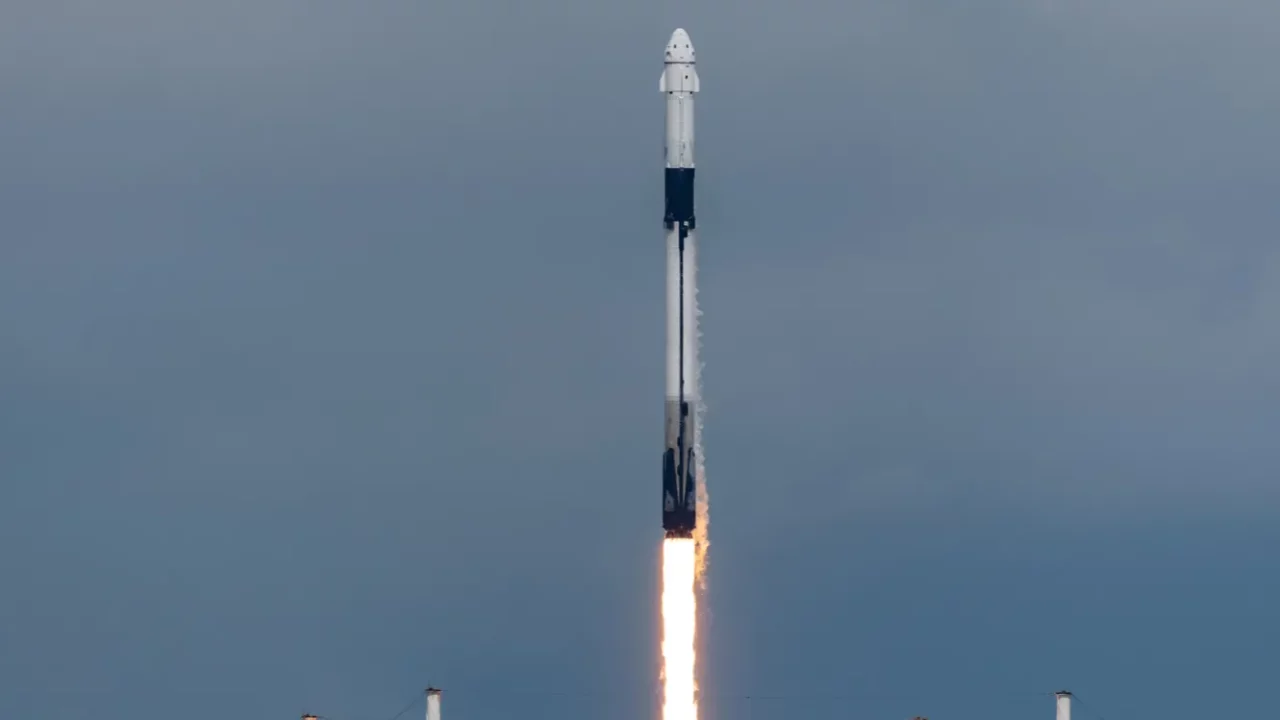
SpaceX is not the only company chasing satellite-to-phone service, but it has major built-in advantages. It launches its own rockets, builds satellites at scale, and already operates a large network. That control can speed expansion and reduce dependence on outside partners.
Traditional telecom companies often rely on tower owners, fiber providers, equipment vendors, and local permits, which can slow and complicate network growth.

Rural users gain leverage
For many rural Americans, the biggest question is not which brand they prefer. It is whether reliable service is available at all. Starlink gives those customers another option when cable, DSL, or cell coverage is weak.
Even if it is not always the cheapest choice, it changes expectations. Local providers may feel pressure to improve speeds, expand service, or offer better deals.

Capacity limits still matter
SpaceX is a real threat, but it does not erase every advantage held by telecom giants. Fiber networks and dense 5G systems can still handle heavy traffic in big cities better than satellites can today.
Satellite capacity is shared across wide areas, which can limit performance when many users connect at once. That means Starlink may pressure weaker markets first rather than replacing major carriers everywhere.

Pricing could change choices
If Starlink improves performance and becomes more affordable, more customers may compare it with cable, fixed wireless, and mobile plans. That matters because internet and phone bills are already a major household expense. Traditional providers may respond with bundles, discounts, or stronger rural offers.
Even without taking over the market, SpaceX could force competitors to rethink pricing in places where customers finally have another option.
Curious how SpaceX is working behind the scenes to make those speed boosts possible? Take a quick look at how newly approved spectrum could help strengthen your signal even more.

Telecom threat keeps growing
The real threat is not that SpaceX will replace every U.S. telecom giant overnight. The bigger concern for incumbents is that Starlink keeps winning hard-to-serve customers, mobile use cases, emergency demand, and public attention around coverage gaps.
If satellite internet and direct-to-phone service keep improving, SpaceX could become a lasting force in American communications and push older providers to move faster.
Want to know what happens when big upgrades hit a growing network? Take a moment to see how recent Starlink changes briefly disrupted service and what it means going forward.
Could SpaceX really change how Americans think about phone and internet coverage? Share your thoughts in the comments, and give this post a like if you’re watching Starlink’s next move.
This slideshow was made with AI assistance and human editing.
Don’t forget to follow us for more exclusive content right here on MSN.
Read More From This Brand:





