


Lidl’s plan to stock portable solar kits
Lidl is exploring plans to sell portable solar kits through its retail stores. The move would place solar hardware on shelves alongside standard grocery and household products.
No confirmed launch date has been announced publicly. The reported plan follows broader interest from discount retailers in stocking entry-level renewable energy products for residential use.

How are plug-in solar systems connected?
Plug-in solar kits are designed to connect to a standard household wall outlet after the panels are positioned outdoors. The system feeds generated power into the home’s existing electrical circuit.
Setup does not involve structural modifications or dedicated electrical wiring. The specific steps and requirements vary by product model, and buyers should review the manufacturer’s installation documentation before purchasing.

Balcony and fence mounting for solar panels
Some portable solar panels are designed to attach to apartment balconies or residential fences using mounting hardware included with the kit. This allows installation in locations without roof access.
Suitability depends on the available surface, sun exposure, and local building rules. Renters should check with their landlord or building management before installing any exterior-mounted hardware on the property.

How does plug-in solar affect grid energy use?
When a plug-in solar system generates electricity, that power feeds into the home’s circuit and reduces the amount drawn from the utility grid during the same period.
The reduction in grid consumption depends on panel output, household demand, and time of day. Actual impact on monthly utility bills varies based on local energy rates and usage patterns.
Fun fact: Every kilowatt-hour (kWh) of solar generation that your household or business self-consumes means one less kilowatt-hour (kWh) of electricity bought.

Regulatory background for plug-in solar sales
The retail sales of plug-in solar kits in several countries follow updates to national energy regulations. These changes established guidelines for how consumer plug-in solar systems connect to residential electrical circuits.
Requirements vary by country and region. Buyers should check local regulations and any utility provider rules that apply to plug-in solar systems before purchasing or installing one.

Balcony solar adoption figures in Germany
Germany has one of the highest rates of balcony solar adoption in Europe. Approximately 500,000 balcony solar systems are installed in Germany each year, according to publicly reported industry figures.
The German market developed in part due to regulatory frameworks that permit plug-in solar connections to standard household outlets. Other European countries have introduced similar frameworks at different stages.

Installation costs for plug-in solar kits
Plug-in solar kits sold at retail are designed for self-installation by the buyer. Professional installation is not included in the purchase price and is not required by the product design.
The absence of professional installation fees differs from traditional rooftop solar systems, which typically require licensed contractors. Total cost still includes the hardware price and any mounting accessories needed for the specific installation.

How do micro inverters work in solar kits?
Plug-in solar kits include a micro inverter that converts the direct current generated by the panels into alternating current compatible with standard household outlets. This conversion happens within the inverter unit.
The inverter connects between the solar panel and the wall outlet. Specifications for output wattage, safety certifications, and grid compatibility vary by model and should be confirmed before installation.
Fun fact: These two primary ways that solar helps the grid–offsetting the need for spending on both generation and transmission upgrades–add up to real savings for all consumers on the electricity grid.

App-based monitoring for solar output
Some plug-in solar kits include Wi-Fi connectivity and a companion app that displays real-time power generation data. Users can view output figures through the app on a smartphone.
Data shown typically includes current wattage output and historical generation records. App availability, features, and compatibility depend on the specific product model purchased.

Weather ratings on portable solar panels
Portable solar panels sold for residential use typically carry an IP or weatherproofing rating that indicates resistance to rain and wind. Panel frames are commonly made from aluminum.
The specific rating varies by product. Buyers should check the listed weatherproofing specification for the model they are considering and verify it is appropriate for their local climate conditions.

Selling surplus solar energy to utilities
In some regions, households that generate more electricity than they consume can sell the surplus back to the grid through a net metering or feed-in arrangement with their utility provider.
Eligibility, rates, and program availability vary by location and utility company. Homeowners interested in this option should contact their local utility provider to confirm whether a program is available in their area.
Energy prices and interest in home solar
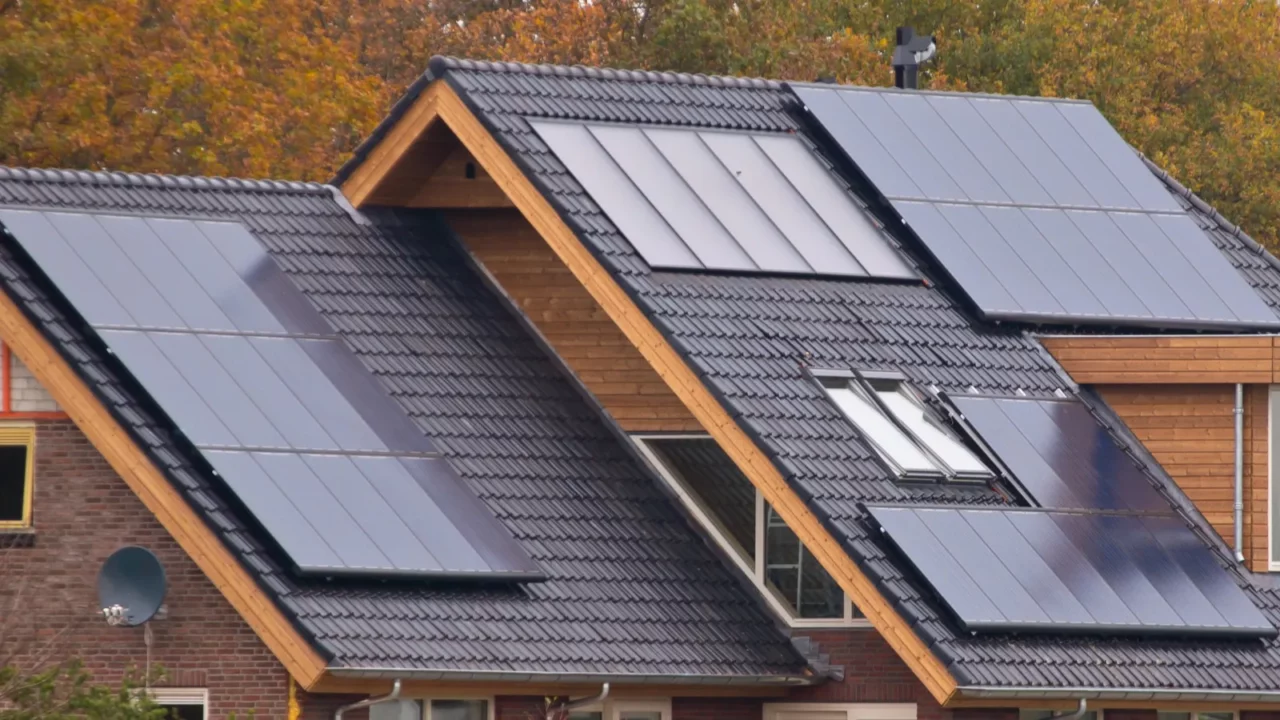
Rising electricity prices in several markets have contributed to increased consumer interest in residential solar products. The connection between energy costs and solar adoption is documented in multiple market reports.
Interest levels vary by region and are influenced by local energy prices, incentive programs, and product availability. No single factor determines adoption rates across different household and market contexts.
Wondering if solar could work for your home even without a full rooftop setup? Check out how balcony solar systems costing around $1,200 could reshape home energy savings to see what’s possible.
Renewable energy requirements in new construction
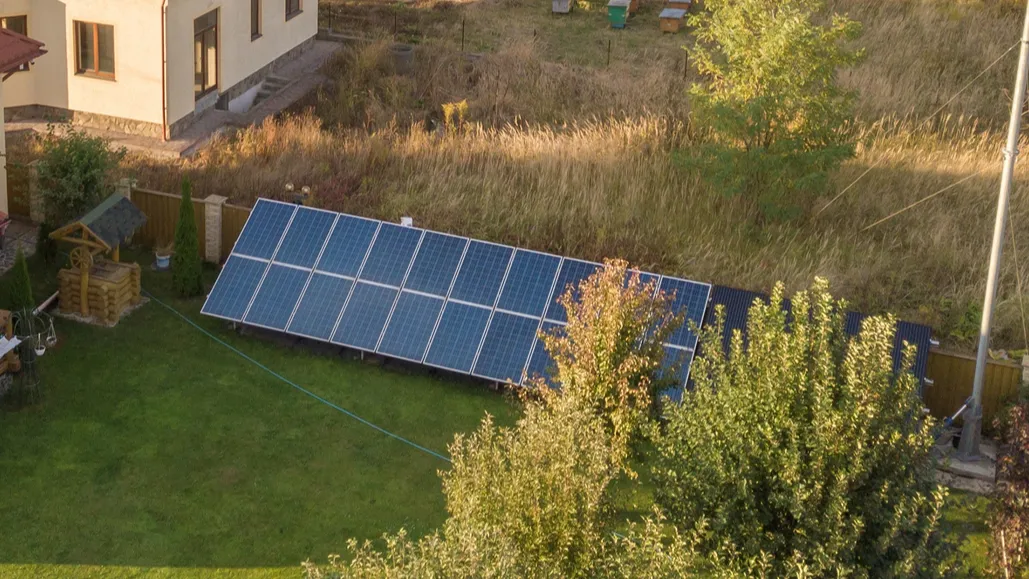
Several countries and jurisdictions have introduced or proposed building codes that require renewable energy systems in new residential construction. The specific requirements vary by location and are subject to ongoing legislative changes.
Portable plug-in solar kits are separate from these built-in system requirements. Whether a portable kit satisfies any local energy standard depends on the regulation’s specific technical and installation criteria.
Curious how solar fits into the bigger smart home picture? Take a look at how to enhance your smart home with solar energy for some ideas worth exploring.
Have you looked into renewable energy requirements in your area, or considered a portable solar setup? Share your experience in the comments, and a like always helps spread the word!
This slideshow was made with AI assistance and human editing.
Don’t forget to follow us for more exclusive content right here on MSN.
Read More From This Brand:





