


When a catchphrase becomes a warning
You’ve heard “alright, alright, alright” so many times that it feels like part of pop culture. That’s why Matthew McConaughey decided to trademark it, not for fame, but to protect what’s uniquely his in the AI age.
AI can now mimic voices perfectly, turning anyone’s catchphrase into digital clones for profit. McConaughey’s move isn’t just about ownership; it’s a signal that famous personalities are preparing for a world where imitation might feel just as real as the original.

Why trademark a voice line
Trademarking a spoken phrase sounds strange until you realize how easily voices can now be copied. McConaughey isn’t selling coffee mugs or T-shirts; he’s protecting his voice from being reused by machines without his consent.
AI can take a few seconds of speech and rebuild it entirely. That means anyone’s voice, not just a celebrity’s, could soon be used in fake videos, ads, or songs, spreading messages they never agreed to share.

AI can copy people too easily
AI voice tools are trained using hours of audio from interviews, podcasts, or social media. Once they’ve learned your speech patterns, they can make your voice say anything, even things you would never say yourself.
This kind of cloning can be used to create fake endorsements, impersonate public figures, or even scam people. The technology is improving so quickly that most of us wouldn’t know we were hearing an AI version until it’s too late.

Fake celebrities are spreading fast
From fake Drake songs to deepfake videos of Tom Cruise, digital doubles are everywhere online. These synthetic versions are so convincing that fans often believe they’re real until someone points out the truth.
Many of these fakes spread before celebrities can react. By the time lawyers or platforms take action, millions have already seen and shared them, leaving real reputations and incomes at risk in a world that rewards clicks over truth.

The law is far behind technology
Legal systems weren’t built for a world where anyone’s voice or face can be copied instantly. Some states protect personal likeness, but the rules change from one place to another, creating confusing gaps.
Trademarks were made to defend logos and slogans, not people’s personalities. So even when celebrities like McConaughey file them, it’s more like setting a warning sign than building a strong legal wall against deepfake misuse.

Even lawyers admit it’s unclear
McConaughey’s lawyer has said they don’t really know how courts will handle AI identity cases. This means trademarks offer limited certainty and might only scare off copycats who don’t want to risk a lawsuit.
The real challenge lies in defining what counts as fair use or creative freedom. Courts will need to balance parody, fan art, and digital impersonation in ways that protect creativity without stealing someone’s personal identity.

Hollywood saw this coming
Hollywood has been preparing for this moment. During the 2023 SAG-AFTRA strike, actors fought for rules ensuring AI couldn’t use their likeness or voices without their explicit approval and fair payment.
Studios were already experimenting with digital doubles and synthetic performances. The strike showed how fast technology was advancing and how necessary it was for artists to protect themselves before becoming background data for a computer.

Labor groups are on alert
The actors’ union SAG-AFTRA now treats AI as a major issue for its members. Protecting digital likenesses is part of contracts, not a bonus, showing how serious this problem has become in the entertainment world.
Union leaders say these protections will need constant updates. AI tools evolve faster than legal language, so every new contract risks being outdated almost as soon as it’s signed, leaving performers vulnerable to new types of exploitation.

Sean Astin sounds the alarm
Union president Sean Astin believes AI affects more than actors. He says the technology’s impact on personal identity is something society must address before it becomes too powerful to control or understand fully.
Astin argues that once AI starts using names, images, or voices, it crosses into labor rights territory. For him, it’s about fairness, consent, and ensuring people keep ownership over the parts of themselves that make them unique.
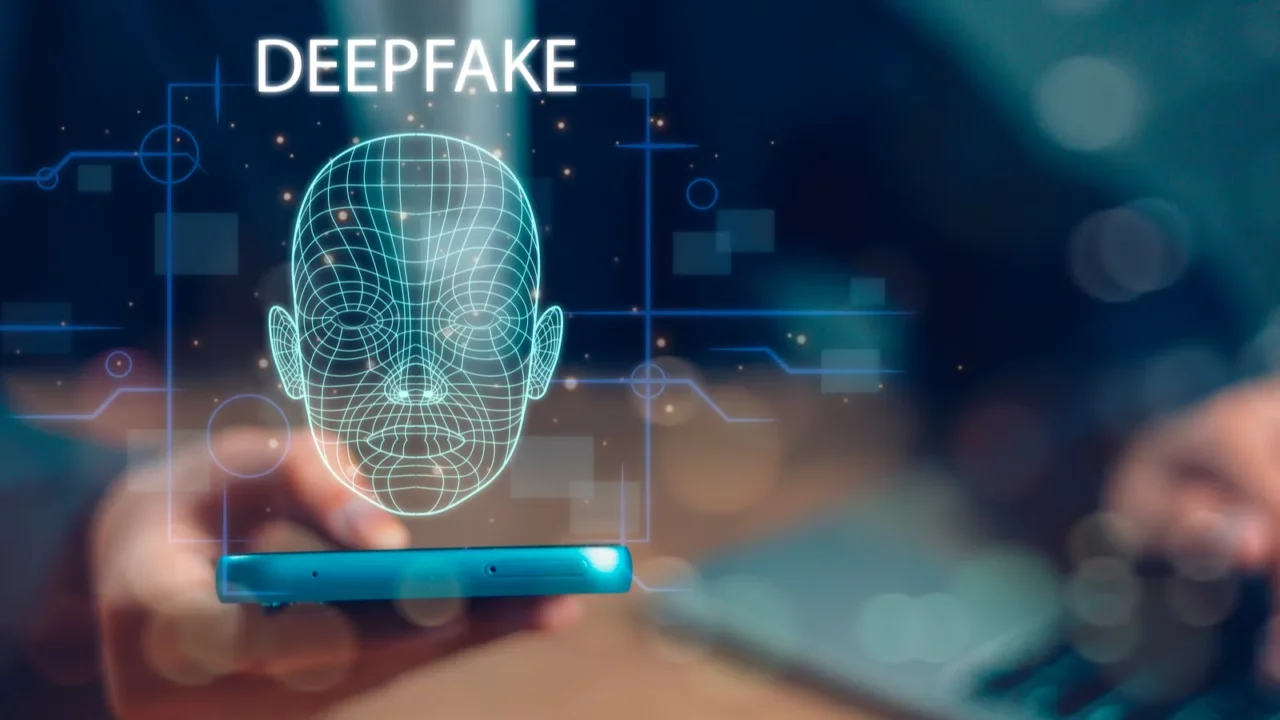
It’s not just a celebrity problem
Famous or not, anyone can be cloned. AI models scrape millions of online videos, photos, and recordings to build new voices and faces, meaning regular people could unknowingly become part of someone’s training data.
Most of us don’t have legal teams or the money to protect ourselves. That gap gives power to companies and creators who can use digital copies freely while leaving everyday users exposed to impersonation and misuse.

Consent is the missing piece
McConaughey’s stance is simple: if you want to use his voice, ask first. It’s a basic idea, but one that’s been largely ignored in the rush to build AI models trained on real human voices.
Many AI tools don’t reveal where their data comes from or who’s included. That lack of consent means people’s voices and faces could be used in projects or advertisements they never agreed to join or even know exist.

Culture matters as much as law
Laws alone won’t solve everything. People need to agree on new social rules for what’s acceptable when using AI-generated voices and faces, including how creators and fans treat digital replicas online.
Platforms could help by labeling synthetic media and encouraging ethical creation. Public pressure might become the real enforcer, rewarding artists and companies who use AI responsibly while calling out those who cross personal boundaries.
Curious how those rules are already being tested in court? Take a quick look at what’s happening next in Hollywood’s latest AI lawsuit.

The future of your digital self
AI is forcing everyone to rethink what ownership means. When a machine can copy your voice or face perfectly, your “digital twin” might exist online even if you never gave permission for it to exist.
Without stronger protections, anyone could lose control of how they appear or sound. That risk is growing for everyone, from celebrities to casual social media users, as identity itself becomes something that can be recreated in seconds.
Want to see how real this risk already is? This FBI warning shows how fast AI identity misuse is turning into a real-world problem.
What would you do if an AI version of you showed up online without your consent? Share your thoughts in the comments and tap the like button if this issue feels as unsettling to you as it does to many others.
This slideshow was made with AI assistance and human editing.
Don’t forget to follow us for more exclusive content right here on MSN.
Read More From This Brand:





Lucky you! This thread is empty,
which means you've got dibs on the first comment.
Go for it!