


Trump’s AI stake idea
AI is no longer just a tech story for investors. President Donald Trump’s equity idea asks whether Americans should share profits from companies building artificial intelligence at scale.
The idea remains under review, not final policy. Options include public shares, stock-based taxes, federal funding deals, and dividend-style payments tied to industry gains for Americans.

Why public stakes are being discussed
AI companies could create huge wealth while changing jobs, schools, and health care for millions of people. Some leaders worry families may face disruption without sharing profits as technology spreads.
That concern has prompted Washington to explore ownership models before profits further concentrate among investors. The question is whether public support, data, and research should yield returns for citizens.

Stock taxes could create public shares
One proposal would require some AI firms to pay a tax with company stock instead of cash. Those shares would be held by the government for public benefit.
Supporters say this could capture AI wealth without new Treasury spending upfront. Critics would question valuation, voting rights and how much influence officials should hold under clear legal rules.

Sanders backs a larger public role
Sen. Bernie Sanders has proposed major public ownership of large AI firms. His plan also includes board representation meant to give the public a stronger voice in corporate governance debates.
That version goes beyond a small stake. It would give the government more power, raising questions about oversight, competition, investor confidence, and company decisions over time in the AI sector broadly.
Little-known fact: President Donald Trump’s AI policy is not just about chatbots. His official AI Action Plan is built on three pillars: speeding up innovation, building AI infrastructure, and leading in international AI diplomacy and security.

Federal funding could come with equity
Another path would trade public funding for ownership stakes. If Washington helps finance AI infrastructure, taxpayers could receive shares rather than only grants or loan support.
This model may appeal to firms needing capital for chips, data centers, and heavy computing projects. It could also give taxpayers a clearer claim on future gains if AI succeeds financially.
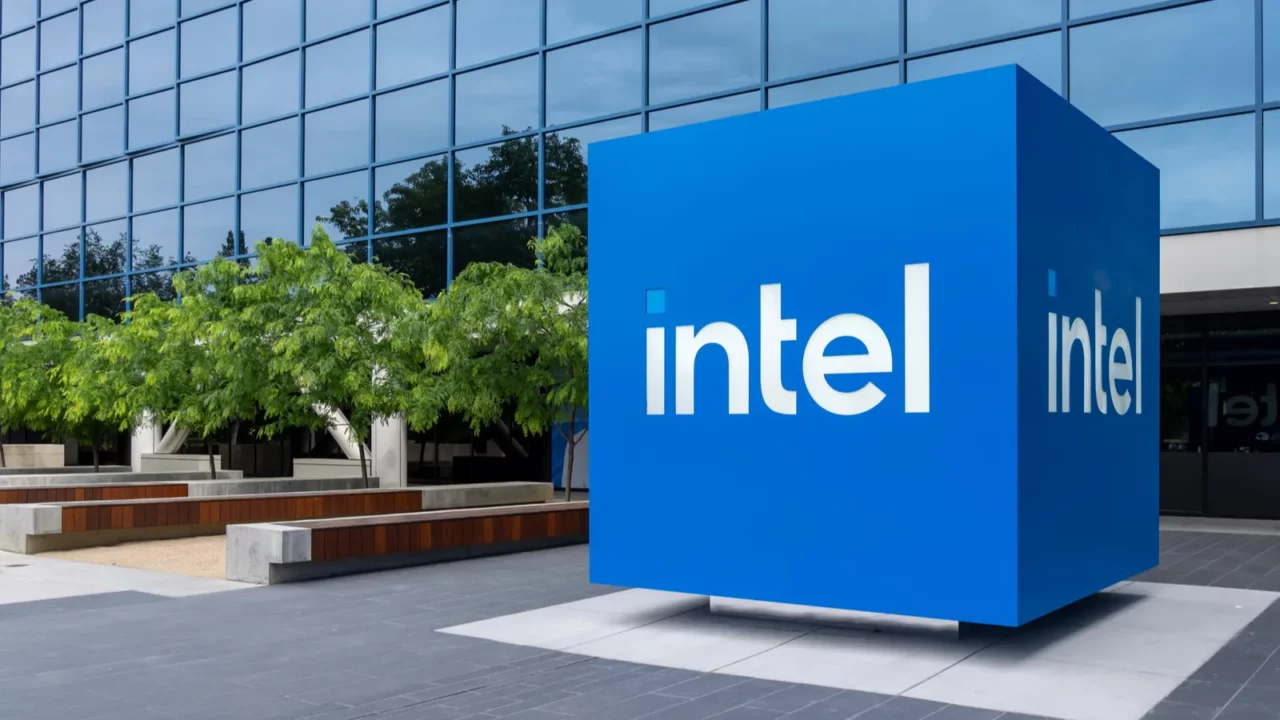
Intel deal offers a recent comparison
The Intel arrangement is being watched because it linked federal support with a government ownership stake. For AI, a similar deal could target critical infrastructure needed for future AI systems.
The comparison is useful but imperfect. Chip manufacturing and AI model development carry different risks, timelines, and markets, so any equity deal would need firm limits and public safeguards upfront.
Fun fact: Trump ordered an AI Action Plan within 180 days of taking office in 2025. That means AI became one of the administration’s early policy priorities, not a side topic buried in tech circles.

AI growth requires massive spending
Leading AI systems demand expensive chips, giant data centers, steady electricity, and specialized workers. That makes capital a major challenge, even for fast-growing companies trying to keep pace with demand.
When companies need huge financing, government support becomes more tempting. Public stakes could turn that support into an asset, rather than a one-way subsidy for taxpayers, if projects succeed financially.

A public wealth fund is on the table
OpenAI has discussed a public wealth fund concept tied to AI investment. The goal is to let citizens share in the proceeds from the sector’s growth rather than only private investors.
Such a fund could hold shares or related assets for public benefit. Its success would depend on governance, transparency, risk controls, and clear distribution rules before money reaches citizens directly.

Digital dividends focus on payments
Anthropic has explored a digital dividend idea funded by taxes on the AI sector. The concept centers on payments to Americans, not direct ownership stakes or control of companies.
Supporters see dividends as simple and visible for families facing change. The challenge is making payments fair, sustainable, and tied to real revenue, not promises or empty campaign-season talking points.

Board seats could shift oversight
Some proposals include government representatives on AI company boards. That would give public officials a voice in decisions involving safety, strategy, and public impact before problems reach the wider public.
Board seats also create tension inside private firms. Companies must compete and innovate, while officials must protect citizens, avoid favoritism, and focus on public interest rather than political goals alone.

IPO plans raise the stakes
OpenAI and Anthropic have reportedly moved toward initial public offerings. If those plans advance, company valuations and public ownership questions could grow louder fast as outside investors seek access.
Public markets can bring cash and scrutiny at once. A government stake would add another layer involving securities rules, investor expectations, and political debate during any future share sale process.
AI public listings could bring money, scrutiny, and a lot more political tension. See why AI workers and CEOs are turning against the Trump administration.

The details will decide public trust
Trump’s idea faces practical questions for policymakers and companies. Which firms would qualify, how shares would be valued, and who would manage public assets all matter under any clear proposal.
The outcome could shape how Americans view AI profits for years. A clear plan may build trust, while vague rules could fuel doubts about fairness among voters and investors later.
If voters are going to trust an AI profit-sharing plan, the message has to be clearer than the headlines. Explore why Trump’s AI comments quickly spread online.
Should Americans receive a share of AI profits, or should the government stay out of company ownership? Share your take in the comments.
This slideshow was made with AI assistance and human editing.
Don’t forget to follow us for more exclusive content right here on MSN.
Read More From This Brand:





