


Most TVs today still rely on LCD technology
Most televisions sold today still rely on LCD technology, even when marketing terms such as LED, QLED, or Mini-LED appear on the box. These labels usually refer to the backlighting system rather than the actual display panel responsible for producing the picture.
The LCD layer inside the screen controls how light passes through each pixel. Because of this, two TVs that look similar in marketing materials can deliver noticeably different picture quality depending on the type of LCD panel used. Dive deeper to explore more.

LCD TVs use layers to create every image
An LCD television works by combining several internal layers that guide and control light before it reaches the viewer. These layers include backlights, polarizers, filters, and liquid crystal elements that together form the images seen on screen.
The liquid crystals shift their alignment when electrical signals are applied. This movement determines how much light passes through each pixel, which ultimately defines brightness, contrast, and color reproduction.
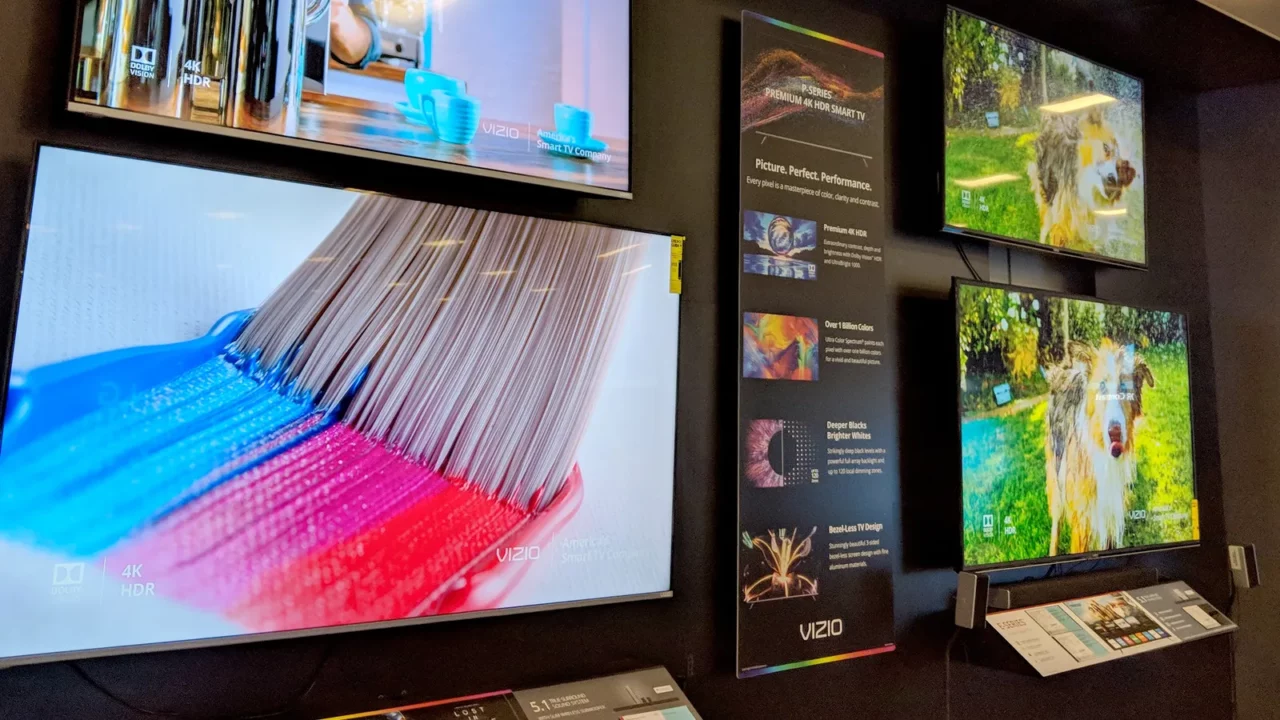
Two LCD panel types dominate the market
Despite many branding terms used in the TV industry, most LCD televisions rely on two fundamental panel designs. These are IPS panels and VA panels, which differ mainly in how their liquid crystals align and move.
Although the distinction sounds technical, it has a direct impact on picture performance. Viewing angles, black levels, and contrast can change noticeably depending on which of these panel types is used inside the television.

IPS panels focus on wider viewing angles
IPS stands for in-plane switching, a design where the liquid crystals rotate parallel to the screen surface. This movement allows light to pass through the panel more evenly across the display.
Because of this structure, IPS panels maintain consistent brightness and color even when viewed from the side. This characteristic makes them well-suited for rooms where viewers watch the TV from different seating positions.
Little‑known fact: Modern IPS panels can deliver very fast response times, some reaching as low as ~1 ms with overdrive, narrowing the gap with TN panels while still keeping strong color performance.

VA panels focus on stronger contrast
VA stands for vertical alignment, which means the liquid crystals stand upright when no electrical voltage is applied. When voltage is introduced, the crystals tilt to allow light to pass through the display.
This design allows VA panels to block more light when needed, producing deeper blacks. The result is a stronger contrast, which can make movies and darker scenes appear richer and more dramatic.

Viewing angles reveal a major difference
One of the clearest differences between IPS and VA panels becomes noticeable when the screen is viewed from different angles. IPS displays tend to keep colors and brightness consistent across a wide viewing range.
VA panels typically perform best when viewed from directly in front of the television. When viewers move toward the sides, the image can lose brightness and color accuracy.

IPS panels work well in shared spaces
Living rooms with wide seating arrangements often benefit from IPS panel televisions. Because the picture remains stable across wider angles, viewers sitting off to the side can still see a clear and balanced image.
This consistency makes IPS displays useful in households where multiple people watch TV together. The viewing experience remains relatively similar for everyone in the room.

VA panels perform well in darker rooms
VA panels are known for their ability to produce deeper blacks compared with most IPS displays. Their stronger light-blocking capability helps create higher contrast between bright and dark areas on screen.
This advantage becomes particularly noticeable in darker environments. Films, streaming series, and HDR content often appear more cinematic when contrast levels are stronger.
Little‑known fact: The vertical alignment of crystals in VA panels means they block more of the backlight in dark areas, reducing light leakage and enhancing perceived depth in shadows.

HDR content benefits from strong contrast
High dynamic range content relies heavily on contrast to produce depth and realism. Bright highlights and dark shadows work together to create images that appear more lifelike and immersive.
Because VA panels generally deliver stronger contrast, many televisions designed for HDR performance rely on this panel type. The deeper blacks help enhance the dramatic effect of HDR scenes.

Color accuracy is often very similar
Despite their structural differences, IPS and VA panels can deliver very similar color accuracy in modern televisions. Advances in display engineering have improved the color capabilities of both technologies.
Many TVs also include additional color-enhancing layers such as quantum dot filters. These additions expand the color range and help produce vibrant images regardless of the panel type used.

Motion performance involves multiple factors
Motion clarity is another aspect viewers consider when choosing a television. While panel design can influence response times, it is only one part of the overall motion performance.
Refresh rate, motion processing algorithms, and features like variable refresh rate also play major roles. These technologies help reduce blur and improve the smoothness of fast-moving scenes.

New display technologies are emerging
The television industry continues to explore new display technologies that could improve picture quality even further. Concepts such as RGB Mini-LED and Micro-LED aim to combine high brightness with excellent contrast.
These technologies are still developing and may take time to become widely affordable. However, they represent the next stage of evolution in modern display systems.
Curious why Apple is swapping LCDs for OLED in iPads and MacBooks? Discover how this shift could transform your viewing experience and boost battery life. Dive deeper to see what’s really changing.
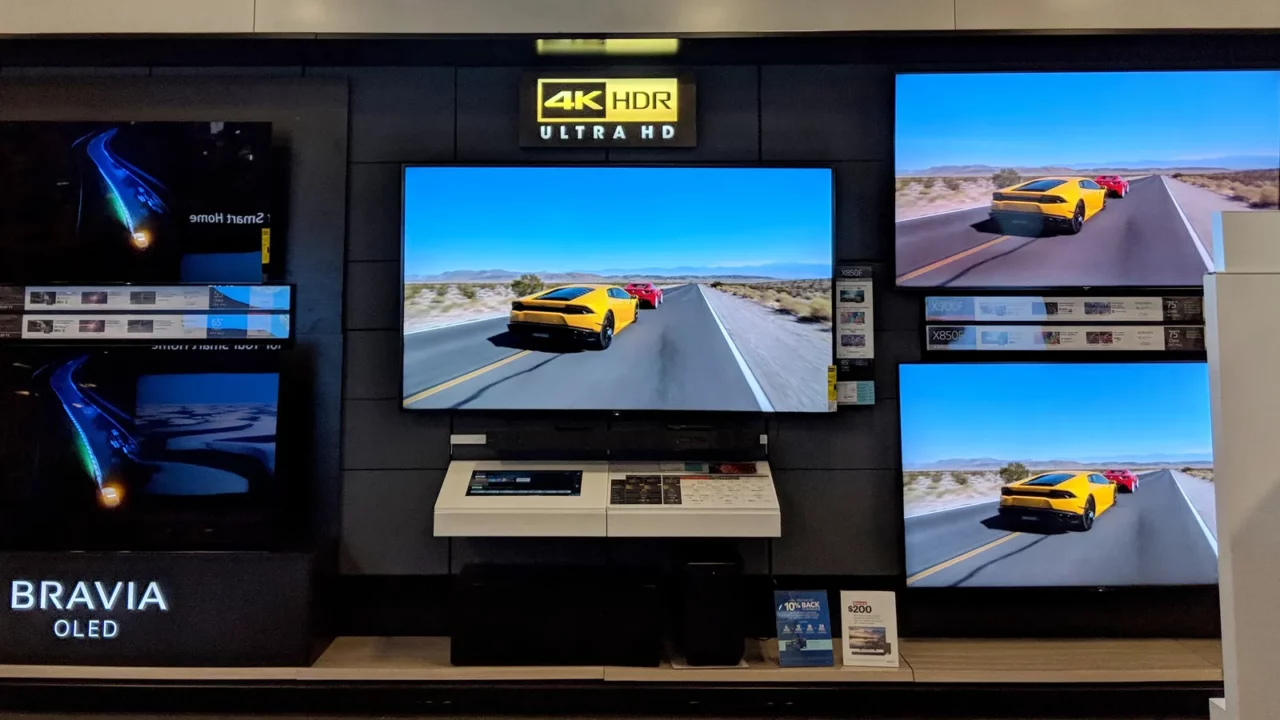
Panel knowledge helps buyers choose wisely
Understanding the difference between IPS and VA panels can help buyers make more informed decisions when selecting a television. Each panel type offers advantages that suit different viewing environments.
IPS panels tend to favor wide viewing angles and consistent brightness. VA panels generally deliver deeper blacks and stronger contrast, which can enhance movie watching in darker rooms.
Wondering why LG is pulling back from 8K TVs despite the hype? Explore how sticking with 4K could actually give you a sharper picture and better value. Dive in to see the surprising reasons.
If you liked this post, give it a thumbs up or leave a comment.
This slideshow was made with AI assistance and human editing
Don’t forget to follow us for more exclusive content right here on MSN.
Read More From This Brand:





Lucky you! This thread is empty,
which means you've got dibs on the first comment.
Go for it!