


Garden pests love damp spaces
Have you ever walked into your garden and found leaves covered in holes overnight? Slugs and snails are among the most common culprits behind this damage in many gardens.
They thrive in damp conditions and often feed while gardeners are asleep. Their appetite for tender plants can quickly become frustrating. Many gardeners spend years searching for effective solutions. Fortunately, some surprisingly simple options may already be in your home.

A bathroom item may help
One unexpected item some gardeners use against slugs and snails is petroleum jelly, also known by the brand name Vaseline. It may help create a slippery barrier on the edges of pots and raised beds, but results are anecdotal rather than guaranteed.
Because slugs and snails must crawl to reach plants in containers, this method can be useful in some settings. The appeal is simple: it is inexpensive and easy to apply. It works best as one part of a wider pest-control plan.

Slugs rely on moisture
Understanding why slugs and snails appear helps explain many control methods. These pests need moisture to survive and move comfortably.
They often hide in cool, damp places during the day before emerging at night. Gardens with heavy shade or frequent watering may attract more activity. Reducing favorable conditions can help discourage them. Prevention is often more effective than treatment.

Protecting vulnerable plants matters
Young seedlings and tender leafy plants are often the first targets. Slugs and snails prefer soft growth that is easy to consume. Damage can appear surprisingly quickly after a rainy evening.
Protecting vulnerable plants early can reduce future problems. Small preventative steps often save entire crops. Early action usually delivers the best results.

Natural methods remain popular
Many gardeners prefer natural pest-control approaches before considering stronger options. Household items, physical barriers, and habitat management are common strategies.
These methods can help reduce pest pressure without relying heavily on chemicals. Natural solutions often fit well into eco-friendly gardening practices. They also encourage observation and prevention. Many gardeners enjoy this hands-on approach.
Little-known fact: A single slug can lay up to 500 eggs a year. This rapid reproduction is one reason slug populations can grow quickly if left unchecked.
Other tactics help too
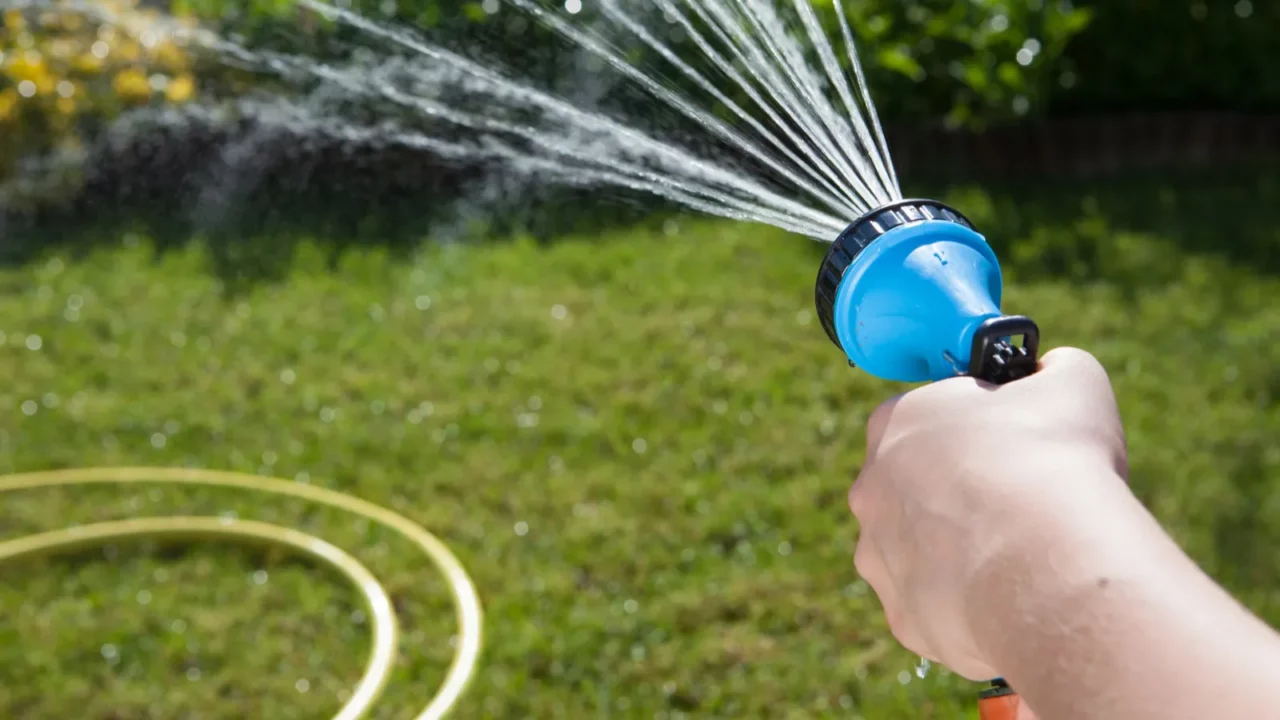
Early-day watering can help because it allows soil surfaces to dry before nightfall. Keeping garden beds tidy can also reduce places where slugs and snails hide.
Fallen leaves, boards, and dense ground cover often provide shelter during the day. Regular monitoring makes it easier to catch problems early. No single home remedy is fully reliable, so combining methods usually works better.

Physical barriers can be useful
Many gardeners combine deterrents with barriers around valuable plants. Copper tape, collars, and raised edges are commonly used examples. However, some barriers that are widely recommended do not always perform well in garden trials.
These obstacles may still help in certain situations, especially when used carefully. Layering different methods often improves success rates. Physical protection adds another level of defense.

Healthy gardens resist damage
Strong, healthy plants are often better able to recover from occasional pest feeding. Good soil, proper watering, and balanced care all contribute to plant resilience. While no garden is completely pest-free, healthy plants tend to cope better.
Prevention starts with overall garden health. Strong plants can withstand minor challenges more effectively. Good gardening practices support every defense strategy.

Simple solutions attract gardeners
One reason household remedies remain popular is their accessibility. Gardeners appreciate solutions that are easy to try without high cost. Everyday items often spark curiosity because they offer a practical starting point.
Whether used alone or alongside other methods, simple approaches can be appealing. Convenience encourages experimentation. Sometimes the easiest ideas gain the most attention.

A practical approach works best
Keeping slugs and snails away often comes down to making the garden less welcoming to them. Petroleum jelly may help around pots and raised beds, alongside proper watering, tidy beds, and physical barriers.
Regular monitoring can help you catch early signs of damage before pests spread. A proactive approach usually delivers the best results.

Watch for feeding patterns
Slug and snail damage often appears as irregular holes in leaves, especially on low-growing plants. In some cases, you may also notice slimy trails near the damage.
Checking plants in the evening or early morning can help you spot activity sooner. Early signs are easier to manage than a full infestation. Paying attention to where damage starts can also show which plants are most at risk.
Little-known fact: Slugs are incredibly flexible. They can stretch up to 20 times their normal length, allowing them to squeeze through tiny openings to reach food that seems out of reach.

Choose less vulnerable plants
Some plants are more likely to be damaged than others. Tender seedlings and soft leafy greens usually attract more feeding than tougher, mature plants.
Gardeners can reduce losses by protecting vulnerable varieties first. Placing the most delicate plants in better-protected spots can also help. Plant choice and placement can make a noticeable difference.

Encourage natural predators
Birds, frogs, toads, hedgehogs, and some beetles can help keep slug and snail numbers lower. A garden that supports wildlife may be less likely to suffer heavy pest pressure over time. Creating a balanced garden habitat can support these helpful visitors.
This does not completely remove pests, but it can reduce their impact. A healthier ecosystem often means fewer problems overall.
Want healthier raised beds with fewer weeds? Try the natural solution gardeners keep coming back to.
Small changes can reduce damage
Keeping slugs and snails away often comes down to making the garden less welcoming to them. Household items like petroleum jelly, along with proper watering, tidy beds, and physical barriers, can all contribute to better protection.
No single solution guarantees complete success, but combining several methods can make a noticeable difference. A proactive approach usually delivers the best results.
If you want fewer bugs and more time outdoors, these 18 pest-proof hacks are worth trying.
What natural method has worked best against slugs and snails in your garden? Tell us in the comments.
This slideshow was made with AI assistance and human editing.
Don’t forget to follow us for more exclusive content right here on MSN.
Read More From This Brand:





