


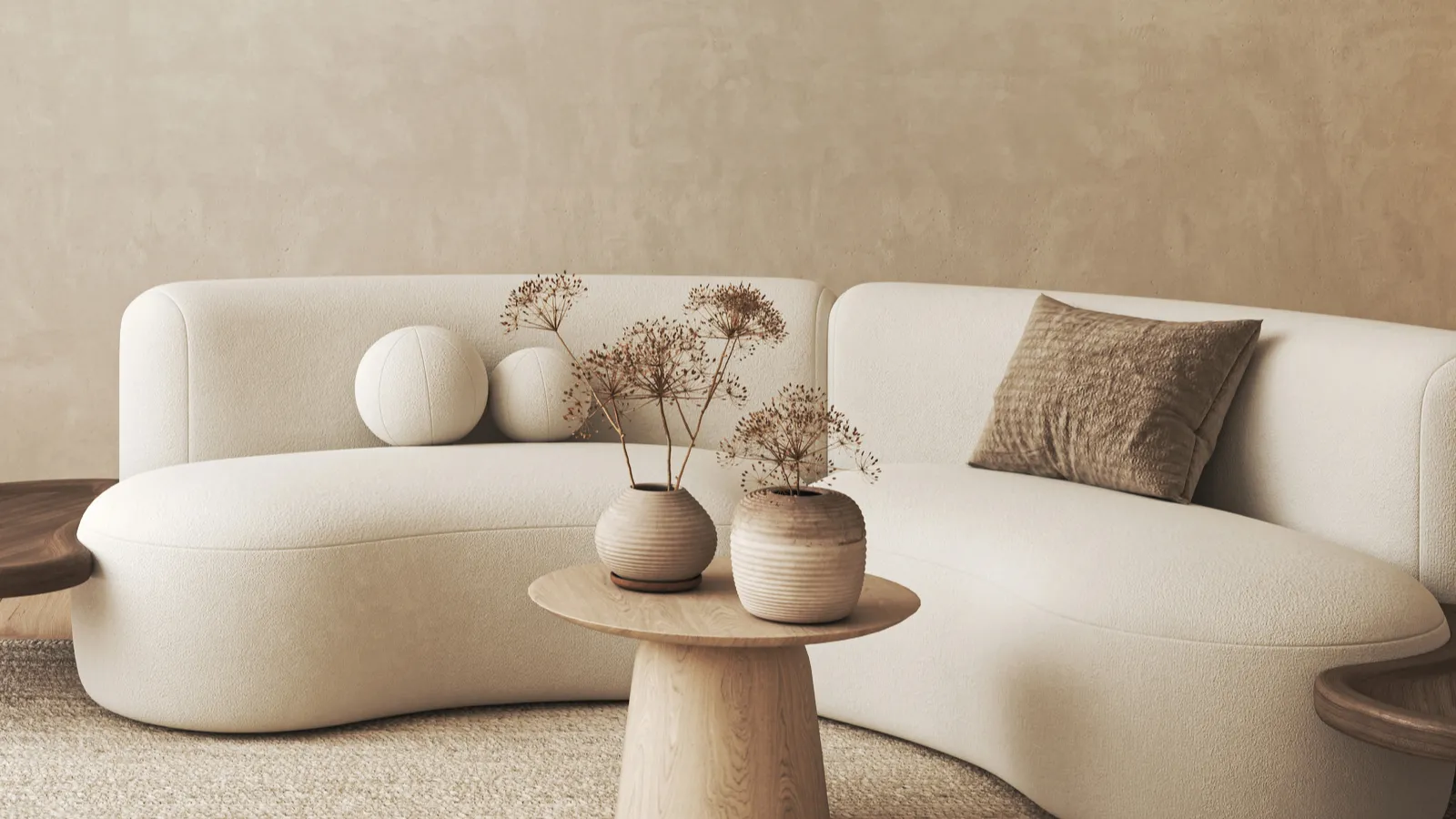

Where rooms shape mood
Interior spaces influence sleep, attention, and emotional pacing through layout, light, and material decisions. These effects accumulate through daily repetition rather than single dramatic changes. The home becomes a constant environmental input system that the mind responds to continuously.
A quiet shift in design thinking treats rooms as behavioral environments instead of static visuals. Every surface contributes to how people regulate focus and rest. Even ordinary configurations begin to shape internal rhythm over time.

Sleep without stillness
A bed positioned directly in line with a doorway often creates subtle alertness during rest. The body registers directional exposure even when the room is quiet. This creates micro levels of vigilance that are rarely noticed consciously.
Some bedrooms feel physically correct but psychologically “open.” The experience changes depending on whether the sleeping position has visual protection or exposure. Rest becomes linked to spatial certainty rather than comfort alone.

Identity fading into aesthetics
Many interiors now prioritize visual consistency over personal accumulation. Objects that once marked time or memory are replaced with neutral styling cues. The room begins to behave like a designed composition instead of a lived archive.
Over time, familiarity weakens when surfaces stop reflecting personal history. The space still functions, but recognition within it becomes less immediate. Emotional anchoring gradually dissolves into aesthetic order.

Light that divides attention
A room with mixed lighting temperatures produces uneven perception across surfaces. One corner may feel warm while another appears clinical. The eye constantly recalibrates as it moves through the space.
This creates a fragmented reading of the environment rather than a unified atmosphere. Even still, interiors feel visually active because illumination never settles into one condition.
Little-known fact: Lighting imbalance can influence perceived stress levels by disrupting visual stability in indoor environments.

Air that carries memory
Some materials release invisible compounds long after installation. These shifts do not alter appearance but gradually affect how enclosed spaces feel over time. The change is atmospheric rather than visual.
Rooms can feel heavier or more neutral depending on cumulative exposure. The effect builds quietly, shaped by ventilation patterns and surface choices rather than decoration.

When surfaces compete
A mix of glossy, matte, rough, and reflective finishes creates overlapping visual signals. Instead of reading as one environment, the eye processes competing surface languages. The room becomes harder to visually compress into a single impression.
Spaces feel less stable when textures operate independently rather than relationally. Visual unity depends less on style and more on surface restraint.

Color that drives pace
Highly saturated walls and furnishings affect how quickly a space feels emotionally active. Strong hues reduce visual pauses by occupying peripheral vision continuously. The environment feels in motion even when nothing changes.
Color becomes less decorative and more behavioral, influencing how long attention stays in one area. Intensity replaces variation, shifting the tempo of the room.

Light that refuses to end
Even low artificial lighting at night keeps visual processing partially engaged. The boundary between rest and activity becomes less defined when brightness never fully disappears.
Rooms without true darkness carry a lingering sense of wakefulness. The absence of contrast between day and night alters how rest is initiated.
Little-known fact: One harsh ceiling light can literally make an entire room feel “emotionally flat.” Lighting changes how your brain reads safety, warmth, and comfort at home.

Scale that misaligns
A sofa that dominates a small room compresses perceived movement paths. Conversely, undersized furniture creates unused visual gaps that feel unresolved. Scale changes how space is interpreted before style is noticed.
Rooms feel coherent when proportions relate consistently across objects. Misalignment creates subtle discomfort without clear identification of the cause.

Clutter that stays in sight
Objects left in open view continue to register mentally even when not in use. The mind tracks their presence as unfinished information within the environment. This creates quite a cognitive load across daily routines.
Spaces feel calmer when visual input is reduced to fewer persistent signals. Storage becomes part of perception rather than just organization.

Entry that resets less
The moment of entering a home can either reset or extend external tension. Without a clear spatial shift, the outside environment continues to influence internal perception.
A direct visual transition into the living space reduces this separation. When no buffer exists, emotional states carry forward more easily into the home.

Kitchen movement friction
Some kitchens interrupt natural motion between cooking zones, storage, and cleaning areas. Small inefficiencies accumulate through repetition rather than single use. Movement begins to feel slightly resisted rather than fluid.
The experience of effort is shaped more by layout sequence than by size. Even compact kitchens can feel smooth when pathways align logically.
Take a look at how small design decisions affect long-term kitchen performance, especially when durability and appliance placement start to influence everyday use.

Nature reduced to absence
Rooms without natural variation often feel visually complete but emotionally flat. The absence of daylight shift, plant irregularity, or organic texture removes subtle unpredictability.
Environments regain depth when small natural inconsistencies reappear within controlled design. These elements introduce rhythm that static surfaces cannot replicate.
Check out how thoughtful styling choices in compact display spaces can reintroduce warmth and personality through layered arrangement techniques used by designers.
Which small detail in a home do you think changes the mood the most without you even noticing? Share your thoughts and let us know how your own space shifts your daily comfort.
This slideshow was made with AI assistance and human editing.
Don’t forget to follow us for more exclusive content right here on MSN.
Read More From This Brand:





