


The quiet barrier beneath
Flower beds often struggle with weeds because exposed soil gives unwanted seeds room to sprout. Mulch is a layer of organic or inorganic material placed across the soil surface. Gardeners have used this approach for decades to reduce weed growth without relying on chemical treatments.
What makes this method notable is how little attention it draws once installed. The surface appears finished and intentional rather than crowded with competing growth. The result is a planting area where flowers remain the primary visual focus throughout the season.

Where sunlight gets blocked
Many weed seeds remain inactive until enough sunlight reaches the soil. A mulch layer changes that equation by limiting the light available at ground level. The space beneath becomes far less welcoming to opportunistic growth.
The visual effect is subtle but significant across an established border. Bare patches become less noticeable because the surface reads as one continuous plane. Designers often appreciate this calmer backdrop because it allows bloom colors to stand out more clearly.

A cleaner seasonal rhythm
Weed-filled beds often create an uneven appearance between planting and peak bloom periods. Mulch helps maintain consistency during those quieter stretches of the gardening calendar. The ground remains visually settled even when flowers are still developing.
A noticeable shift is how maintenance becomes less visible from the outside. Beds tend to look cared for without showing constant intervention. The appeal comes from stability rather than dramatic seasonal changes.
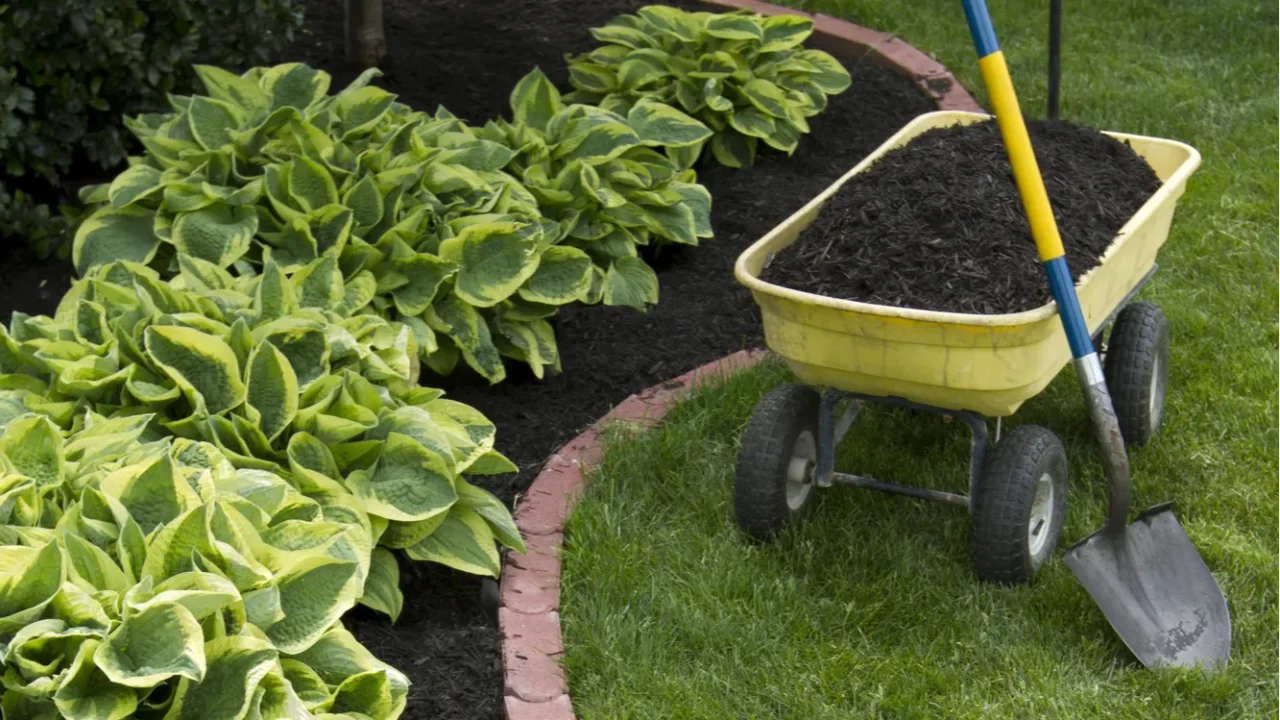
The blanket effect
resh mulch creates a protective layer that separates soil from shifting weather conditions. Rain reaches plant roots while the surface avoids direct impact from erosion and splashing. The bed keeps a more stable visual structure after weather changes.
This surface layer also helps maintain consistency in how the garden looks day to day. Soil underneath stays less exposed to sudden drying or disturbance. The overall bed appears more settled across the season.
Little-known fact: Mulch suppresses weeds while helping soil hold moisture, reducing two common gardening chores at once. That combination helps explain why mulch remains one of the most widely used weed prevention methods.

The moisture connection
A flower bed covered with mulch often changes how water behaves across the landscape. Moisture remains in the soil longer because direct exposure to the sun and wind is reduced. Conditions around plant roots stay more balanced between watering sessions.
The result feels especially noticeable during warmer months. Flowers experience fewer sudden swings between damp and dry conditions. Growth appears steadier because the surrounding environment changes more gradually.

Texture becomes the feature
Mulch introduces texture at the lowest level of the garden composition. Bark pieces, shredded wood, or pine straw create a surface that adds visual interest even when flowers are not blooming. The ground itself becomes part of the design story.
Designers are shifting toward landscapes where every layer contributes something visually. Texture near the soil creates depth without competing for attention. The effect feels grounded rather than decorative.

Why weeds lose ground
Weeds often succeed by claiming open territory before ornamental plants can fill in. Mulch reduces the amount of available space where that process can begin. Fewer opportunities lead to fewer unwanted interruptions within the planting scheme.
The contrast becomes clear when neighboring areas remain uncovered. One surface appears organized, while the other can quickly become crowded with competing growth. The difference comes from controlling conditions rather than removing plants after they emerge.

A lesson from vines
Some of the most aggressive garden invaders spread through fast climbing and dense ground expansion. Flower beds become vulnerable when open soil allows early establishment. Mulch reduces those exposed entry points at the base layer.
Early growth stages often determine how quickly unwanted plants spread across a garden. Once roots spread, removal becomes more disruptive to surrounding plants. The soil surface plays a key role in controlling that early development.
Little-known fact: Invasive vines can spread across trees, shrubs, fences, and flower beds while blocking sunlight from other plants. Dense growth often begins with surprisingly small footholds.

The frame around flowers
Flowers naturally attract attention through color and shape. Mulch acts as a visual frame that separates those blooms from the surrounding ground. Each plant becomes easier to notice because fewer distractions compete nearby.
The appeal comes from contrast rather than abundance. A limited palette at the soil level allows petals and foliage to carry more visual weight. Garden displays often feel more intentional as a result.

What visitors notice
People rarely comment on mulch directly when walking through a garden. Instead, they notice that flower beds appear orderly and established. The surface quietly supports the overall presentation without becoming the main attraction.
This kind of background contribution is common in successful outdoor spaces. The strongest elements receive attention while supporting features remain understated. Mulch fits naturally into that role.

Fewer interruptions below
A weed-free surface changes how the eye moves across a planting area. Attention can travel from one group of flowers to another without frequent visual interruptions. The composition feels more connected from edge to edge.
What makes this interesting is how a simple ground treatment influences perception. The plants themselves may remain unchanged. Yet the overall arrangement appears more cohesive because competing elements are reduced.

The season stays longer
Mulch remains visible long after flowers begin to fade, keeping beds visually structured through shifting seasonal stages. The surface holds its shape even as color gradually disappears from planting areas.
This creates a steady backdrop that reduces the sense of emptiness between blooming cycles. Beds continue to feel composed even when floral intensity drops.
For a closer look at how controlled growing environments shape stronger plant cycles, take a look at greenhouse gardening made easy with these tips and how structure changes plant performance.

Why the trick endures
Mulching continues to be widely used because it supports weed control, soil balance, and surface consistency in one simple layer. The effect stays at ground level while the planting design above remains unchanged.
Its quiet impact helps gardens maintain a cleaner, more unified appearance with minimal intervention. The method works across different plant styles without altering the overall layout.
For another perspective on building layered garden experiences, check out a beginner’s guide to creating a beautifully fragrant garden and how scent-driven planting choices influence design.
Have you ever noticed how the simplest garden solutions often create the biggest visual difference?
This slideshow was made with AI assistance and human editing.
Don’t forget to follow us for more exclusive content right here on MSN.
Read More From This Brand:





