


Tesla’s AI costs accelerate
Tesla is no longer spending like a company focused only on electric vehicles. Its larger push into artificial intelligence, robotaxis, humanoid robots, and custom computing is driving a much heavier bill.
After reporting about $8.53 billion in capital expenditures for 2025, Tesla raised its 2026 capital spending plan to more than $25 billion. That sharp increase shows how expensive the company’s AI future is becoming before those projects generate major revenue.
A bigger future wager
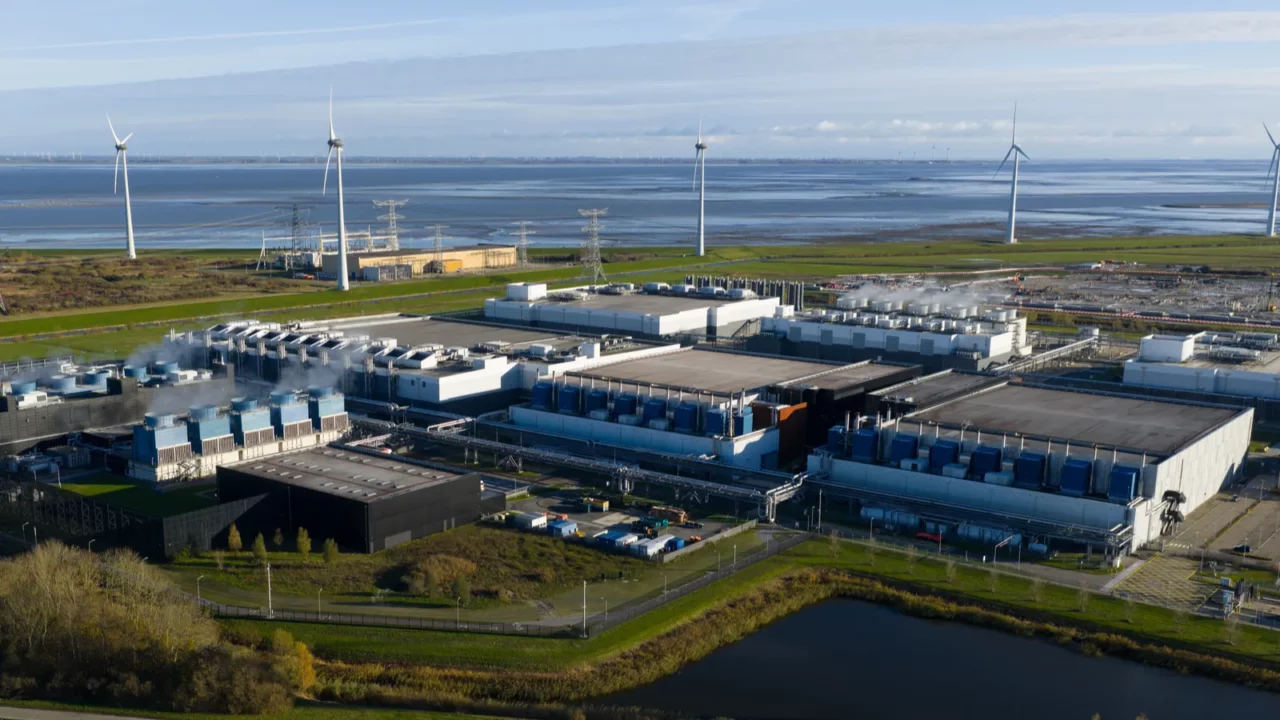
Tesla’s higher spending is not just about expanding vehicle production. The money is also aimed at compute infrastructure, data centers, manufacturing lines, research facilities, and AI-enabled company assets.
In simple terms, Tesla is building the foundation for businesses that may not fully pay off for years. The plan could create enormous value if autonomy and robotics scale, but it also raises the pressure to deliver real results faster for investors watching every dollar closely.

Cash flow pressure builds
Tesla reported $1.44 billion in free cash flow during the first quarter of 2026, giving investors a short-term positive surprise. Still, management warned that the rest of the year may become much tighter. Management expects free cash flow to turn negative for the rest of 2026 as capital spending accelerates.
That warning matters because AI projects can absorb cash quickly, while revenue from robotaxis and Optimus robots is still uncertain and limited during a costly transition period.

Higher costs hit profits
Tesla’s first-quarter 2026 revenue reached $22.4 billion, while operating income came in at $941 million. Those numbers looked solid, but the expense side told a tougher story. Research and development spending rose to $1.946 billion, and total operating expenses reached $3.779 billion.
Tesla said profit was pressured by higher AI spending, other research work, stock-based compensation, and broader selling and administrative costs tied to the company’s aggressive growth plans overall.

Robotaxis require deep pockets
Tesla’s robotaxi plan is one of the biggest reasons its spending is under a microscope. A true autonomous ride-hailing network requires far more than cars. It needs advanced software, safety testing, remote support, charging systems, insurance planning, and local regulatory approvals.
Even with strong demand, launching a dependable service city by city takes time. Meaningful robotaxi revenue is not expected before 2027, and any broader rollout will still depend on local readiness, safety performance, and regulatory conditions.

Optimus adds another burden
Tesla’s Optimus robot gives the company another expensive AI project to fund. The program needs custom actuators, batteries, sensors, training data, robotics software, factory equipment, and strict quality control before production can scale.
Tesla has described Optimus as a major future platform, but it remains in an early stage. Until large numbers of robots are sold, the project mostly adds research and manufacturing costs before investors see a clear payoff.

Compute powers the mission
Self-driving technology depends on massive computing power, and that makes Tesla’s AI spending harder to avoid. The company says a full build of its self-driving neural networks involves 48 networks and about 70,000 GPU hours of training.
That explains the focus on data centers, chips, and training systems. As Tesla improves autonomy, it must keep funding the computing muscle needed to train, test, and update models across real-world driving conditions.

Custom chips raise expenses
Tesla is not only buying computing power from outside suppliers. It is also designing AI inference chips for its vehicles. That strategy could improve efficiency, performance, and long-term control over key technology. However, chip development is expensive and technically demanding.
It requires specialized engineers, testing, power analysis, driver software, silicon validation, and production planning. In the short term, those costs arrive before major savings from future vehicle platforms are realized efficiently.

Dojo exposed execution risks
Tesla’s custom-computing strategy has already shown how difficult AI infrastructure can become. Reports in 2025 said the company disbanded its Dojo team while continuing to move forward with a large supercomputer investment in Buffalo.
That history matters because specialized AI hardware is costly, complex, and vulnerable to sudden shifts in strategy. Each pivot can leave Tesla with sunk costs, delayed benefits, and tougher questions from investors during a critical AI buildout period.

Cars still fund everything
Tesla’s AI future still depends heavily on revenue from vehicle sales. In the first quarter of 2026, automotive revenue remained the company’s largest segment at $16.234 billion. That means vehicle demand, pricing pressure, competition, tariffs, and delivery trends still matter a lot.
Even as Tesla talks more about autonomy and robots, a weaker EV business would make it harder to support its growing AI ambitions over the next several years.

Power needs keep growing
AI infrastructure requires more than chips, software, and factory space. Data centers and training systems also require reliable power, cooling, backup equipment, and grid connections.
Tesla’s energy business could support parts of that expansion, but building and running AI infrastructure still adds major costs. As training and inference needs increase, power planning becomes another important expense tied directly to Tesla’s push into autonomy and robotics over the next several years.

Future upside looks massive
Tesla continues to spend heavily because the potential reward is enormous. If autonomous driving becomes safer, more widely adopted, and commercially successful, Tesla could generate software-like revenue from robotaxis, FSD subscriptions, and fleet services.
If Optimus reaches scale, it could create a robotics business beyond cars. The challenge is timing. The company must fund years of development before those future opportunities can produce meaningful returns at the scale investors expect.
Tesla’s stock swings and mounting competition raise questions about Musk’s vast fortune. See what’s happening with Elon Musk’s Tesla fortune and why some analysts think the risks are growing.

Tesla faces real test
Tesla’s AI ambitions have become a major financial test. The company still has brand strength, a bold roadmap, and access to significant resources, but it also faces rising capital needs, uncertain timelines, and limited investor patience. The issue is no longer just whether Tesla can build advanced AI.
The bigger test is whether it can turn that technology into profitable businesses quickly without severely weakening its core financial position.
Elon Musk is taking on New York’s new regulations targeting X, the platform formerly known as Twitter. Get the full story at Elon Musk fights New York over X rules to see why this battle could redefine free speech online.
If you found this interesting, give us a like and share your thoughts in the comments.
This slideshow was made with AI assistance and human editing.
Don’t forget to follow us for more exclusive content right here on MSN.
Read More From This Brand:





