


More satellites, better internet ahead
Slow internet can make even simple things like video calls or homework frustrating. Now, there’s good news for people in remote areas, as faster and more reliable internet may soon reach them.
SpaceX just got approval to launch 7,500 new Starlink satellites into orbit. This move could double its current network and help users in rural areas enjoy smoother connections, clearer calls, and less buffering while streaming or working online.
What Starlink is really about
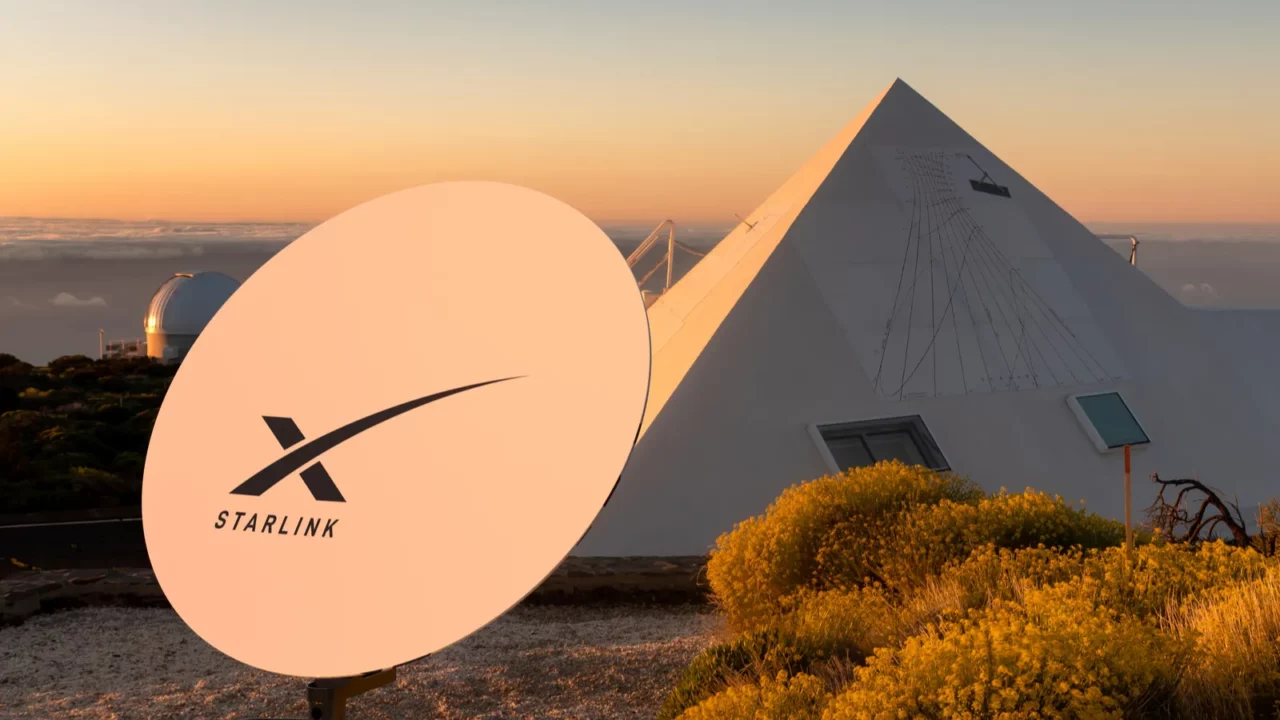
Starlink is a satellite internet system built by SpaceX to deliver broadband where traditional networks can’t. It’s designed for farms, mountain towns, and far-off areas that cable and cell towers don’t easily reach.
Instead of relying on wires underground, Starlink uses satellites orbiting Earth to beam internet directly to user dishes. If you can see the sky, chances are you can connect and get reliable service from almost anywhere.

The big number everyone’s talking about
There are already about 7,500 Starlink Gen2 satellites orbiting Earth, providing internet around the world. Now, the new approval allows SpaceX to double that number by launching 7,500 more advanced satellites into space.
That means 15,000 total satellites will soon form a massive, interconnected web above the planet. The result should be faster speeds, fewer interruptions, and more stable coverage, especially during busy online hours when networks often slow down.

Who gave the green light
The Federal Communications Commission, or FCC, approved SpaceX’s request after carefully reviewing its safety and performance plans. The FCC manages satellite operations in the United States to keep space organized and safe.
Officials said the expansion supports faster, more accessible internet for Americans, especially in rural and remote locations. Their decision shows growing trust in satellite-based internet systems as part of the nation’s future communication network.

Why these next-gen satellites matter
These new Gen2 satellites are far more powerful than earlier models, handling up to 20 times more data. They’re designed to connect faster and cover larger areas with fewer delays and dropouts.
This major upgrade could make streaming movies, joining video meetings, and gaming online smoother than before. The satellites also adapt better to traffic spikes, making them ideal for busy evenings when many users go online.

Lower lag makes a real difference
Lag is that small delay that makes video calls freeze or games feel unresponsive. The Gen2 satellites are built to reduce this delay, giving users a more natural and instant online experience.
By placing satellites in precise, lower orbits, signals reach users faster and more directly. That means fewer awkward pauses during calls, smoother multiplayer gaming, and quicker responses while browsing or streaming high-quality videos.

Crowded skies, serious planning
Earth’s orbit is filling up fast, raising questions about collisions and debris. Each new launch requires planning to avoid adding to the clutter of old satellites and space junk circling the planet.
To lower risks, SpaceX has reduced the altitude of many satellites, ensuring they burn up faster after retirement. This move keeps orbits safer for future missions and helps protect valuable spacecraft like the International Space Station.

Clear deadlines, real pressure
The FCC’s approval comes with strict timelines. SpaceX must launch and activate half of the new satellites by December 2028, ensuring progress is steady and not left to chance or open-ended schedules.
The remaining satellites must be operational by December 2031. These clear deadlines encourage accountability and push SpaceX to move efficiently, balancing rapid innovation with safety and responsible long-term planning in orbit.

What this means for rural America
Rural communities often face poor internet access, making remote work and schooling difficult. Starlink’s growing satellite network directly targets those regions, offering broadband to people living far from fiber or 5G connections.
With stronger signals reaching wide-open areas, rural families could finally enjoy smoother streaming, online classes, and healthcare visits. It’s a big step toward closing the digital divide between cities and small-town America.

Internet beyond the home
Starlink isn’t just for homes; it also powers the internet on the go. RV travelers, ships at sea, and emergency crews all rely on satellite signals when ground networks aren’t available.
As more satellites fill the sky, mobile users can expect steadier internet while moving. That makes a big difference during storms, rescue missions, and long trips through areas that usually have little or no signal.

Phones connecting from anywhere
SpaceX’s partnership with T-Mobile could soon let phones link directly to satellites without cell towers. That means calls and texts could work in places that usually have zero service, like forests or deserts.
This direct-to-cell technology promises to be a breakthrough for travelers and hikers who often lose signal. It’s also a safety boost during emergencies when normal towers fail or power goes out unexpectedly.

When users may feel the change
The upgrades won’t happen overnight, since launching thousands of satellites takes years of testing and adjustment. But users should gradually see better speeds and more reliable service as more Gen2 models go live.
The biggest improvements are expected around 2028, once half the satellites are active. For users in remote regions, that could mean a noticeable shift from slow, spotty service to strong, consistent internet access.
Curious how SpaceX is working behind the scenes to make those speed boosts possible? Take a quick look at how newly approved spectrum could help strengthen your signal even more.

A bigger picture in the sky
The Starlink expansion marks a major moment in how we connect across the globe. Satellite internet is moving from a backup option to a main source for millions of people worldwide.
As these networks grow, access to fast internet may no longer depend on city limits or zip codes. For many, this technology could open doors to education, business, and communication once thought out of reach.
Want to know what happens when big upgrades hit a growing network? Take a moment to see how recent Starlink changes briefly disrupted service and what it means going forward.
Curious how this shift to satellite internet could change everyday life where you live? Share your thoughts in the comments.
This slideshow was made with AI assistance and human editing.
Don’t forget to follow us for more exclusive content right here on MSN.
Read More From This Brand:





Lucky you! This thread is empty,
which means you've got dibs on the first comment.
Go for it!