


OLED TVs remain a luxury choice
OLED TVs are known for deep blacks, vibrant colors, and excellent contrast, making them highly desirable for movie and TV fans. However, premium 65-inch models often cost more than $2,000, which puts them beyond the reach of many buyers.
Even the more budget-friendly OLED models usually cost over $1,000, which limits their appeal for value-conscious buyers. Smart buyers are choosing lower-cost LCD alternatives that deliver strong performance and brightness without the premium price. Read more to see why this cheaper option stands out.

Why some buyers skip OLED TVs
Many buyers avoid OLED because of its high price, susceptibility to burn-in, and limitations in bright rooms. While OLED excels in dark viewing environments, its brightness often lags behind modern LCD alternatives.
In addition, the cost of a full home theater setup with an OLED can strain budgets. Savvy shoppers often prefer to allocate savings toward complementary upgrades like soundbars, streaming devices, or lighting that enhance the overall entertainment experience without paying OLED premiums.

Modern LCDs close the gap
Today’s LCD TVs are far from basic. Mini-LED backlighting, quantum dots, and full-array local dimming enable vivid colors, higher brightness, and improved contrast. These enhancements make many LCDs visually comparable to OLEDs in real-world scenarios.
These advancements allow buyers to enjoy bright-room viewing, reduced glare, and strong HDR performance. Essentially, LCD technology now offers a practical alternative to OLED, delivering high-quality picture performance for a fraction of the price while avoiding OLED’s weaknesses.
Understanding mini-LED technology
Mini-LEDs use thousands of tiny LEDs as the backlight for an LCD panel. This allows precise control over brightness and local dimming zones, reducing halo effects and improving HDR performance significantly.
By lighting only the areas of the screen that need it, mini-LED TVs achieve better black levels and striking highlights. This technology gives an OLED-like experience for vibrant, punchy visuals, making it the smart choice for buyers prioritizing value and performance simultaneously.

Quantum dots enhance color performance
Quantum dot technology is another feature that elevates modern LCD TVs. These microscopic crystals convert light into highly saturated colors, producing richer, more accurate images than conventional LCDs.
Combined with mini-LED backlighting, quantum dots help LCDs rival OLED in color quality. Viewers can enjoy vivid reds, greens, and blues, with lifelike skin tones, without paying OLED prices. Many QLED and QNED models leverage this technology effectively.

Brightness advantage of LCD TVs
OLED panels often struggle in brightly lit rooms, with reflections and limited peak brightness reducing visibility. Mini-LED and other advanced LCDs, on the other hand, can reach five times the brightness of some OLED models.
This makes LCDs more practical for living rooms with sunlight or multiple light sources. Enhanced brightness ensures colors remain vivid, and HDR content looks more dynamic. For buyers in bright environments, this is a significant advantage over OLED.

Better HDR with mini-LED panels
High Dynamic Range (HDR) is where mini-LED shines. Thousands of dimming zones allow precise contrast adjustments in each scene, reducing blooming and preserving detail in both shadows and highlights.
As a result, LCDs equipped with mini-LED backlighting deliver more immersive HDR performance than older direct-lit LCDs and even compete with OLEDs in many scenarios. This ensures movies, sports, and games look impressive without requiring a premium OLED TV.

Wider variety and sizes available
Mini-LED and other LCD alternatives come in a wide range of sizes, from 50 inches to massive 85-inch screens, often at prices OLED cannot match. Consumers have more flexibility in selecting a TV for their living room or media setup.
This variety also allows for better budget allocation. Buyers can pair a larger LCD screen with upgraded audio, lighting, or streaming devices, creating a complete entertainment setup for the cost of a single mid-tier OLED.

Value for money drives smart choices
Many buyers consider the full setup cost rather than just the TV. LCDs, especially mini-LED models, allow significant savings while still offering excellent visual quality, making them an appealing option for value-conscious shoppers.
The money saved can be invested in accessories that enhance the viewing experience, such as a soundbar or streaming device. By prioritizing overall value, buyers can create a richer home theater without sacrificing picture performance.

Avoiding burn-in concerns with LCD
OLED displays, while visually stunning, are susceptible to burn-in from static images over time. This can be a concern for gamers or viewers who watch channels with persistent logos or HUDs.
Mini-LED LCDs eliminate this risk entirely. They can display static images for extended periods without degradation, providing peace of mind for everyday use and making them a safer long-term choice for households with mixed content consumption.

Improved lifespan of LCD panels
OLED TVs often have a shorter usable lifespan than LCD counterparts due to organic material degradation. Brightness and color can diminish after several years of heavy use.
Mini-LED LCDs, using inorganic LEDs, tend to maintain performance over a longer period. This makes them a more durable option for households looking for a TV that remains bright, colorful, and reliable for many years without costly replacements.
Energy efficiency differences
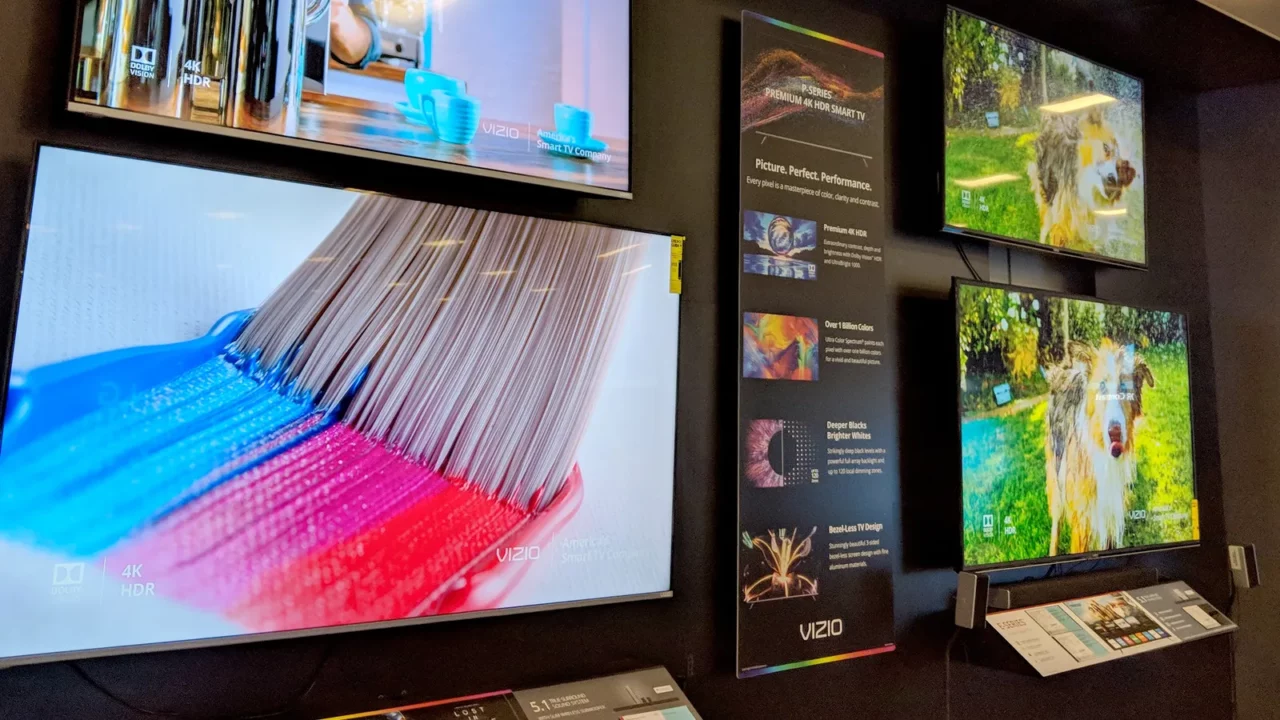
OLED panels can be less energy-efficient when displaying bright scenes, as each pixel emits its own light. Mini-LED LCDs concentrate energy in localized zones, often using less power for bright-room content.
This efficiency can reduce electricity usage over time, particularly for larger screens. For environmentally conscious buyers or those with long viewing hours, modern LCD TVs offer a practical and cost-effective energy solution.
Why are savvy TV buyers skipping OLED this year and looking elsewhere for better value? Dive deeper to uncover the real reasons behind this shift and what it means for your next TV choice.

Smart choice LCD over OLED
While OLED remains visually impressive, mini-LED and other modern LCD technologies deliver comparable brightness, HDR performance, and color vibrancy for a fraction of the price.
Smart buyers prioritize value, durability, and practicality. By choosing a high-quality LCD, they gain a full-featured TV experience, more upgrade flexibility, and long-term peace of mind. Click through to explore the best mini-LED LCD options available today and make an informed decision.
Can LG OLED TV owners use Roku without extra hassle or devices? Explore the available options and learn the best way to watch Roku on LG OLED.
If you liked this post, give it a thumbs up or leave a comment.
This slideshow was made with AI assistance and human editing.
Don’t forget to follow us for more exclusive content right here on MSN.
Read More From This Brand:





Lucky you! This thread is empty,
which means you've got dibs on the first comment.
Go for it!