


The big policy shift in Seattle
Seattle has moved beyond evaluating a pause. On June 9, 2026, the Seattle City Council unanimously adopted an emergency moratorium and policy framework for large data centers amid concerns about electricity demand, utility rates, water use and sustainability.
The debate followed reports that four companies had approached Seattle City Light about five large-scale data centers with a combined maximum demand of 369 MW. Policymakers are now studying how future growth could affect Seattle’s grid, ratepayers and long-term infrastructure needs.

Data centers under pressure
Data centers are facing increased scrutiny because they use large amounts of electricity for servers, cooling systems and continuous operations. In Seattle, proposed large-scale projects raised concerns about utility capacity, water use, rates and public health.
Officials have already acted by approving a temporary moratorium and a policy framework. The goal is to study how future data center growth could be balanced with energy reliability, environmental goals, land use and community impacts.

Tech giants energy concerns
Amazon and Microsoft dominate Seattle’s cloud computing landscape with vast networks of data centers supporting global digital services. Their continuous expansion has contributed significantly to regional economic growth and innovation. However, their increasing energy requirements have become a growing concern for regulators.
Authorities are now carefully evaluating how much additional electrical load the local grid can handle before reaching critical capacity limits and potential operational stress points.

Electricity demand surge rising
Washington State is experiencing a sharp rise in electricity demand fueled by cloud computing, artificial intelligence, and digital transformation across industries. Utility providers are reporting reduced reserve capacity and tighter energy margins than in previous years.
This trend raises concerns about whether current infrastructure upgrades can keep pace with accelerating demand, especially as more hyperscale data centers continue requesting high-capacity power connections throughout the Seattle metropolitan region.

Environmental sustainability concerns rise
Environmental groups are increasingly warning that rapid data center expansion could significantly increase carbon emissions if renewable energy growth fails to keep pace with demand. Even though Washington relies heavily on hydropower, extreme demand periods may still require supplemental fossil fuel energy sources.
This possibility has intensified sustainability discussions, making environmental impact a central issue in evaluating future approvals for large-scale digital infrastructure projects across the region.

Grid capacity limitations exposed
Seattle’s power grid, managed by regional utility providers, was designed long before today’s high-density digital infrastructure requirements emerged. Expanding transmission lines, substations, and generation capacity involves complex planning and long construction timelines.
Regulators are now questioning whether approving additional data centers too quickly could overwhelm the system, suggesting that the development pace may need to slow until infrastructure improvements can keep pace with modern technological demands.
Fun fact: The five data centers under discussion in Seattle could have drawn a staggering 369 MW of power, enough to make city leaders hit the brakes on Big Tech’s AI expansion.

Economic growth at stake
Despite rising concerns, data centers remain a powerful driver of economic growth in Seattle, creating construction jobs, long-term technical employment, and significant tax revenue for the region. The city has become a major hub for global cloud computing infrastructure supporting digital economies worldwide.
Policymakers now face the challenge of ensuring that slowing development does not weaken the region’s competitive position in the fast-growing artificial intelligence industry.
Little-known fact: Public backlash grew so strong that some developers reportedly withdrew Seattle data center plans a moratorium was even approved.

Artificial intelligence demand spike
The rapid expansion of artificial intelligence technologies has dramatically increased computing workloads, requiring far more processing power and energy consumption than traditional systems. Companies like Microsoft are scaling AI infrastructure at unprecedented levels to support advanced models and services.
This surge has accelerated electricity demand beyond earlier projections, intensifying debates over whether temporary restrictions on new data center approvals may be necessary to maintain grid stability.
Utilities warn of overload risk
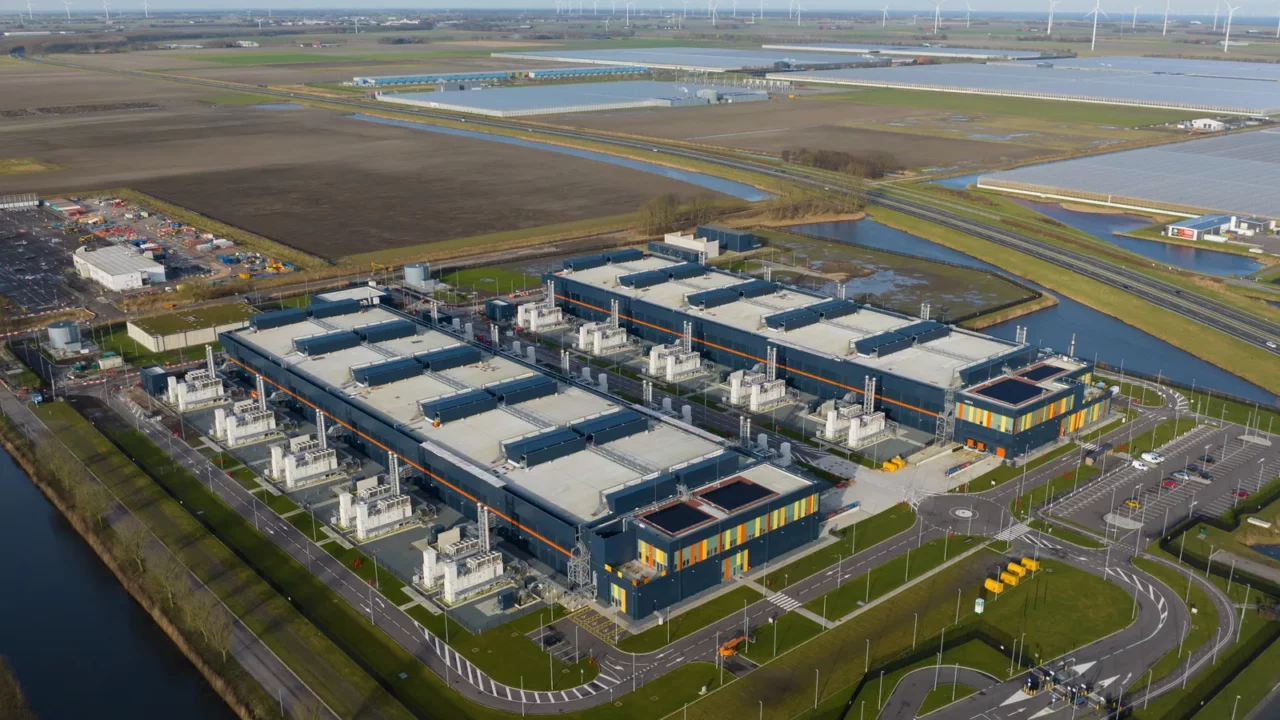
Local utility providers have expressed growing concern over the speed at which new data center projects are being proposed and approved. They warn that current demand forecasts may soon exceed available energy supply unless major infrastructure investments are accelerated.
Coordinating effectively between technology companies and energy providers has become essential to prevent potential overload, particularly during peak electricity usage across the region.

Industry response and pushback
Technology companies are expected to resist strict development limitations, highlighting their contributions to innovation, job creation, and economic expansion. Many firms already invest heavily in renewable energy and pursue carbon neutrality targets.
However, critics argue that sustainability commitments alone do not immediately resolve short-term electricity constraints, especially as demand increases rapidly due to the expansion of artificial intelligence and cloud computing.
Community concerns growing louder
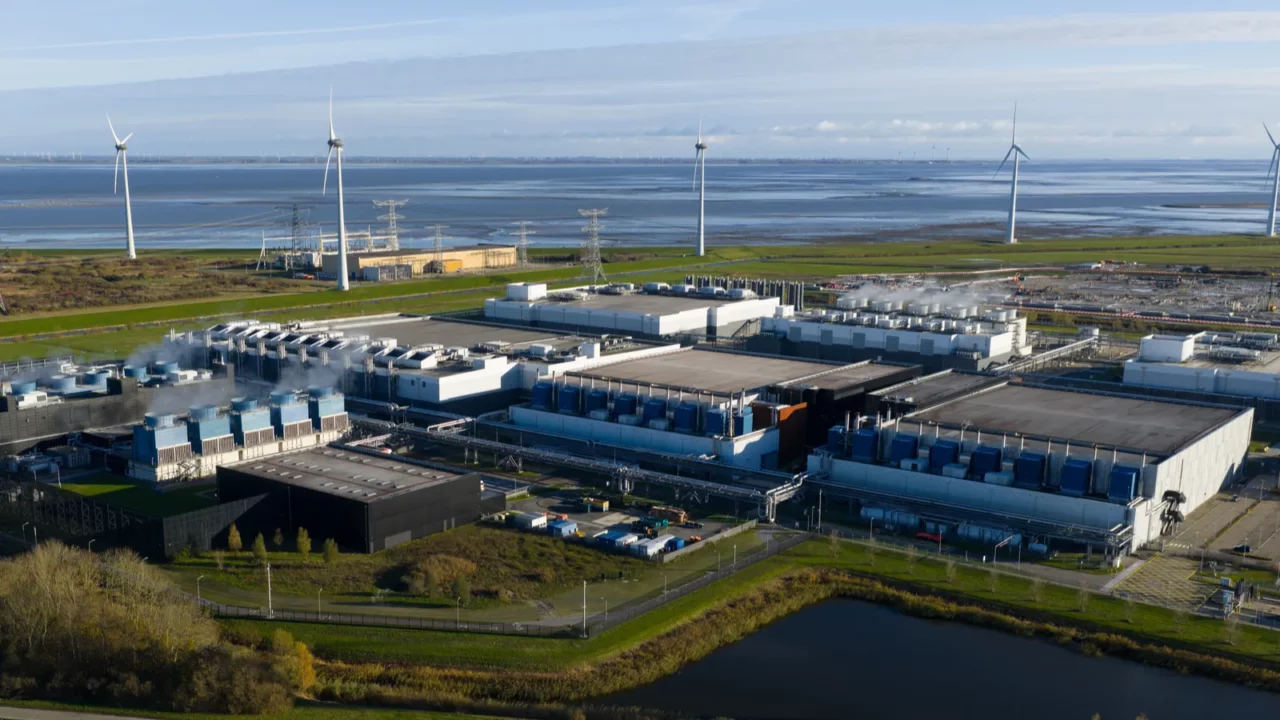
Local residents have raised increasing concerns about the environmental and social impact of large data center developments. Issues such as land usage, noise generation, and visual footprint are becoming more prominent in public discussions.
Additionally, fears about rising electricity prices due to growing demand are influencing community opinion, which is now playing a stronger role in shaping policy decisions on future infrastructure expansion.
Nationwide ripple effects possible
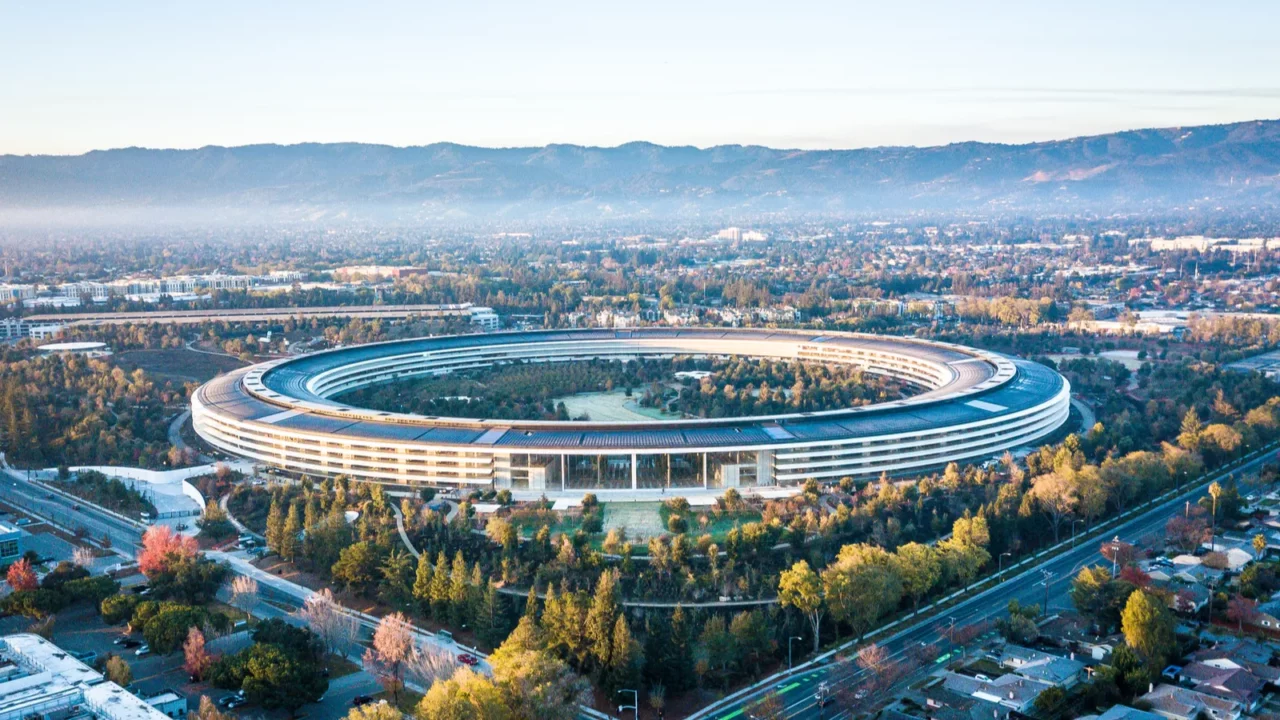
Seattle’s decision-making process could influence other major U.S. technology hubs such as Northern Virginia and Silicon Valley, where data center expansion is also accelerating rapidly. If a pause is implemented, it may establish a broader precedent for balancing technological growth with energy limitations.
This could reshape national discussions on how to sustainably manage infrastructure growth amid rising demand driven by artificial intelligence.
Want to see why communities are pushing back against Big Tech’s growing data center footprint? Take a closer look at the trust concerns, power demands, and local battles shaping the future of AI infrastructure.

Future tech power balance
The situation highlights a growing challenge of aligning technological progress with real-world infrastructure limitations. Seattle’s potential pause reflects a shift toward more cautious, strategic planning.
The future will likely depend on faster grid modernization, smarter energy management systems, and stronger collaboration between governments and technology companies to ensure sustainable growth of the digital economy without overloading essential resources.
Want to see the hidden environmental costs powering the AI boom? Take a closer look at how massive data centers are reshaping energy use, water resources, and local communities.
Do you think tech giants should face stricter limits on energy consumption, or is this the price of technological progress? Let us know below.
This slideshow was made with AI assistance and human editing.
Don’t forget to follow us for more exclusive content right here on MSN.
Read More From This Brand:





