


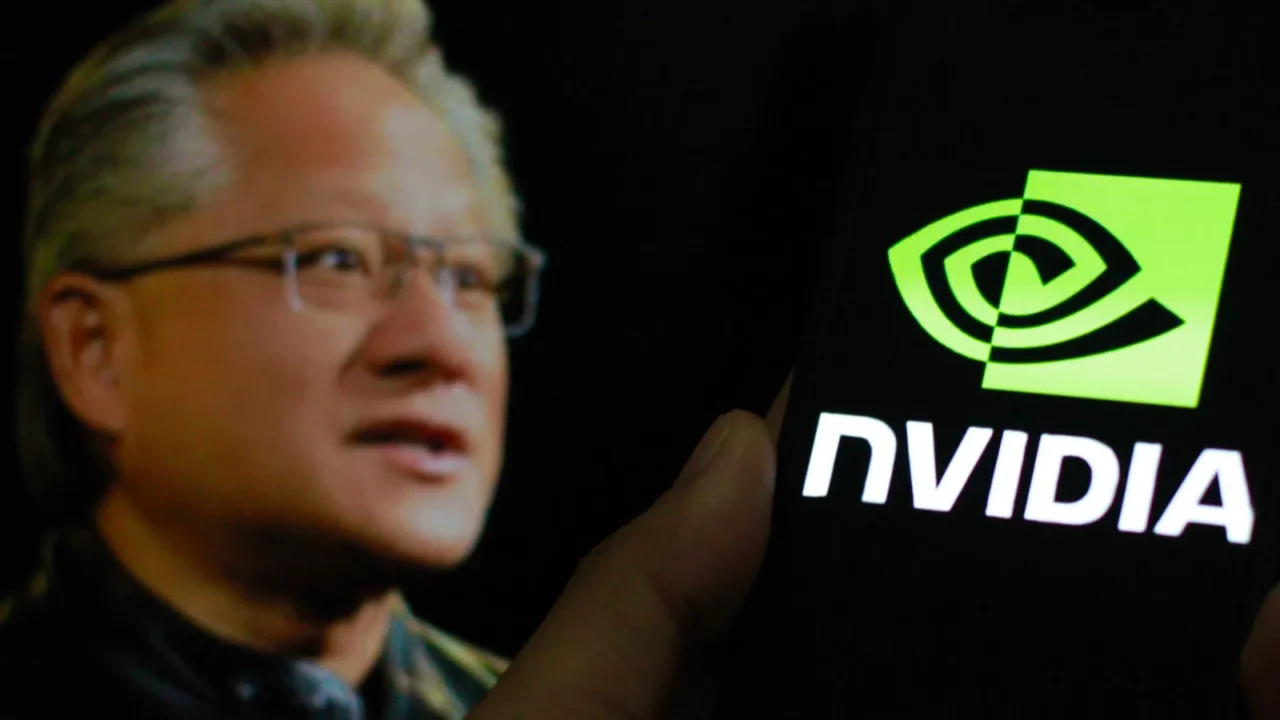
NVIDIA steps toward Linux gaming
NVIDIA is taking a new interest in Linux gaming, and it is catching attention across the PC world. Recent job listings show the company searching for engineers who can improve how its graphics cards work on Linux systems.
These roles focus on boosting driver quality and strengthening game performance. For players who have struggled with Linux setups in the past, this signals a shift that could make gaming on Linux far more welcoming and reliable soon.

NVIDIA GeForce looks to expand options
For years, most NVIDIA GeForce users stuck with Windows because it offered the smoothest gaming experience. Now, NVIDIA seems ready to help Linux close that gap by improving performance for a wider range of modern games.
The company’s new engineering roles specifically mention better Vulkan support and Proton improvements. These changes could allow GeForce owners to enjoy more consistent gameplay on Linux, giving people real flexibility when choosing how they want to game.

NVIDIA’s driver overhaul gains momentum
NVIDIA’s Linux drivers have improved, but they once lagged behind Windows versions in stability and performance. That history pushed many gamers to avoid Linux entirely, especially when using high-end GeForce cards.
By seeking engineers dedicated to both consumer and professional Linux drivers, NVIDIA signals a deeper investment. This effort could help Linux gaming move from a niche choice to a dependable alternative for people who want strong performance without relying on Windows.

Linux grows as a gaming platform
Linux has changed a lot over the years, gaining easier installers and friendlier desktops that appeal to more than developers. Gamers now see it as a real choice, especially with devices built on Linux gaining popularity.
Better driver support from NVIDIA could remove common hurdles people face when they switch from Windows. When hardware companies care about Linux, everyday users benefit from smoother setup, stronger performance, and fewer unpredictable problems during gameplay sessions.
Fun fact: The idea for NVIDIA was sketched out over coffee at a Denny’s restaurant back in 1993.

Proton support becomes a priority
Proton helps Windows games run on Linux by translating instructions so they work smoothly on new systems. It has opened a huge library of games to people who never planned to adopt Linux before.
NVIDIA’s new focus on improving Proton performance could reduce stuttering, improve frame rates, and cut down on bugs. These updates give players confidence that their favorite titles will perform well when they move to a Linux-based setup.

Microsoft feels pressure in gaming
Windows has long been the default choice for PC gaming because it supports the largest game library. When Linux becomes more capable, even small shifts in player interest can influence the market.
NVIDIA’s changes could encourage more gamers to experiment with Linux, which might push Microsoft to refine its gaming features. Competition tends to benefit players by driving better support, clearer choices, and more reliable technology over time.
Little-known fact: NVIDIA GPUs helped kick off modern AI research when two GTX 580 cards powered a neural network that changed the field forever.

Closing the driver performance gap
For a long time, NVIDIA’s Linux drivers were seen as a weak point, causing gamers to worry about performance drops. Recent years have shown progress, but improvement was still needed to reach Windows-level stability.
New engineering positions focus on polishing the overall driver experience and solving long-standing issues. This step can help Linux users trust that their NVIDIA cards will run modern games without the hiccups that once held them back.

Steam Deck sparks new interest
The Steam Deck proved that Linux can power a successful handheld gaming device. Valve has shipped millions of Steam Deck units (estimates around 3.7–4 million), demonstrating strong commercial demand for a Linux-based handheld.
This success likely encouraged NVIDIA to take Linux gaming more seriously. If handheld and desktop Linux gaming continue to grow, companies will want optimized drivers so they can support new devices and meet rising expectations from players everywhere.

Cloud gaming may drive change
NVIDIA’s cloud service, GeForce Now, streams games to people who do not own powerful PCs. Running these servers on Linux could cut costs and avoid licensing fees that come with Windows-based setups.
If NVIDIA moves more of its cloud systems to Linux, it will need stronger driver support. Gamers using Linux at home still benefit from this work, even if cloud expansion is one of the main reasons behind the improvements.

Better performance for everyday users
Players who stay on Windows will not notice instant changes, but long-term improvements in Linux support give everyone more choices. A healthier gaming ecosystem helps keep technology moving forward.
People curious about Linux may feel more confident trying it when NVIDIA strengthens its drivers. Reduced setup issues and improved game support could make switching less intimidating for players who want something different from traditional Windows gaming.

Vulkan brings new advantages
Vulkan is a graphics tool that works across multiple platforms, unlike older systems tied mainly to Windows. It gives developers more control and delivers better performance on modern hardware.
NVIDIA improving Vulkan on Linux means more games can run efficiently without relying on older methods. This investment makes Linux a stronger long-term option and encourages studios to consider broader platform support when building new titles.

Small changes create big momentum
Big shifts in gaming rarely happen all at once, but small steps can build meaningful momentum. NVIDIA adding Linux-focused engineering roles is one of those small steps with long term potential.
These moves suggest that companies now view Linux as a platform worth supporting, not a side project. That mindset helps bring better stability, ongoing updates, and real attention to performance for everyday gamers.
As NVIDIA doubles down on Linux gaming, AMD is fighting back with serious hardware upgrades of its own. Check out how AMD targets NVIDIA with powerful EPYC and Instinct upgrades and see what this escalating arms race could mean for your next PC build.

A possible new era for PC players
PC gaming has always been about choice, from hardware to operating systems. Nvidia’s renewed interest in Linux could open more doors for people who want flexible and reliable ways to play.
As Linux grows and Windows evolves, players may gain more control over how they game. NVIDIA’s efforts show that the future of PC gaming might include a wider mix of platforms working well for more people.
As NVIDIA expands gaming choices, they’re also pouring resources into the AI revolution. Read why NVIDIA is betting big on promising AI startups and find out how these investments could reshape computing far beyond just playing games.
Do you see yourself trying Linux for gaming soon? Share your thoughts below and drop a like if this shift excites you.
This slideshow was made with AI assistance and human editing.
Don’t forget to follow us for more exclusive content right here on MSN.
Read More From This Brand:





Lucky you! This thread is empty,
which means you've got dibs on the first comment.
Go for it!