


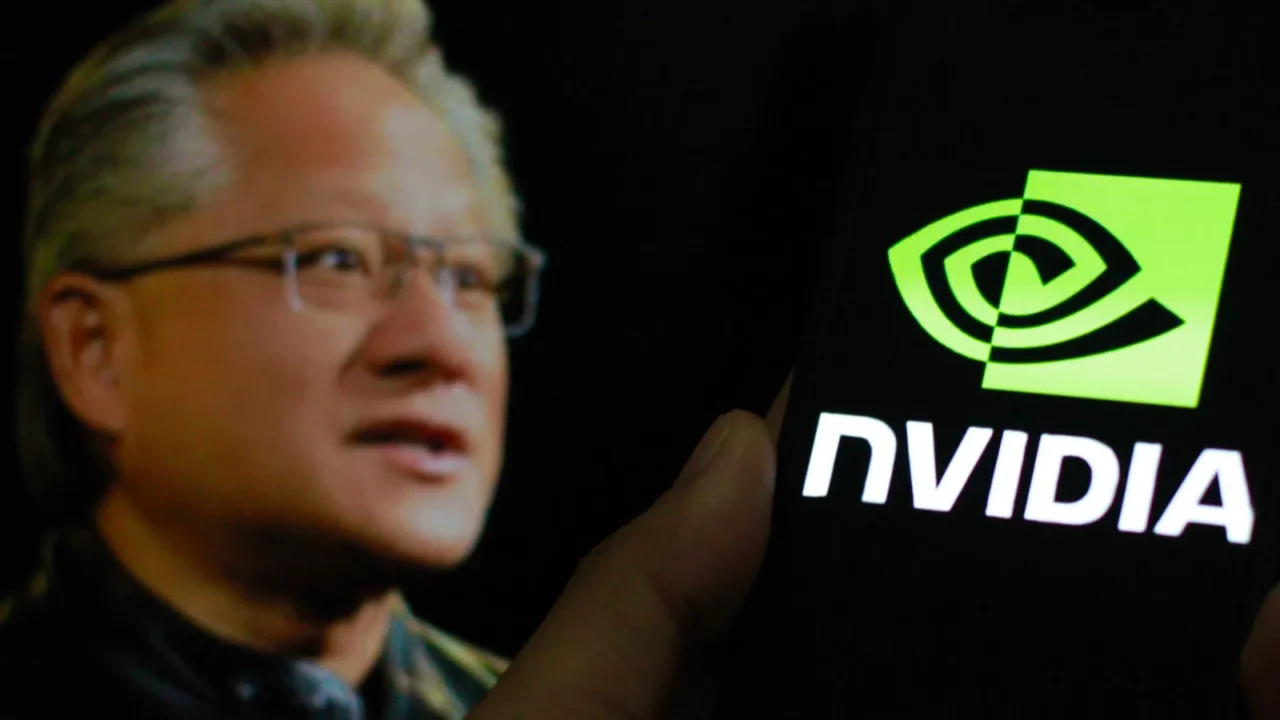
NVIDIA AI job debate explained
Ever wonder if a robot could take your job one day? Jensen Huang, CEO of Nvidia, says that fear may miss the bigger picture, and his view could change how people see work.
Speaking at Adobe Summit 2026, he explained that artificial intelligence is not about replacing entire careers, but reshaping how jobs function, especially when it comes to purpose, value, and long-term impact.

Why early AI fears spread quickly
Years ago, many experts believed AI would replace entire professions. The idea of machines performing human tasks created both excitement and concern, especially in technical and medical fields where precision and expertise are critical.
Radiologists were among the first to worry, as early AI tools began analyzing scans faster and sometimes more accurately, raising serious concerns about whether human professionals would still be needed in the future.

Radiology saw unexpected growth
Instead of shrinking, the radiology field expanded. Even as AI tools improved, the number of radiologists did not drop, showing that technology did not eliminate the need for trained professionals in this important area.
Hospitals began using AI to process more scans, which increased patient access to imaging services, leading to higher demand for skilled doctors who could interpret results and guide treatment decisions effectively.

Understanding tasks versus purpose
Huang highlights a key difference in how jobs work. Tasks are the daily duties people perform, while purpose reflects the broader reason the job exists and the impact it has on others.
Artificial intelligence can take over routine tasks, but it cannot fully replace purpose, which often involves judgment, communication, and decision-making that depend on human understanding and experience in real-world situations.
Fact: Long before modern AI, ancient myths imagined lifelike artificial beings, including Greek stories about Talos, Pandora, and creations linked to Hephaestus.

What AI replaces in daily work
AI is especially good at handling repetitive activities. Tasks like sorting information, analyzing large data sets, or performing routine checks can often be completed faster and more consistently by machines.
When these tasks are automated, workers gain more time to focus on higher-value activities, which can make their roles more engaging and allow them to contribute in more meaningful and impactful ways.

How efficiency drives more demand
When processes become faster and cheaper, demand often increases. In healthcare, quicker scan analysis means more patients can receive timely imaging, which expands access and improves overall service availability across systems.
As a result, the need for professionals grows, because more cases must be reviewed and explained, showing how efficiency can actually create more work instead of reducing the number of jobs available.
Fun Fact: The first AI chatbot, ELIZA, was created in 1966 and could mimic conversation by rephrasing your words.

Human judgment still matters
Even with advanced technology, human judgment remains essential. Professionals rely on experience, context, and communication skills to make decisions that go beyond what algorithms can provide on their own.
Fields like healthcare and education depend heavily on trust and understanding, which are difficult for machines to replicate, keeping human involvement at the center of many important roles.

Some roles face real risks
Not every job will benefit equally from AI. Roles that rely heavily on repetitive or predictable tasks are more likely to change significantly or decline as automation becomes more capable over time.
Workers in these areas may need to adapt by learning new skills or shifting to roles that require creativity, problem-solving, or interpersonal interaction, which are harder for machines to replace.

Jobs are evolving, not vanishing
AI is changing how people think about work. Instead of focusing only on completing tasks, more attention is being placed on the broader value and outcomes that roles provide within organizations and communities.
This shift encourages workers to develop skills that add unique value, helping them stay relevant as industries evolve and technology continues to reshape traditional job structures.

AI boosts productivity for workers
Artificial intelligence can act like a powerful assistant. It helps people complete tasks faster, from analyzing data to drafting reports, which improves overall efficiency in many types of work environments today.
With routine work handled by AI, employees can spend more time on strategy, creativity, and solving complex problems, leading to stronger results and more innovation across industries and professions.

Learning becomes more important now
As jobs change, learning new skills is becoming essential. Workers who stay flexible and continue building knowledge are better prepared to adapt to shifting demands in the workplace and remain competitive.
Many AI tools are designed to be user-friendly, making it easier for people to learn and apply new technologies without needing advanced technical backgrounds, which opens opportunities for a wider range of workers.

Why Jensen Huang stays confident
Huang believes AI removes limitations rather than simply eliminating jobs. By taking over routine tasks, AI can allow people to focus on areas where they create more value and make a bigger impact in their roles.
He also cautions against fear-based thinking, suggesting that it can slow progress and prevent people from recognizing how technology can improve both productivity and quality of work across industries.
That shift is already showing up in business tools built for real work. See how Nvidia’s NemoClaw could reshape AI agents in the workplace.

What AI changes for your future
The future of work will look different, but it is not disappearing. Jobs will continue to evolve, and people who focus on purpose and adaptability will be better positioned to succeed over time.
Instead of worrying about replacement, workers can explore how AI tools can support their goals, improve efficiency, and help them find more meaningful ways to contribute in their careers.
The right AI tools can help teams move faster, but not every shortcut is risk-free. Find out why AI browsers may put businesses in a tough spot.
How do you see AI shaping your own career path? Share your thoughts in the comments, and let’s get the conversation going.
This slideshow was made with AI assistance and human editing.
Don’t forget to follow us for more exclusive content right here on MSN.
Read More From This Brand:





