


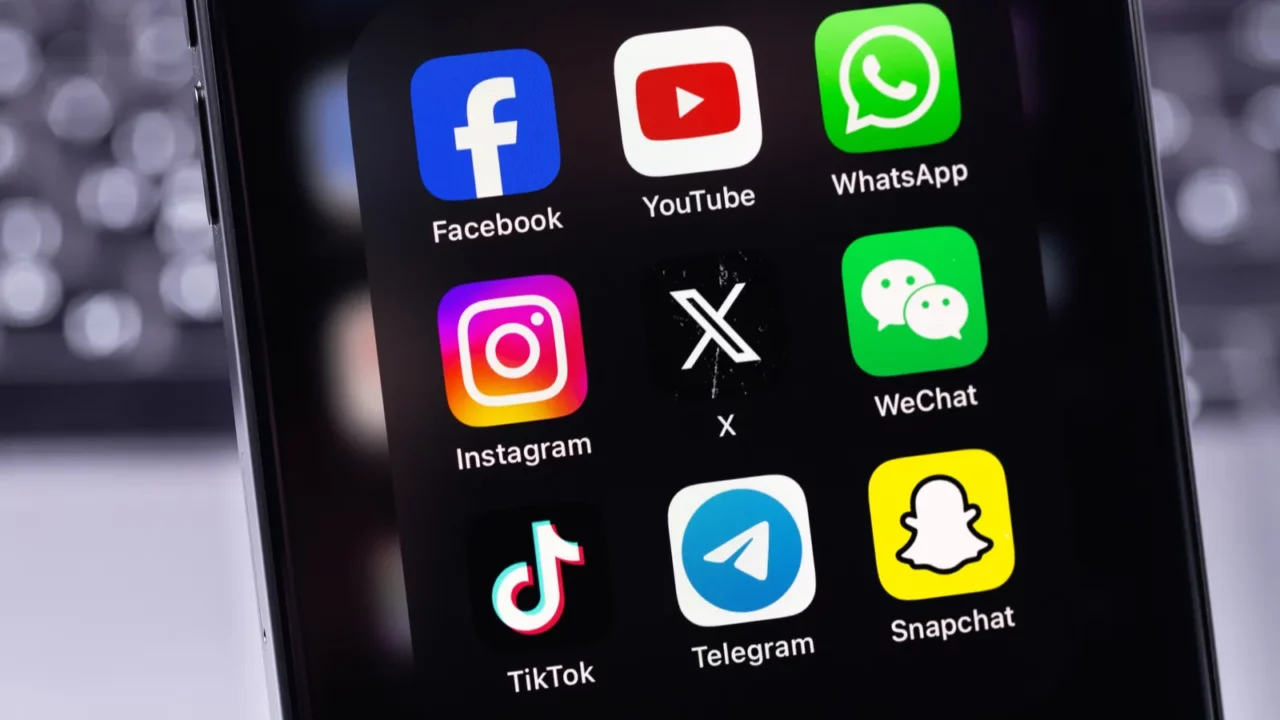
Social media shapes mood
Social media is now woven into the daily lives of millions of Americans, especially teens and young adults. Studies often find a connection between heavy platform use and higher levels of anxiety or depression, but the link is complicated.
For some people, social media may worsen emotional stress. For others, it may simply reveal struggles that were already present but harder to see offline.

Experts raise new alarms
Health experts are paying closer attention to how constant screen time, notifications, and online pressure affect emotional well-being. Teens are a major concern because their brains, identities, and social lives are still developing.
Still, experts warn that social media should not be blamed for every mental health problem. It may not cause depression alone, but it can deepen sadness, stress, or insecurity.

Comparison quietly hurts confidence
One of the strongest emotional traps online is comparison. Users often see polished photos, big achievements, perfect relationships, and exciting trips, while rarely seeing the struggles behind them.
This can make ordinary life feel disappointing. Over time, repeated exposure to idealized posts may erode confidence, especially among younger users who may start to believe they are behind, less successful, or not attractive enough.

Highlight reels hide reality
Most social media feeds show the best parts of people’s lives, not the full picture. A filtered selfie, vacation post, or career update can make someone else’s life look effortless.
That can fuel loneliness and dissatisfaction. At the same time, more users are now sharing honest stories about setbacks, burnout, and mental health, which may help others feel less alone.

Online approval creates pressure
Likes, comments, and shares can feel rewarding, but they can also become stressful. When a post gets little attention, users may feel ignored, judged, or rejected. This feedback loop can affect self-worth, especially for teens and young adults.
Over time, people may begin posting for approval instead of genuine connection, making social media feel less like expression and more like performance.
Little-known fact: According to the U.S. Surgeon General, up to 95% of young people ages 13 to 17 report using at least one social media platform. That makes teen social media use nearly universal and a major public health concern, even though researchers still do not have a complete picture of its long-term mental health effects.

Cyberbullying leaves deep marks
Online cruelty can seriously harm emotional health because it can follow someone everywhere. Cyberbullying does not end when school, work, or social events are over. Hurtful comments, rumors, or embarrassing posts can spread quickly and stay visible.
Victims may experience anxiety, sadness, shame, or lower self-esteem. Because digital attacks can feel constant, they may be harder to escape than face-to-face bullying.

Late scrolling steals sleep
Late-night scrolling may seem harmless, but it can quietly affect mental health. Bright screens, emotional content, and constant updates can make it harder to fall asleep or stay asleep.
Poor sleep is closely tied to anxiety, depression, irritability, and trouble focusing. When social media cuts into rest night after night, it may worsen emotional struggles even when the content itself is not harmful.

Online support can help
Social media is not only a source of stress. It can also help people find support, friendship, and understanding, especially when they feel isolated offline. Online communities can connect people dealing with grief, illness, anxiety, or major life changes.
Mental health advocates also use platforms to share resources and reduce stigma. Used carefully, social media can become a helpful bridge instead of a burden.

Algorithms feed emotions
Many social media algorithms are designed to prioritize engagement, which can mean users see more content that triggers strong reactions. Emotional, shocking, or upsetting posts may keep appearing when they attract attention or interaction.
Over time, this can shape what users believe is normal or common. If someone is already struggling, repeated exposure to negative content may reinforce feelings of sadness, fear, or hopelessness rather than helping them move forward.

Teens face added pressure
Teenagers often feel social media more deeply because identity, confidence, and friendships are still developing. Online popularity, peer approval, body image, and digital reputation can carry huge emotional weight.
A single comment or post may feel bigger than it would to an adult. When online pressure mixes with school stress, family issues, or loneliness, social media can become another layer of emotional strain.

Parents can guide use
Parents and caregivers can make a major difference by talking openly about social media rather than just banning it. Young users need help understanding filters, unrealistic posts, privacy risks, and online pressure.
Clear limits can help, but supportive conversations matter more. When families encourage balance, critical thinking, sleep, and offline activities, teens may be better protected from the emotional downsides of digital life.
Curious what this kind of AI progress could mean for your own future, especially at work? Take a quick look at what’s coming next and how it might affect your job.

Balance tells the story
Social media is not fully good or fully bad. Its impact depends on the person, the content, the time spent, and the reason for using it. For some users, it increases sadness, comparison, or stress.
For others, it offers connection and support. The key is balance: healthier use can reveal struggles without letting platforms quietly make them worse.
Want to know one of the quieter tricks hackers use? Check out how hidden malware spreads in ways most people never notice.
If you found this interesting, give us a like and share your thoughts in the comments.
This slideshow was made with AI assistance and human editing.
Don’t forget to follow us for more exclusive content on MSN.
Read More From This Brand:





