


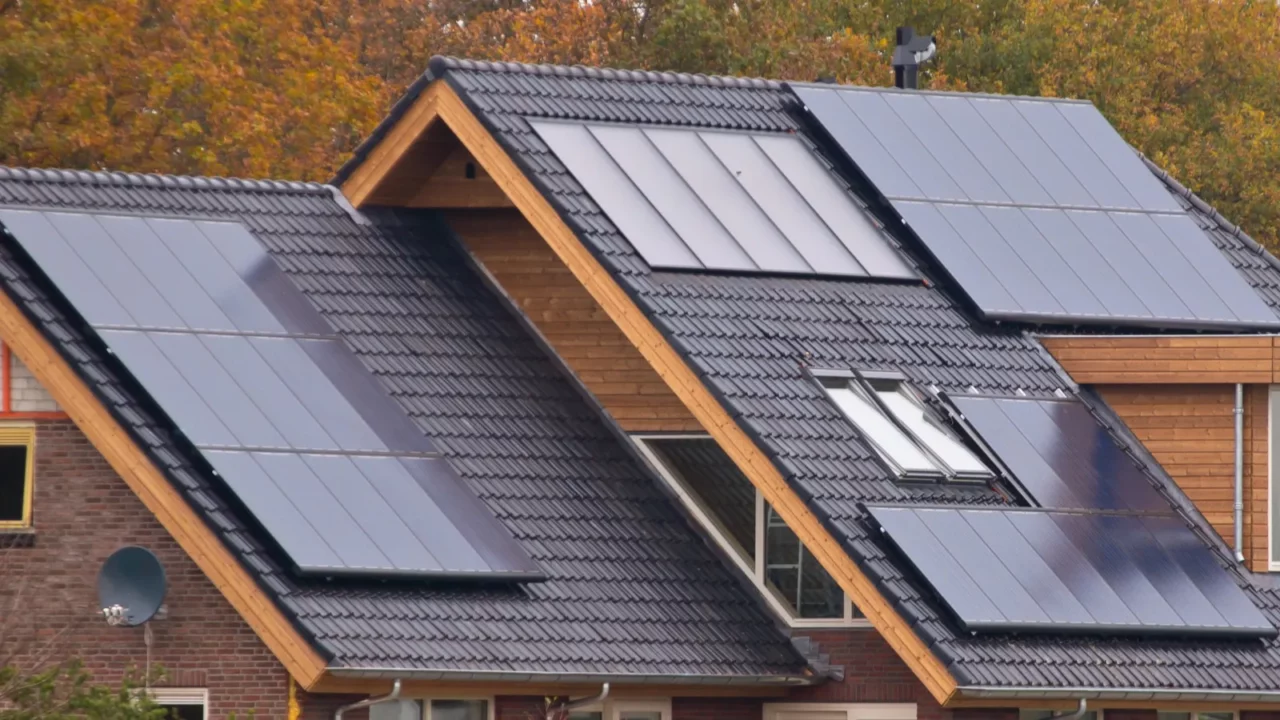
How do transparent solar cells capture light?
Standard solar panels absorb the visible light spectrum, which makes them opaque. Transparent solar cells are designed to let visible light pass through while capturing other wavelengths instead.
The coatings used in these cells are engineered to absorb ultraviolet and infrared light specifically. This allows the cell to generate electricity while remaining visually transparent to the human eye.
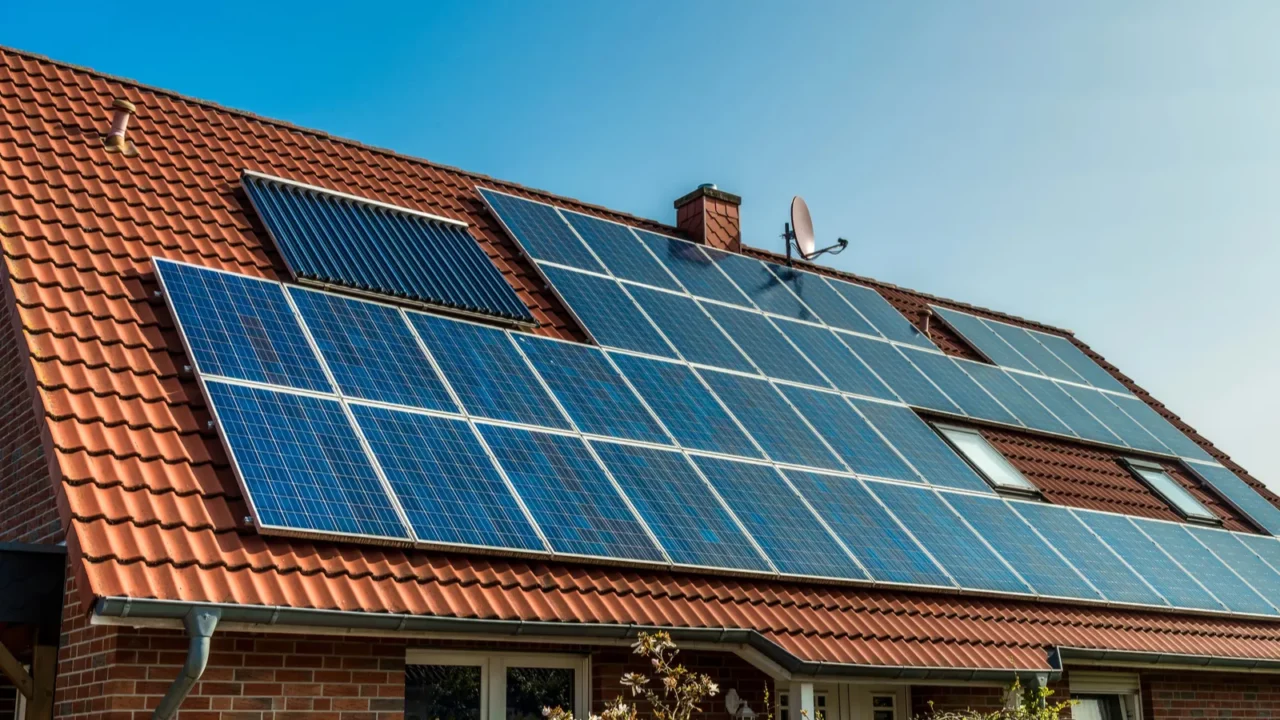
Glass skyscrapers as potential solar surfaces
Tall buildings have limited rooftop area relative to their total surface area. Transparent solar windows are designed to use vertical glass surfaces, such as building facades, as an additional location for energy generation.
Converting window glass into solar-generating surfaces could increase the total energy generation capacity of a building. The extent to which this offsets a building’s power demand depends on the building’s size, glass coverage, and local sunlight conditions.

Residential windows with solar coatings
Some companies are developing solar-generating window glass intended for residential use, including windows and patio doors. These products are in development through partnerships between window manufacturers and solar technology companies.
The coated glass is designed to resemble standard low-emissivity residential windows in appearance. Energy output from residential solar windows depends on the specific coating technology and the home’s sun exposure.

Layer structure of transparent solar cells
Transparent solar cells typically use an organic photovoltaic semiconductor layer placed between two conductive, transparent outer layers. This sandwich structure allows the cell to generate electricity while remaining largely see-through.
These organic thin-film materials are flexible and lightweight, which allows them to be applied as a coating on standard architectural glass. The layer structure is designed to protect internal components from moisture and heat exposure.
Fun fact: Every kilowatt-hour (kWh) of solar generation that your household or business self-consumes means one less kilowatt-hour (kWh) of electricity bought.

Fully transparent panel efficiency and uses
Fully transparent solar panels allow approximately 80 to 100% of visible light to pass through, making them visually similar to standard window glass. They are designed to absorb non-visible wavelengths for energy generation.
Due to their high transparency, these panels typically have energy efficiency rates between 1% and 5%. Their lower efficiency makes them more suited to applications such as display cases, skylights, and small electronics rather than primary power generation.
Fun fact: Most homeowners aim to install enough solar panels to cover all of their electricity consumption, which can vary with the size of your home, how energy efficient it is, and where you live.

Semi-transparent panels and higher efficiency
Semi-transparent solar panels block a portion of visible light in exchange for higher energy generation compared to fully transparent panels. These panels have a visible tint and are not as clear as standard glass.
Current commercial semi-transparent panels allow roughly 40% light transmission while achieving an efficiency rating of approximately 7.2%. They are used in applications including building facades, carports, and shade structures.
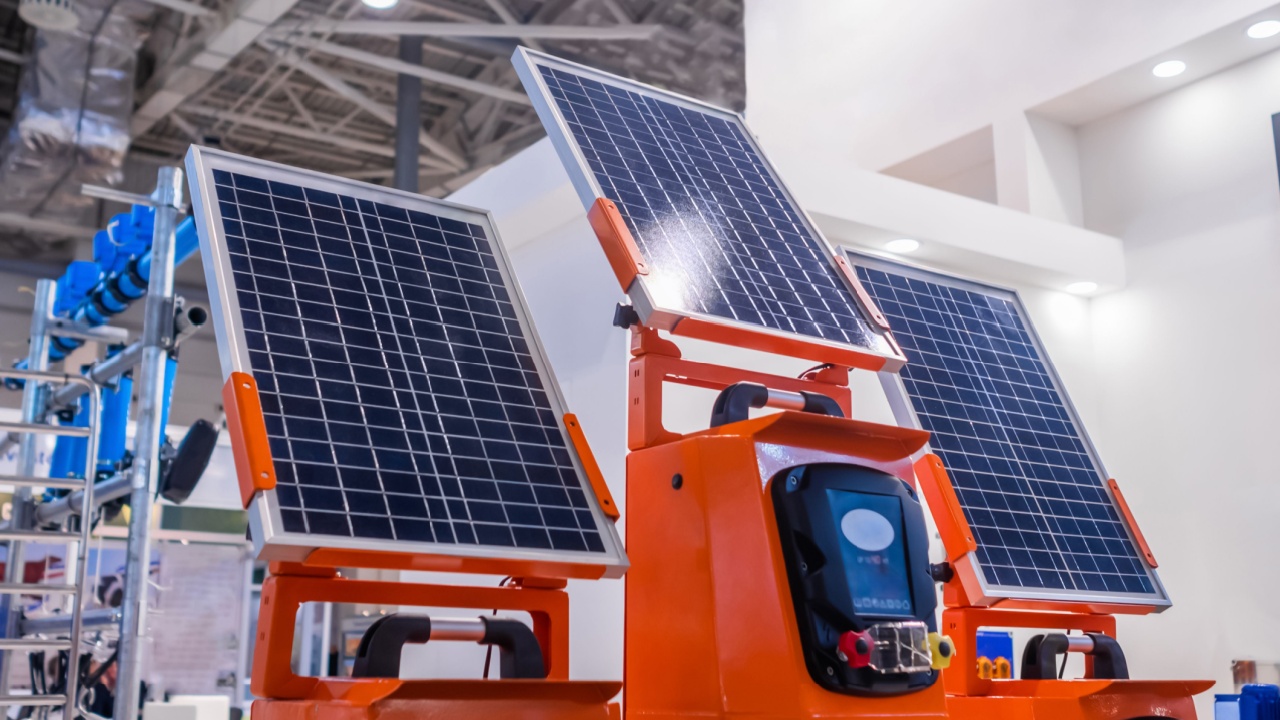
Perovskite solar cells reach a lab efficiency record
University researchers developed a semi-transparent solar cell using perovskite materials, a class of crystal-structured compounds being studied as an alternative to traditional silicon-based solar cells.
The cell achieved a 22.02% energy efficiency rating in a controlled laboratory setting. This figure represents a laboratory test result rather than a commercially available product and has not yet been validated at production scale.

Greenhouses and filtered solar light
Greenhouses are one proposed application for transparent solar glass, since plants primarily use specific wavelengths of visible light for photosynthesis rather than the full light spectrum.
Transparent solar panels designed for this use absorb ultraviolet and infrared light while allowing photosynthetically active light to pass through to plants. This approach is sometimes referred to as agrivoltaics in agricultural and energy research literature.

Solar films tested in EV sunroofs
Some automotive manufacturers are testing thin transparent solar films integrated into the glass roofs and windshields of electric vehicles. These films are designed to generate a small amount of electricity from ambient sunlight.
The generated electricity could supplement the battery charge while a vehicle is parked. The extent to which this affects driving range depends on the film’s efficiency, the vehicle’s exposure to sunlight, and how often the car is parked outdoors.

Solar-charging concepts for consumer electronics
Some research is exploring the integration of thin transparent solar cells into the glass screens of consumer electronics, such as smartphones and smartwatches, to supplement battery charging.
These cells would absorb ambient indoor or outdoor light to provide a small amount of supplemental power. This technology remains in early research and development stages and is not yet present in widely available consumer products.

Solar glass in historic preservation zones
Local preservation regulations sometimes restrict visible solar hardware on buildings within historic districts due to aesthetic guidelines. Traditional rooftop solar panels are often prohibited in these areas for this reason.
Transparent solar glass is being explored as an alternative that could be installed without significantly altering a building’s visual appearance. Whether a specific installation complies with local preservation rules depends on the regulations of that particular jurisdiction.
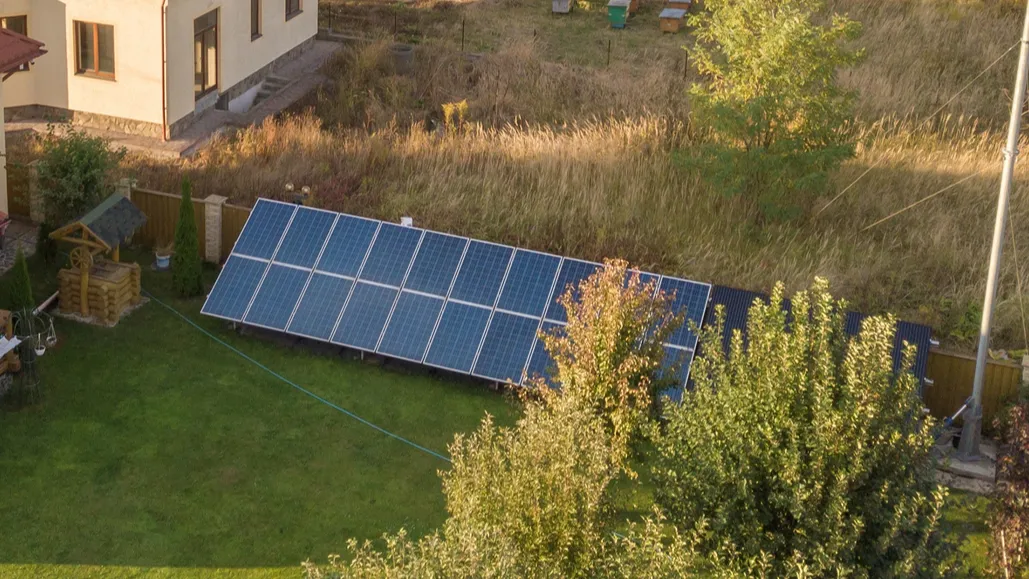
Current market availability of solar glass
Transparent solar glass products are currently more available for commercial and industrial applications than for residential use. Most current commercial offerings target architects and large-scale building projects.
Smaller-scale translucent solar panels are available for applications such as boats and off-grid cabins. Broader residential availability depends on continued development in manufacturing processes and remains limited as of current industry reporting.
While solar glass is still finding its way to residential markets, more accessible solar options are already within reach. See why this low-cost solar offering is generating buzz among everyday shoppers.

Solar glass paired with battery storage
Some researchers and developers propose combining transparent solar glass with on-site battery storage systems to reduce a building’s reliance on the external power grid.
This approach is part of broader research into building-integrated photovoltaics. The extent to which such systems could reduce grid dependence depends on building design, local energy needs, and the specific technology used in a given installation.
Reducing grid dependence doesn’t have to mean waiting on next-gen building tech. Find out how a $1,200 balcony solar setup is already helping homeowners take that step.
Do you think solar glass paired with battery storage could become a mainstream building standard someday, or is it too niche to scale? Share your prediction in the comments!
This slideshow was made with AI assistance and human editing.
Don’t forget to follow us for more exclusive content right here on MSN.
Read More From This Brand:





