


Plants take center stage
Indoor plant collecting has shifted from a niche hobby to a defining feature of modern interior design. Homeowners now treat plants as essential elements that shape layout, lighting, and spatial flow. This shift reflects a broader interest in wellness and nature-driven interiors.
Designers are noticing how plants now guide decisions once reserved for furniture or art. A room often begins with a statement plant before anything else is added. It feels less like decorating and more like building a living environment around growth.

From decor to identity
Houseplants are no longer passive decorative accents but active expressions of personal identity. Collectors curate species based on rarity, leaf pattern, and symbolic meaning. This trend mirrors how people use fashion or art to communicate taste.
It is easy to see why this resonates so strongly right now. A shelf of carefully chosen plants can say more than a gallery wall ever could. The choices feel intentional, layered, and deeply personal without saying a word.

The rise of collections
Plant collecting has evolved into structured and intentional curation rather than casual ownership. Enthusiasts group plants by species, origin, or care requirements to create cohesive displays. This approach brings a sense of order and purpose to indoor greenery.
There is something satisfying about seeing a collection grow over time. Each new plant feels like a thoughtful addition rather than a random purchase. The result is a space that feels curated, not cluttered.

The plant parent era
The concept of plant care has expanded into a lifestyle centered on nurturing and responsibility. Many collectors adopt routines that mirror caregiving practices, including watering schedules and growth tracking. This reflects a deeper emotional connection between people and their plants.
Did you know: The phrase “plant parent” became more visible during the pandemic-era houseplant boom, as many people turned to care routines for comfort and structure. That shift explains why plant collections now feel personal rather than purely decorative. It is not just about owning plants anymore, it is about caring for something living.

Rare plants, big impact
Rare and exotic plants have become focal points in contemporary interiors. Species like variegated monstera or unusual philodendrons are prized for their visual uniqueness. These plants often serve as statement pieces within a room.
Collectors are drawn to the thrill of finding something uncommon. It adds a sense of discovery and exclusivity to the space. A single rare plant can instantly elevate the entire room’s visual interest.
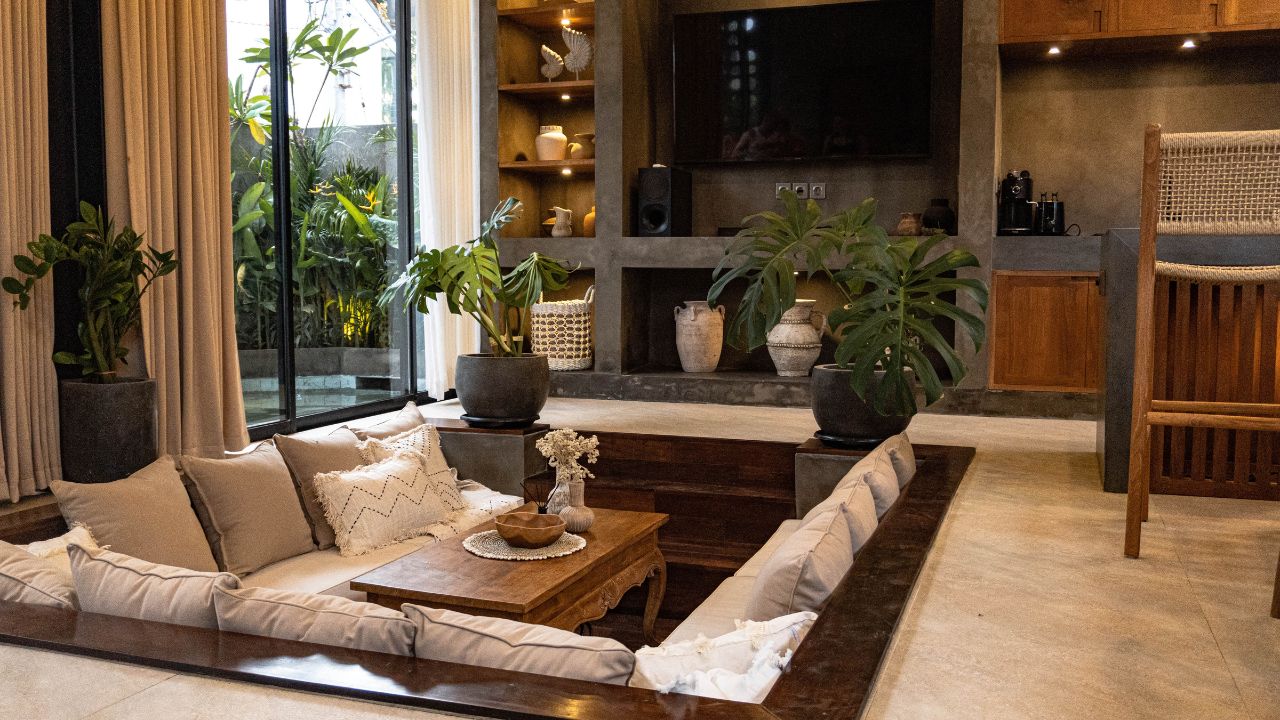
Styling around greenery
Interior layouts are increasingly designed to accommodate plant placement and growth. Light exposure, airflow, and vertical space now influence furniture arrangement. This marks a shift toward more adaptive and organic design strategies.
You can feel the difference in a room planned this way. Furniture seems to support the plants instead of competing with them. It creates a softer, more balanced atmosphere that feels easy to live in.

Wellness through green living
Research continues to link indoor plants with improved mental well-being and reduced stress levels. The act of caring for plants provides structure and a sense of accomplishment. These benefits contribute to the growing popularity of plant-filled homes.
Did you know: Caring for houseplants can reduce stress and anxiety, reinforcing their role beyond decoration. That explains why watering a plant can feel surprisingly grounding. It is a small act that delivers visible results and calm.

Small spaces, big greenery
Urban living has driven creative approaches to plant placement in limited spaces. Vertical gardens, hanging planters, and compact arrangements maximize greenery without overcrowding. These solutions make plant collecting accessible in smaller homes.
It is impressive how much life a small corner can hold. Even a single shelf can turn into a lush display with the right mix. The effect feels intentional rather than constrained by space.

Social media influence
Digital platforms have played a significant role in shaping plant trends and aesthetics. Visual sharing encourages experimentation with styling, grouping, and rare plant sourcing. This exposure accelerates trend adoption across different regions.
Scrolling through plant-filled interiors can quickly spark new ideas. People often recreate looks they admire, adding their own twist. It turns plant collecting into a shared and evolving creative practice.

Sustainable design shift
Houseplants can support a broader interest in nature-focused and eco-conscious interiors when they are chosen and cared for mindfully. This aligns well with current interior design priorities.
Adding plants feels like a simple step toward a greener lifestyle. It is a choice that supports both aesthetics and values. That balance makes plant collecting feel purposeful and modern.

Mixing plants and furniture
Designers are blending plants seamlessly with furniture to create cohesive interiors. Shelving, tables, and seating now incorporate greenery as part of their function. This integration blurs the line between decor and living elements.
It creates a layered look that feels thoughtful rather than staged. Plants soften hard edges and add movement to still spaces. The result is a home that feels alive in a subtle way.

Evolving interior priorities
The rise of plant collecting reflects changing priorities in how people define comfort and beauty. Natural elements are now seen as essential rather than optional. This shift influences everything from color palettes to material choices.
Homes are starting to feel more relaxed and less rigid. Plants introduce an element of unpredictability that keeps spaces interesting, making each houseplant feel like a small but meaningful design choice. It is a quiet change, but it reshapes how rooms are experienced daily.

A living future indoors
Houseplant trends suggest a long-term shift toward interiors that evolve. Unlike static decor, plants grow, change, and respond to their environment. This dynamic quality redefines how spaces are designed and maintained.
It is hard to go back once a space includes living elements. The room feels more connected and responsive to daily life, especially when you begin to bring nature indoors in ways that feel personal and intentional. That is what makes this trend feel lasting rather than temporary.
If you found this interesting, give us a like and share your thoughts in the comments.
This slideshow was made with AI assistance and human editing.
Don’t forget to follow us for more exclusive content right here on MSN.
Read More From This Brand:





Lucky you! This thread is empty,
which means you've got dibs on the first comment.
Go for it!