


Google makes bold move
Google’s reported compute deal with SpaceX shows how fierce the AI infrastructure race has become. The company is no longer competing only through smarter models or better apps. It is also chasing the hardware needed to power them at a massive scale.
By turning to SpaceX for compute capacity, Google is signaling that AI growth increasingly depends on chips, data centers, power availability, and long-term access to scarce resources.

Monthly cost looks massive
The reported price tag is what makes this deal so striking. Google is expected to pay SpaceX about $920 million per month from October 2026 through June 2029.
That level of spending shows how expensive the AI race has become for Big Tech. Compute is no longer merely a background cost. It is now a strategic weapon that can decide who builds, trains, and serves advanced AI faster than rivals.

GPU access drives urgency
The deal reportedly gives Google access to about 110,000 Nvidia GPUs, along with CPUs, memory, and other compute components. That matters because powerful AI models require significant processing power to train, improve, and serve users.
When chip supply is tight and demand keeps rising, companies with guaranteed capacity gain a significant competitive advantage. Google’s move suggests future AI winners may be decided by who secures hardware first and fastest.

Gemini needs more power
Google’s AI push depends on having enough compute behind Gemini, cloud AI tools, and business products. Even a company with its own cloud platform and custom chips can still need outside capacity when AI demand accelerates.
This deal shows how far the AI boom is stretching the biggest tech players. The real contest is not only who builds the best model, but who can run it reliably at scale for customers.

SpaceX becomes compute supplier
SpaceX is not just a rocket, satellite, and internet company in this story. It is becoming a major supplier of AI compute capacity for powerful customers.
That could change how investors and tech leaders view the business. Instead of relying solely on launches, Starlink, and space missions, SpaceX is adding a new revenue stream tied to AI infrastructure, where demand is strong, and pricing can remain premium for years.
Little-known fact: Google’s SpaceX compute deal is reportedly worth $920 million every month, which means one month of reported compute spending exceeds the production budgets of many Hollywood blockbusters.

Anthropic helped set the stage
Google’s reported move came after another major AI compute agreement involving Anthropic, showing that SpaceX was already pushing into this market. Once one leading AI company secured substantial compute resources, a second major agreement made the trend harder to ignore.
The signal is clear. Frontier AI labs and Big Tech firms are hunting for compute wherever they can find it, even outside the usual cloud infrastructure channels and suppliers.
Fun fact: Google’s deal with SpaceX runs through June 2029, meaning this AI compute race is being locked in years before many people fully understand how significant the AI infrastructure race could become.

AI compute turns valuable
This deal shows how AI computing is becoming one of the most valuable resources in technology. Companies need chips, buildings, cooling, networking, electricity, and long-term capacity to keep advanced systems running. That makes computing capacity resemble digital real estate.
The companies that control these resources can gain unusual leverage in the AI era, especially when demand rises faster than the industry can build new capacity at scale.

Speed matters for Google
For Google, extra compute could help ease pressure from fast-growing AI demand across consumer and business products. When users rely on AI tools, slow responses, limited access, or service delays can quickly hurt trust.
More capacity gives Google room to test models, support customers, and expand features. In a market built on instant answers, infrastructure strength can become just as important as model quality, product design, and everyday reliability for users.

Terms include escape options
The agreement is massive, but it does not appear to lock both sides into every condition forever. Google reportedly has ways to reduce fees or exit if SpaceX fails to deliver the agreed GPU access after a deadline and grace period. Later termination options may also apply with notice.
That flexibility matters because AI demand, chip pricing, model needs, and infrastructure costs can shift quickly over several years of competition ahead.
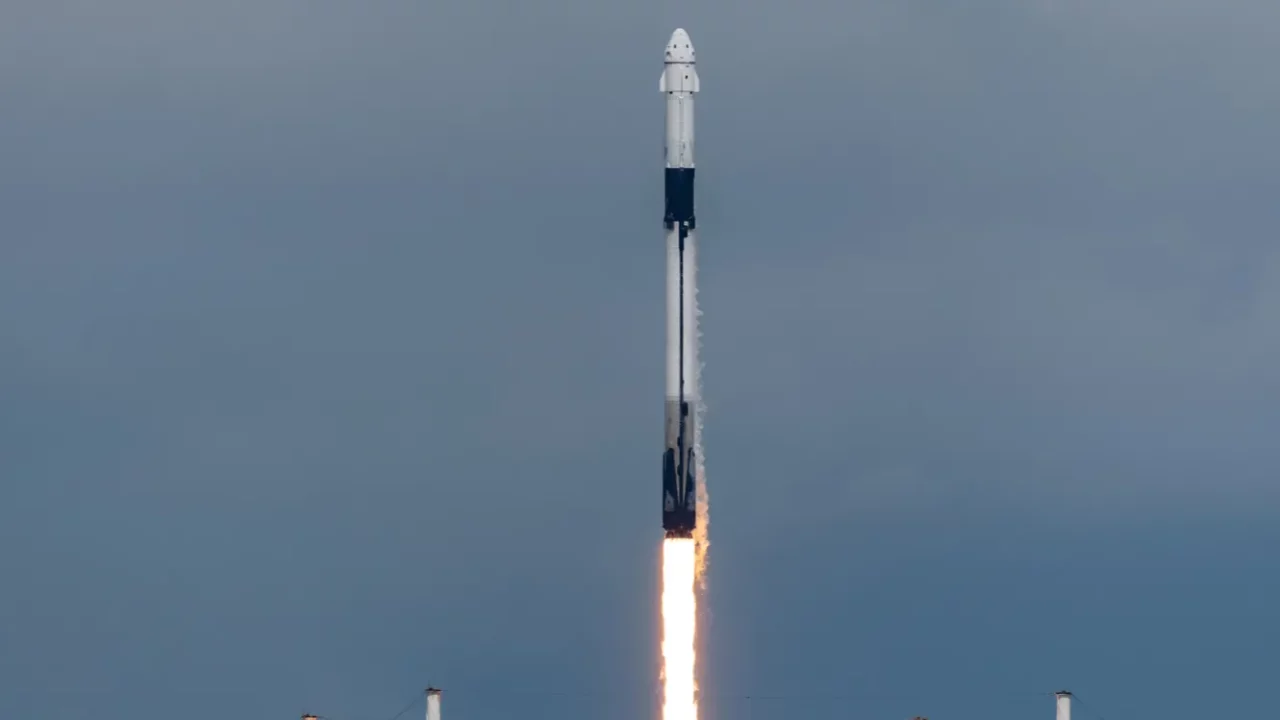
Starship remains big hurdle
SpaceX’s long-term vision for orbital compute depends heavily on Starship becoming reliable, reusable, and affordable at large scale. That is still a difficult challenge. Launching heavy hardware into space is very different from operating a normal data center on Earth.
The Google deal may strengthen the narrative around AI infrastructure. However, any future space-based compute plan still depends on solving major problems involving launch cost, maintenance, cooling, timing, and reliability first.

Cloud competition gets stranger
The deal makes the cloud market look more complicated than before. Google is already a major cloud provider, yet it is reportedly buying huge compute capacity from SpaceX. That shows how unusual the AI boom has become. Traditional lines between customers, suppliers, rivals, and partners are blurring.
Even the biggest technology companies may need unexpected allies when demand for AI hardware outpaces normal data center expansion plans.

Energy pressure stays central
AI compute is not only a chip story. It also requires huge amounts of electricity, cooling, land, water planning, and grid coordination. Massive agreements like this show why data center expansion has become a national infrastructure issue.
As AI demand grows, companies must consider power availability, environmental concerns, and local community reactions. The real winners may be those who secure capacity without later creating backlash over energy use.
Want to see what happens when that quiet progress suddenly stops? Check out what unfolded during a recent outage that caught even major tech players off guard.

AI race is changing
The reported Google-SpaceX agreement reveals a bigger shift in AI competition. The race is no longer only about who builds the smartest chatbot or releases the most impressive demo. It is also about who controls the infrastructure behind intelligence.
Chips, data centers, power access, contracts, and delivery deadlines are now central to the story. The reported move suggests that the next AI battle may be fought behind the scenes.
The next phase of military AI may depend as much on leadership views as on the technology itself. Explore Nvidia CEO’s take on the Pentagon and Anthropic clash.
Do you think Google teaming up with SpaceX could change the race for AI power, or does it give Big Tech too much control? Share your thoughts and drop a comment.
This slideshow was made with AI assistance and human editing.
Don’t forget to follow us for more exclusive content right here on MSN.
Read More From This Brand:





