


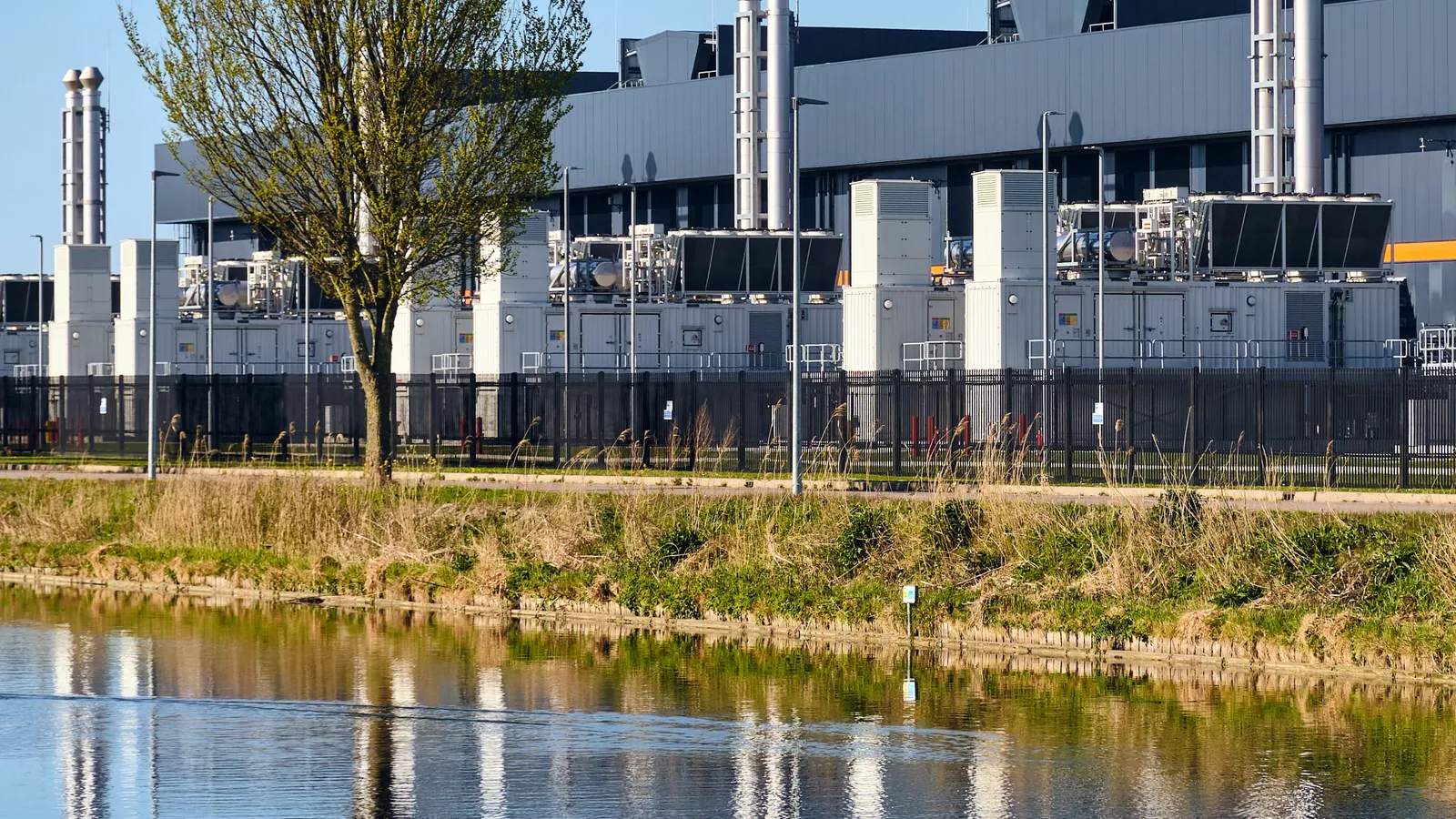

Texas water pressure grows
Google’s $10 million water commitment lands as Texas faces a bigger debate over data centers, AI growth, and local resources. The company wants to support water projects while expanding its digital infrastructure in the state. That timing matters because residents are asking how much water these facilities may require.
The issue is no longer only about technology. It is also about trust, planning, and protecting communities from future strain. That concern is growing quickly.
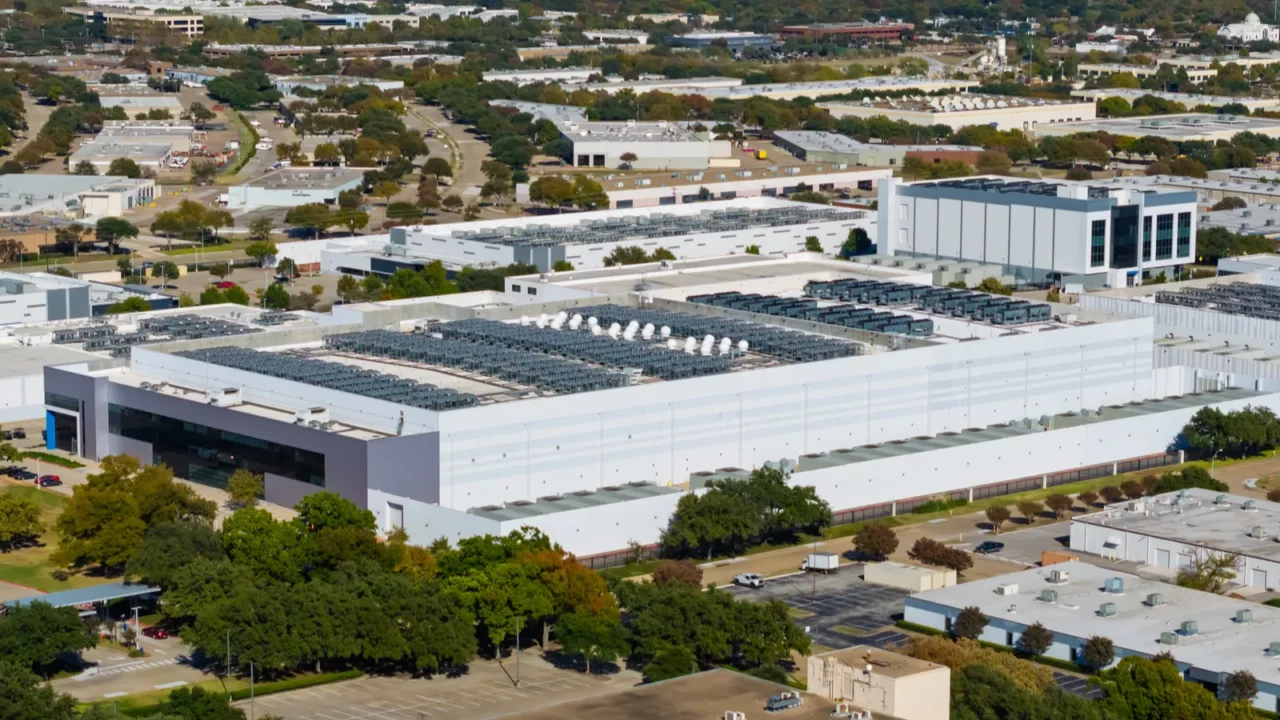
Water becomes the concern
Data centers create intense heat because thousands of servers run around the clock. To keep systems operating safely, operators need cooling methods that use water, air, or a mix of both.
In Texas, where heat waves and drought are familiar concerns, that choice carries real weight. Communities are now looking beyond construction jobs and tax benefits to ask whether new facilities could add pressure to already limited water supplies.

Pledge draws close attention
Google’s $10 million pledge supports Texas water projects through the Texas Water Impact Fund, which focuses on community water sources, infrastructure, and access. The move aligns with the company’s broader water stewardship goals, but public reaction may hinge on visible results.
Texans will want to know where the money goes, how projects are chosen, and whether the benefits reach areas most affected by data center expansion, especially smaller communities watching new facilities nearby.

AI boom changes demand
AI is making data centers more important and in greater demand than ever. These facilities support nationwide search tools, cloud services, business platforms, maps, and AI products.
As usage grows, so does the need for power, land, cooling, and reliable infrastructure. Texas is becoming a major example of how the AI race is not just digital. It also depends on the physical resources that communities can measure. That pressure is becoming harder to ignore.

Texas attracts tech growth
Texas has become a strong target for data center development because it offers land, access to energy, business-friendly policies, and rising demand for digital services. Google has announced major data center and energy plans in the state, including projects in the Panhandle.
That growth can create jobs and local investment, but it also brings harder questions about grid capacity, water planning, and the long-term impact on nearby communities. Those concerns deserve careful attention.
Fun fact: Google says its broader water goal is to replenish more freshwater than it consumes, on average, across its data centers and offices by 2030.

Air cooling gains attention
Google says it will choose air cooling or recycled water when local water sources are at high risk, helping reduce direct freshwater use in dry areas. That approach matters in Texas because cooling choices can shape a facility’s local footprint. Still, air cooling can bring other trade-offs, including higher electricity demand in certain conditions.
For residents, the debate is really about finding a balance among water savings, energy reliability, and responsible growth. That balance will shape public confidence.
Fun fact: Some large data centers can use millions of gallons of water a day, which is why Google’s $10 million Texas water pledge is drawing so much attention from communities watching AI growth.

Public reporting builds trust
Google says it will keep reporting annual water use for its data center sites, and that kind of transparency matters. Local leaders and residents need clear numbers before they can judge whether new projects fit their area’s future.
Water demand cannot remain hidden as towns plan for drought, growth, and industrial activity. Better reporting gives communities a stronger way to compare promises with actual impacts over time. That openness could reduce confusion.

Replenishment remains key goal
Google has set a goal to replenish more water than it consumes at its sites by 2030. The company says its water projects have already returned billions of gallons and could grow further as new efforts come online.
The important question is where those benefits happen. Replenishing water across a broad region sounds positive, but communities near data centers will likely want direct proof that local conditions improve. That proof will shape trust.
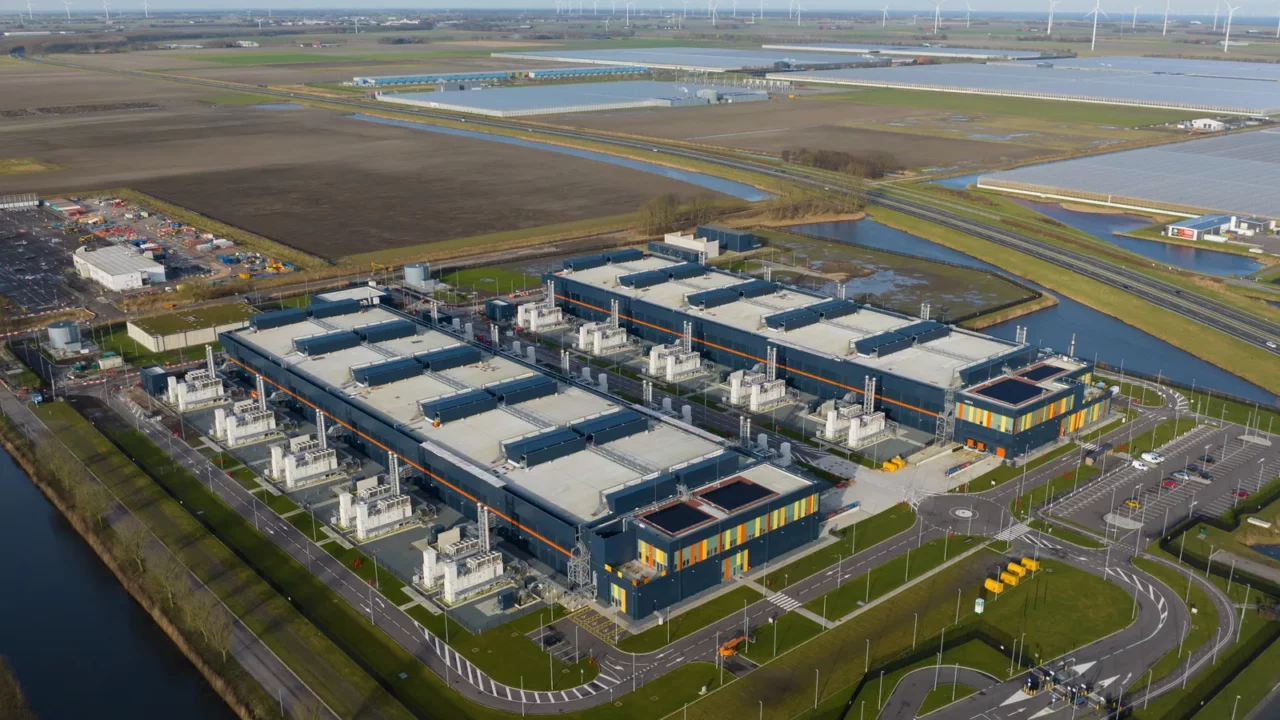
Drought raises local stakes
Texas already faces heavy heat, rapid population growth, and recurring drought, which make every major new water demand more sensitive. A data center may appear to be one project, but it can become part of a much wider regional resource challenge. Rural areas and smaller towns may feel that pressure more sharply.
That is why local officials are asking tougher questions before approving large technology developments. Water decisions now may shape growth for years.

Infrastructure upgrades could help
Part of the promise behind water stewardship is that private funding can help improve old or stressed water systems. Many communities face aging pipes, leaks, treatment needs, and expensive upgrades that are difficult to cover on their own.
If tech investment helps solve those problems, residents could benefit beyond the data center itself. Still, local agreements must be clear, so upgrades serve public needs, not only corporate expansion. Public oversight will be important too.

Energy water links matter
Data center water use is closely tied to energy demand because cooling methods affect electricity needs, and power generation can also involve water. That connection makes planning more complicated in Texas, where grid reliability already matters during extreme weather.
Google’s broader investments include energy support for its operations, but communities will closely watch the outcomes. The real test is whether growth can happen without weakening local utility systems. That outcome matters for public trust.

Texas could shape rules
Texas could become a national model for how states handle AI infrastructure and water pressure. If Google can expand while improving water systems, using lower-water cooling methods, and sharing clear data, public concern may ease. If impacts grow faster than solutions, more communities may resist future projects.
Other states are watching because the same questions about AI, water, power, and accountability are likely to spread beyond Texas, especially in fast-growing regions.
Curious where these shifting AI models could lead next? See how Google, Microsoft, and others are competing to redefine search.

Bigger question moves forward
Google’s $10 million Texas water move shows that Big Tech understands public support now depends on more than innovation. Data centers may power AI tools, cloud services, and the next wave of digital growth, but they also need water, energy, land, and community confidence.
In Texas, the future of data center expansion may depend on whether residents believe the benefits are worth the resource trade-offs for their towns and families.
Want to see how Google’s AI efforts reach beyond productivity tools? Take a look at the cancer research breakthrough that could change everything.
Should tech companies be allowed to expand data centers in dry regions if they invest in local water projects? Let us know what you think and give this post a thumbs up.
This slideshow was made with AI assistance and human editing.
Don’t forget to follow us for more exclusive content right here on MSN.
Read More From This Brand:





