


SpaceX future expansion outlook
SpaceX is expected to enter a powerful five-year expansion phase driven by rapid advancements in rocket reusability, satellite networks, and deep-space engineering systems. Experts believe its growing technological ecosystem could redefine how global space access is structured.
With rising government contracts and private sector demand, the company may evolve into a foundational force shaping orbital infrastructure, commercial space operations, and next-generation communication systems across multiple industries worldwide.

Starship testing milestone growth
Starship development is projected to accelerate with more frequent test launches, upgraded materials, and improved propulsion systems. Engineers are focusing on reliability, payload efficiency, and full reusability at scale. Experts suggest these improvements could significantly lower launch costs and increase mission frequency.
If progress continues steadily, Starship may become the backbone of commercial deep-space transport and enable early-stage missions that support long-term human exploration beyond Earth’s orbit.

Starlink global network surge
Starlink is expected to expand aggressively across continents, increasing coverage quality, download speeds, and network resilience. Demand is especially strong in rural, remote, and underserved regions where traditional broadband is limited.
Experts believe this growth could position SpaceX as a dominant global connectivity provider. Over the next five years, satellite internet adoption may accelerate digital inclusion, disrupt traditional telecom markets, and reshape how global internet infrastructure is delivered.
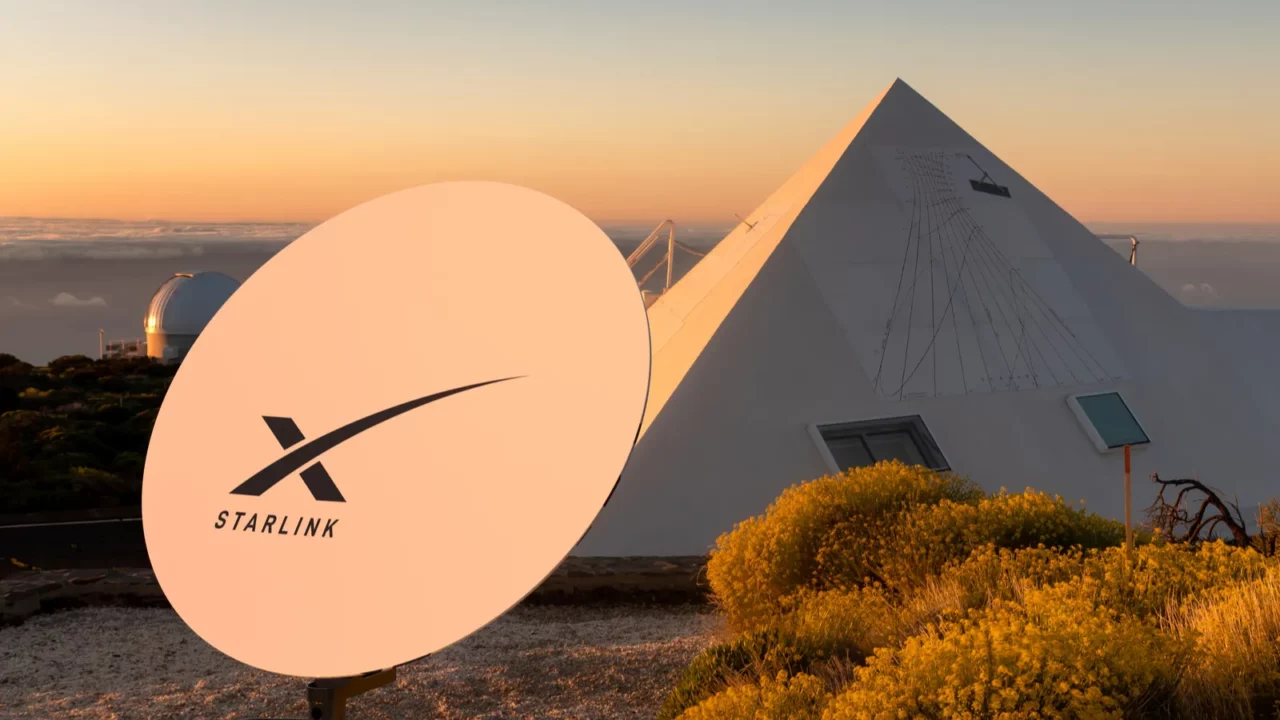
Direct smartphone connectivity
Direct-to-cell satellite technology is emerging as a breakthrough innovation that enables standard smartphones to connect directly to orbiting satellites. This system could eliminate communication dead zones in remote areas, oceans, and disaster zones.
Experts highlight its potential in emergency response, aviation safety, and global logistics tracking. Over time, satellite-based mobile communication may reduce dependence on terrestrial towers and redefine global mobile connectivity standards.

Mars exploration development path
SpaceX’s Mars roadmap is expected to progress through structured milestones, including cargo missions, simulation tests, and validation of life-support systems. Experts believe Starship will play a central role in proving long-duration space travel capabilities.
While full human settlement remains a long-term goal, these developments represent critical steps toward interplanetary exploration. The next five years may lay the technical groundwork for future missions beyond Earth’s planetary boundaries.

Lunar mission expansion role
SpaceX is expected to play a major role in upcoming lunar exploration programs through partnerships with government agencies and private organizations. The Starship Human Landing System is designed to support future Moon landings and infrastructure development.
Experts anticipate multiple test phases before operational readiness. These efforts could help establish a sustained lunar presence and expand commercial opportunities in Moon-based research and exploration ecosystems.
Fun fact: SpaceX’s reported first-day surge briefly added hundreds of billions of dollars in market value more than the entire market capitalization of many Fortune 500 companies combined.
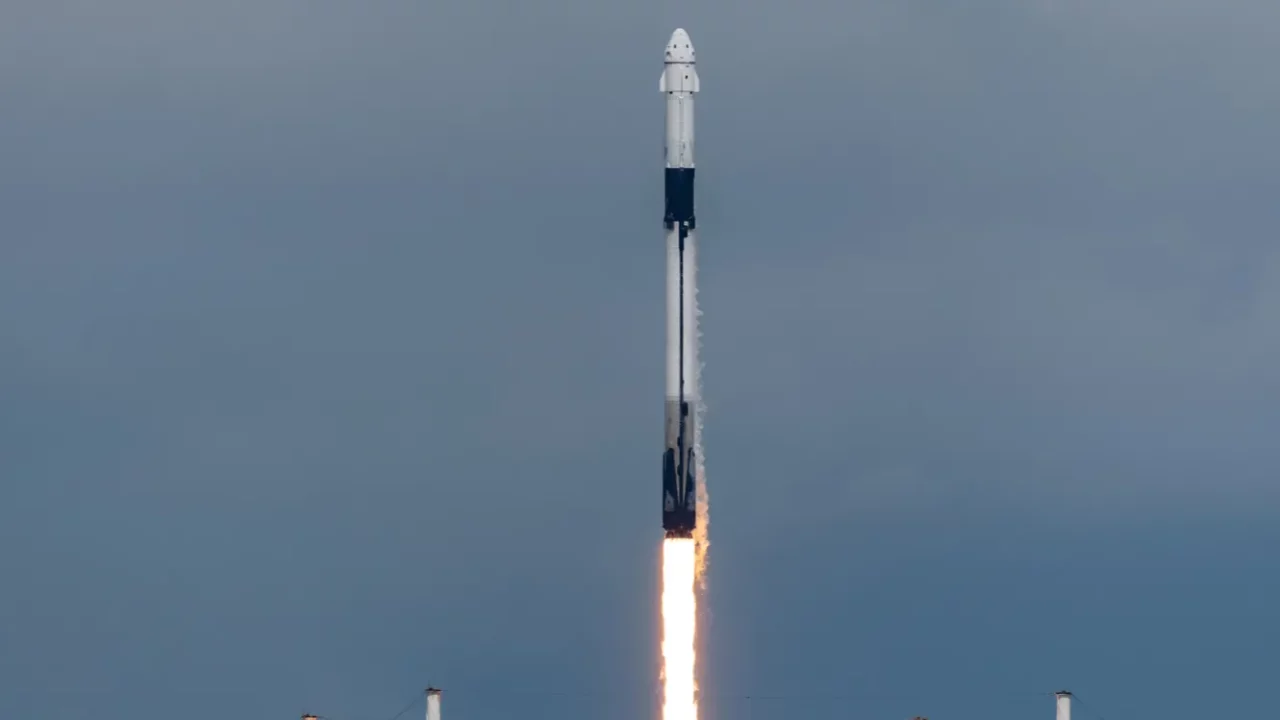
Launch cost disruption effect
Experts expect SpaceX to continue reducing orbital launch costs through improved reusability and increased launch frequency. These efficiencies could significantly lower barriers to space access for scientific missions, private companies, and government programs.
As costs decline, satellite deployment and research initiatives may grow rapidly. Over time, affordable access to space could become one of the company’s most transformative contributions to the global aerospace industry.
Little-known fact: The reported first-day rally was so powerful that it fueled headlines about creating the world’s first trillionaire on paper, showcasing the enormous investor enthusiasm surrounding SpaceX.

Reusability transformation impact
Reusable rocket technology is expected to become increasingly refined, with faster turnaround times and higher reliability between missions. This evolution could dramatically reshape global launch economics and set new industry benchmarks.
Experts suggest competitors may be forced to adopt similar approaches to remain competitive. Over time, near-rapid reusability may become the standard model, redefining efficiency expectations across the entire space transportation sector.

Space tourism market rise
SpaceX is likely to expand its presence in the emerging space tourism industry through orbital flights and potential lunar travel experiences. Experts believe improved safety and lower operational costs could make space travel more accessible to private individuals and research participants.
Although still in early stages, the sector may experience steady growth over the next five years, generating new revenue streams and increasing public engagement with space exploration.

Defense collaboration expansion
SpaceX is expected to strengthen its involvement in defense and national security operations through satellite communications and rapid launch capabilities. These systems may support secure data transmission, surveillance, and global intelligence infrastructure.
Experts suggest such partnerships could provide stable long-term revenue while increasing strategic importance. Over time, SpaceX may become a key provider of advanced orbital systems supporting modern defense and security frameworks worldwide.

Artificial intelligence integration growth
Satellite systems are expected to integrate more deeply with artificial intelligence applications, including real-time analytics and edge computing capabilities. SpaceX may enhance its satellite networks to support faster data processing and reduced latency for AI-driven services.
Experts believe this convergence could transform global computing infrastructure. Over time, orbital systems may function as extensions of cloud networks, enabling faster and more efficient digital ecosystems.

Orbital station transition phase
As the International Space Station approaches retirement, SpaceX is expected to play a key role in supporting next-generation commercial space stations. Private orbital platforms may replace aging infrastructure with more advanced research and manufacturing capabilities.
Experts believe SpaceX could provide transport, logistics, and construction support. This transition may mark a shift toward a fully commercialized low Earth orbit ecosystem.
Starlink’s operations may be influenced by recent U.S. policy discussions. Learn more about how regulatory changes could impact the company, as Starlink may win big from the Trump move.

Five year transformation vision
Experts believe SpaceX is entering a transformative five-year period that could redefine global space exploration, satellite communications, and interplanetary development strategies.
Advancements in reusable rockets, Starlink expansion, and deep-space capabilities may position the company as a leader in multi-planetary infrastructure. The coming years are expected to determine how quickly humanity progresses toward sustained space presence and expanded commercial activity beyond Earth.
What does Air Force approval mean for SpaceX’s Starship? Learn how Cape Canaveral launches could accelerate its mission timeline and reshape the future of space travel.
Is this just the beginning for SpaceX, or could volatility be around the corner? Let us know what you think below.
This slideshow was made with AI assistance and human editing.
Don’t forget to follow us for more exclusive content on MSN.
Read More From This Brand:





