


Your new TV upgrade may not be urgent yet
If someone told you that your TV is already outdated because of Dolby Vision 2, slow down before pulling out your credit card. The technology is real, it is arriving in 2026 televisions, and it does genuinely useful things.
The catch is that almost no one can take full advantage of its headline features yet. Understanding what it actually does, and what it still cannot do, helps you decide whether it belongs on your shopping list right now.

What standard Dolby Vision does for your picture
Dolby Vision is a high dynamic range format that improves brightness, contrast, and color by adjusting the picture scene by scene rather than applying one fixed setting across an entire film or show.
The difference shows up most clearly in high-contrast scenes, like a bright window inside a dim room or city lights against a night sky. Without it, bright spots lose detail, and dark areas collapse into a muddy, shapeless black.

How Dolby Vision 2 improves on the original
Traditional Dolby Vision uses dynamic metadata created during production to help TVs adjust picture quality scene by scene. Dolby Vision 2 builds on that foundation with Content Intelligence, a new image engine that can use content data, display capability, and supported room-sensing features to improve the final picture.
On supported TVs with ambient light sensors, Dolby Vision 2’s Light Sense feature can use room-light data along with content reference information to adjust brightness and tone mapping. The goal is to keep the picture easier to see in changing room conditions while preserving the creator’s intended look.

Murky, dark scenes may finally become watchable
Squinting at a nearly pitch-black scene in a prestige drama, trying to figure out what is happening, is a frustration that millions of TV viewers share. Directors sometimes grade scenes so dark that home TVs cannot render them clearly under normal room lighting.
Dolby Vision 2 includes Precision Black, a feature designed to improve visibility in very dark scenes without simply washing out the image. That could help viewers who watch HDR shows in normal living rooms, where daylight or lamps can make shadow detail harder to see.

Motion smoothing gets a long-overdue improvement
Motion smoothing reduces screen shake during fast-moving scenes but tends to make films look flat and unnaturally smooth, a side effect so common that critics call it the soap opera effect. It has frustrated movie lovers for years.
Dolby Vision 2 Max adds Authentic Motion, a creator-controlled tool designed to reduce unwanted judder on a shot-by-shot basis. Dolby says the goal is smoother motion without the unnatural soap opera effect that can come from standard TV motion processing.

Sports fans stand to benefit in a specific way
Fast sports can challenge a TV because bright playing surfaces, quick camera movement, and small moving objects all need to remain clear at the same time.
Dolby Vision 2 is designed to handle those transitions more smoothly, keeping fast-moving objects easy to track without washing out surrounding parts of the picture. Popular Mechanics specifically identifies sports viewers and gamers as primary beneficiaries of this particular improvement.
Which TV brands are adding it in 2026
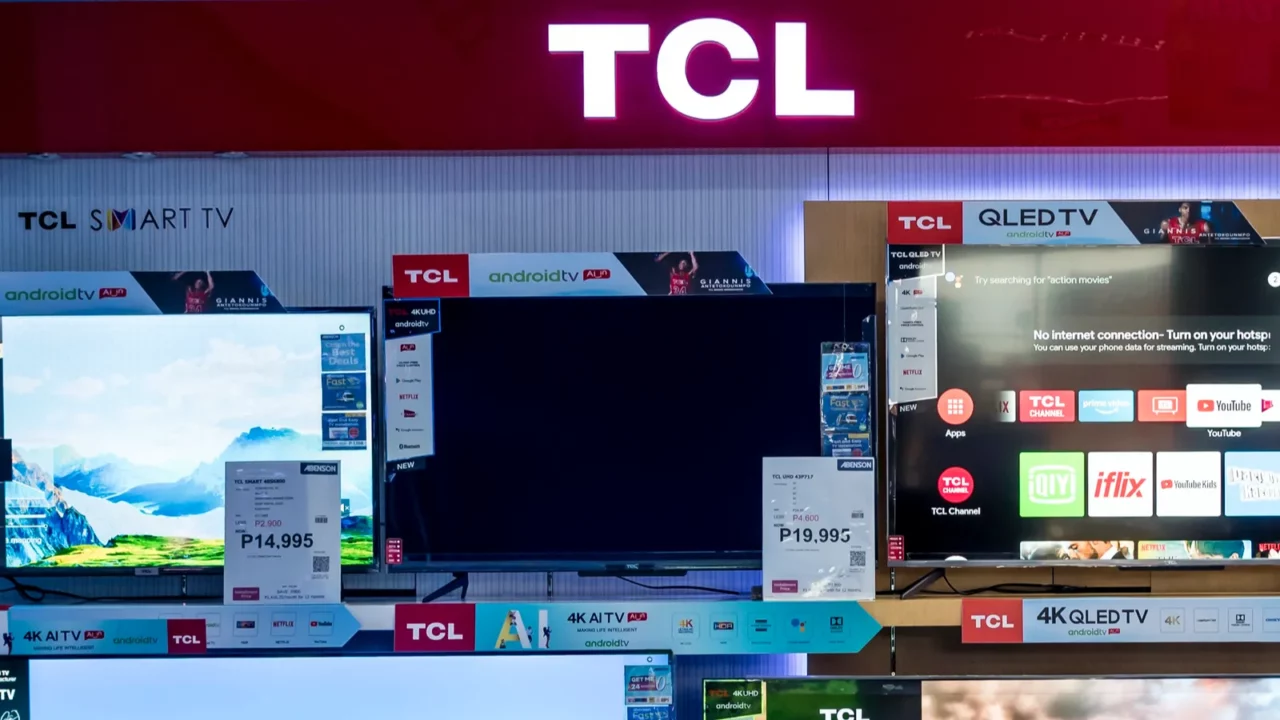
Dolby Vision 2 has arrived in select 2026 television models from a small number of manufacturers. Hisense has included it in the UR9 and the 116UX, while TCL is adding it to its C-Series and X QD-Mini LED lineup.
Philips plans to bring support to the OLED811 through a software update later in 2026. Samsung, which has not participated in standard Dolby Vision, is not expected to include Dolby Vision 2 in its televisions.
Fact: Dolby Vision 2 centers on a new image engine called Content Intelligence, which uses content data, display capability, and supported ambient light input to improve picture presentation.

The core problem: no supporting content exists yet
Owning a Dolby Vision 2 TV right now is similar to having a car that runs on a fuel type not yet available at any station nearby. The hardware is ready, but nothing currently streaming activates its new features.
Dolby Vision 2’s AI-driven adjustments only engage when a show, film, or game is specifically produced to support the format. As of mid-2026, no content designed for Dolby Vision 2 has been released on any platform.

Peacock is the first streamer to commit
Among major streaming platforms, Peacock is the only one to publicly confirm it will add Dolby Vision 2 support in the United States, with that rollout expected before the end of 2026. No other service has announced plans to follow.
How many titles will actually launch with support remains unclear. Based on how the original Dolby Vision rollout unfolded, Popular Mechanics expects the initial supported library to be limited before expanding gradually over the following years.

The original Dolby Vision took years to spread
Dolby Vision launched in 2014, but Netflix did not add support until 2016, two full years after the standard was introduced. That two-year gap between launch and meaningful streaming availability shaped what most viewers actually experienced.
That history sets realistic expectations for Dolby Vision 2. Popular Mechanics notes that how quickly streaming services adopt it will likely depend on how fast TV manufacturers bring the technology into more affordable, mainstream television models.

No need to rush out and buy a new TV
Popular Mechanics is straightforward on this point: there is no pressing reason to purchase a television specifically because it supports Dolby Vision 2. Most households replace their TV once every five to 10 years.
Buying based on a single emerging format that has no supporting content yet is difficult to justify. As adoption grows and guidance from reviewers shifts, the case for prioritizing Dolby Vision 2 will strengthen, but that moment has not arrived yet.

What actually matters most when buying a TV now
Strong picture quality still comes down to proven fundamentals: how bright the panel gets, how deep the blacks are, and how accurately colors appear on screen. Those qualities deliver real improvements from the first day of use.
Popular Mechanics currently recommends the LG C5 OLED and the TCL QM8K QD-Mini LED as top picks for buyers who want excellent picture performance available and working today, without waiting for content formats to catch up.
If you’re already considering the TCL QM8K, it’s worth seeing how TCL’s Dolby Atmos speakers pair with it to round out your home entertainment setup.

Dolby Vision IQ already handles some of this
Before Dolby Vision 2 arrived, a version called Dolby Vision IQ was already addressing room-aware picture adjustment on supported TVs. It uses a built-in light sensor to recalibrate brightness and contrast based on how much ambient light surrounds the screen.
Dolby Vision IQ is available on a wider range of current televisions and works today without requiring new content formats to activate it. For viewers watching near windows or with lights on, it already handles the core visibility problem effectively.
Getting the picture right is a great start, but if your TV’s audio ever lets you down, this guide to fixing no sound on a Sony TV is worth bookmarking just in case.
Did you already know that Dolby Vision IQ was adjusting your picture based on room lighting, or is this the first time you’re hearing about it? Drop your thoughts in the comments.
This slideshow was made with AI assistance and human editing.
Don’t forget to follow us for more exclusive content right here on MSN.
Read More From This Brand:





