


Big Tech’s data center race heats up
AI may feel invisible when you type a prompt or ask a chatbot for help. But behind every answer are massive data centers packed with chips, power systems, cooling gear, and miles of equipment.
Big Tech’s data center race is raising serious trust questions because companies are spending huge sums to build AI infrastructure fast. The promise is smarter tools and stronger U.S. tech leadership. The worry is whether communities, power grids, and investors can keep up.
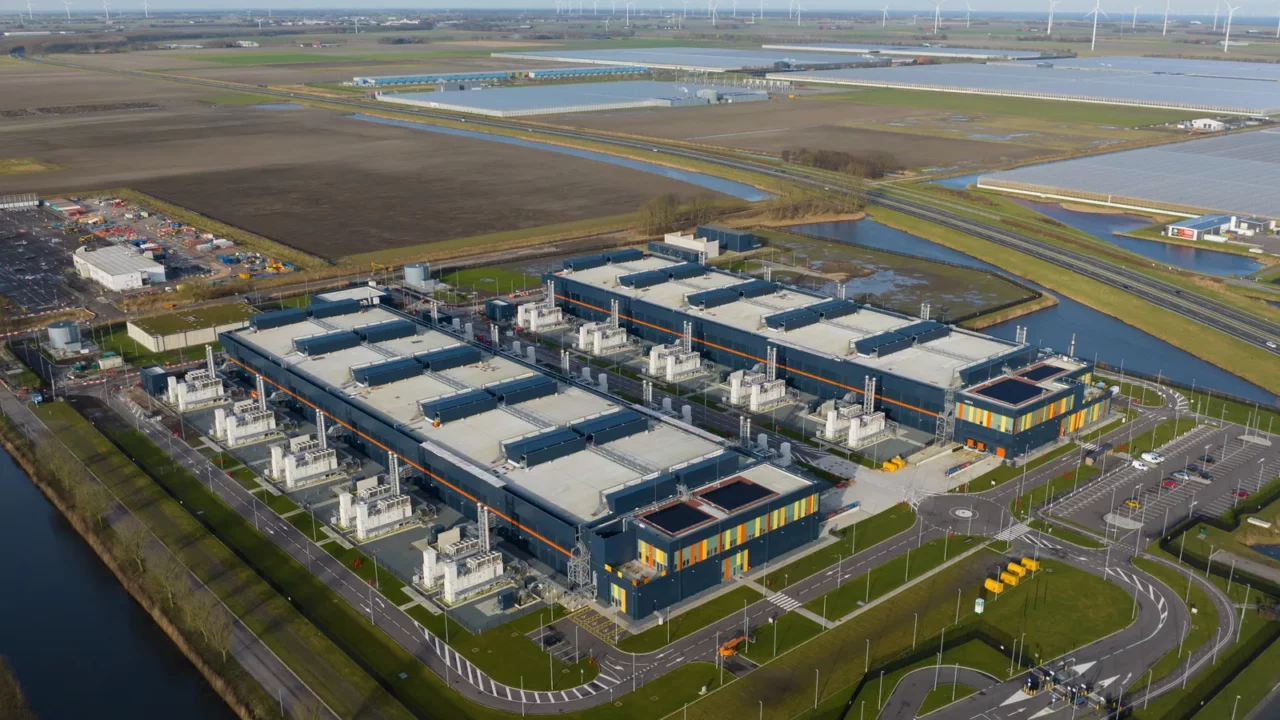
Big Tech’s data center race gets costly
Big Tech’s data center race is no longer just a tech story. It is also a money story, with major companies planning hundreds of billions of dollars in AI-related infrastructure spending.
That scale makes people ask harder questions. Are these projects long-term investments, or are companies racing to buy hardware that becomes outdated too quickly?
Research Affiliates’ Chris Brightman argues that frontier AI hardware may generate most of its economic return within roughly three years, meaning some of today’s spending could act more like replacement spending than durable long-term investment.

Big Tech’s data center race faces doubt
Big Tech’s data center race is raising serious trust questions as the public sees the trade-offs more clearly. Data centers need power, land, water planning, transmission lines, and local approval.
Supporters say these sites create jobs and support the AI tools people now use every day. Critics worry about utility bills, local noise, water use, and whether wealthy tech companies are getting too much help. That trust gap is becoming one of the industry’s biggest risks.

Hardware may age fast
The biggest surprise is not that AI chips are expensive. It is how quickly their value may fade when newer chips arrive with better performance and energy efficiency.
Research Affiliates’ Chris Brightman argued that AI hardware can become economically obsolete far faster than its accounting life suggests.
Brightman’s broader argument is that rapid hardware turnover could turn part of the AI infrastructure boom into “capital churn,” where companies keep spending heavily just to maintain competitive compute capacity. That makes the spending boom look less durable than it first appears.

Power is the hidden bottleneck
A data center cannot run on hype. It needs reliable electricity all day, every day, and that is where many projects start to slow down.
Sightline Climate tracked at least 16 gigawatts of data center capacity expected in 2026, but found only about 5 gigawatts under construction.
That gap matters because power connections, transformers, permits, and local resistance can delay projects long after splashy announcements. The race is no longer just about chips. It is about getting enough power to use them.

Communities want answers
For years, many data centers were treated as quiet background infrastructure. Now, more residents are asking what they cost, what they use, and who benefits most.
Business Insider reported growing pushback over energy use, water concerns, utility costs, and public trust. In some places, projects are facing lawsuits, moratorium talks, or calls for stricter rules.
Companies say data centers bring jobs and tax revenue, but many communities want clearer proof before welcoming bigger sites.

Electricity costs raise nerves
Power bills are one reason this debate feels personal. If large data centers require new grid upgrades, residents want to know whether those costs will show up on household bills.
Reuters reported that U.S. consumers face rising electricity prices as demand for AI and data centers grows, even as clean power expands.
That does not mean every bill increase comes from data centers. But when families are already watching expenses closely, even the possibility of tech-driven costs can damage public trust fast.

Water worries add pressure
Electricity is not the only concern. Some data centers also need water for cooling, though designs vary widely by site, climate, and cooling method.
That makes local planning important. A project that looks fine on paper can face pushback if residents worry about drought, wells, rivers, or long-term water supply.
Companies increasingly promise cleaner, smarter cooling systems, but communities want details, not slogans. The trust question is simple: will the project protect local resources, or strain them?

Big promises meet slow builds
The gap between announcements and construction is becoming a major warning sign. A company can promise a huge data center campus, but the real test is whether crews, permits, power equipment, and financing line up.
ightline Climate found that about 11 gigawatts of 2026 capacity remained in the announced stage with no visible construction progress, despite typical data center build timelines of 12 to 18 months. That does not mean demand is fake. It means the buildout may be slower, messier, and more expensive than the headlines suggest.

Companies defend the buildout
Big Tech is not ignoring the criticism. Microsoft, for example, announced a “Community-First AI Infrastructure” initiative focused on being a better neighbor in communities where it builds, owns, and operates data centers.
These promises matter because trust is now part of the business model. Companies need local permits, grid partnerships, workers, suppliers, and political support.
If residents believe the benefits are real and the costs are fairly handled, projects may move faster. If not, even deep-pocketed companies can face delays.

Investors see a new risk
Investors usually like big growth stories. But the data center boom raises a harder question: will all this spending yield strong profits, or just protect old businesses from AI rivals?
Brightman’s argument is that some companies may be spending heavily to defend their main franchises, not because every AI project is already profitable.
That matters for shareholders. If hardware must be replaced quickly, then today’s spending may not create the long-lasting advantage many people expect.
Curious how TikTok is trying to rebuild trust in smaller ways, too? Explore TikTok’s new built-in meditation tool, a sign the platform is shifting its focus beyond just feeds and followers.

Trust may decide the race
The AI buildout is not stopping, but the easy part may be over. Big Tech now has to prove these projects are useful, fair, and worth the local burden.
That means clearer power plans, honest cost sharing, better water explanations, and stronger community benefits.
The companies that win may not be the ones that announce the biggest campuses. They may be the ones that earn enough trust to actually build them, power them, and keep communities on board.
Want to see how this debate is already shaping real policy decisions? Take a closer look at Trump’s move to push TikTok toward American ownership and why it’s fueling even bigger questions about control and fairness online.
If you found this interesting, give us a like and share your thoughts in the comments.
This slideshow was made with AI assistance and human editing.
Don’t forget to follow us for more exclusive content right here on MSN.
Read More From This Brand:





Lucky you! This thread is empty,
which means you've got dibs on the first comment.
Go for it!