


Hidden show home tricks
Show homes are staged properties used to illustrate potential living conditions for buyers. Builders and designers employ visual strategies to enhance appeal, often creating an idealized environment that may differ from everyday use. Understanding these staging tactics helps buyers assess what truly reflects the home’s features rather than an enhanced presentation.
Awareness of these tricks encourages more informed decisions. Recognizing staged elements helps avoid unrealistic expectations after purchase.

Artificial lighting illusions
Designers rely on lighting to amplify space and warmth. Bright lights and strategic placement create an inviting ambiance while masking less desirable features. This approach highlights architectural detail and distracts from imperfections.
Buyers should note that lighting in show homes may not reflect real living conditions. Observing lighting at different times avoids misjudging how spaces actually feel.
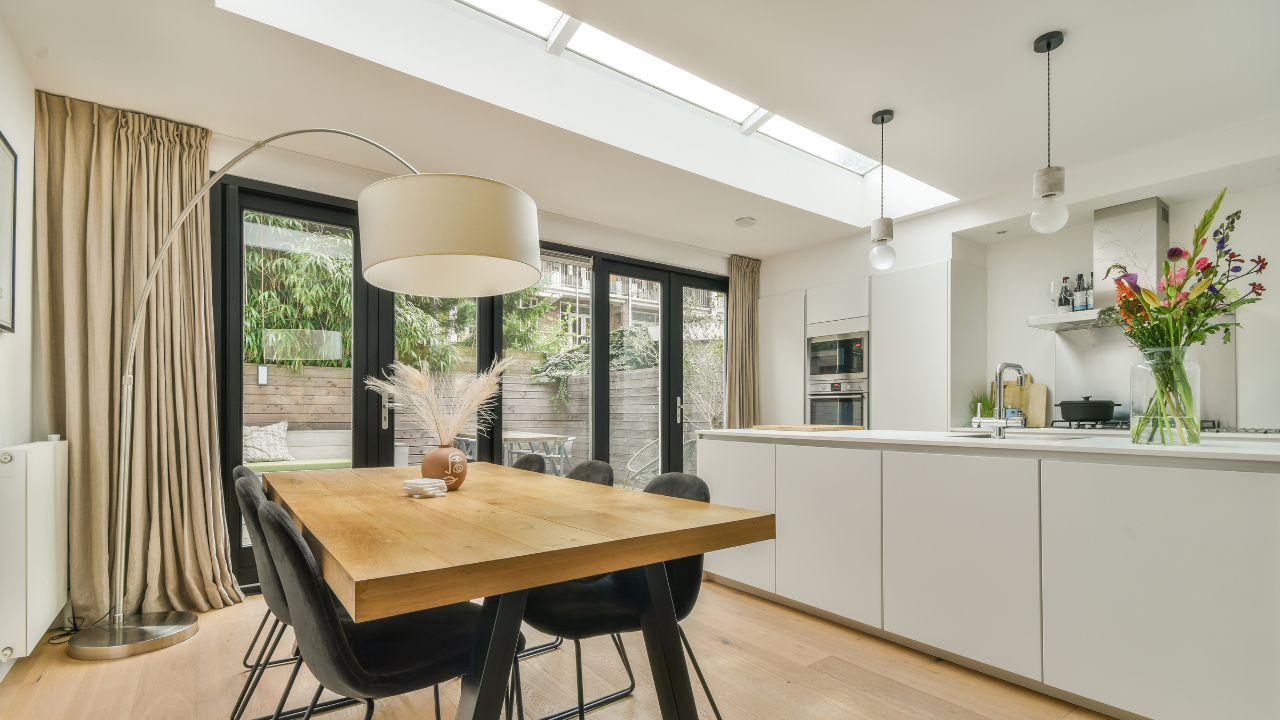
Open space ambience
Open floor plans are emphasized to make interiors feel larger and more continuous. Designers may reduce furnishings or rearrange spaces to improve perceived flow and avoid clutter. These adjustments influence buyer perception without altering actual square footage.
Buyers need to verify true room dimensions. Understanding layout versus illusion prevents overestimating functional space.

Neutral color strategy
Show homes often use neutral color palettes to appeal broadly. Soft tones and understated hues allow visitors to visualize their own style and reduce distraction from other features. These choices generate a sense of calm and sophistication.
Buyers should consider how personal decor will integrate with these bases. What feels appealing in staging may not suit individual preferences.

Furnishing manipulation tactics
Furniture placement significantly shapes perception of space. Designers may use compact pieces to open rooms or oversized items to suggest comfort. These staged arrangements influence how people imagine living in the home.
Prospective buyers should plan their own furniture layouts. What looks spacious with staged pieces may feel different with real furniture.

Clever storage designs
Designers often highlight storage to make show homes look orderly and functional. Emphasis on closets, cabinetry, and shelving suggests organized living that appeals to buyers. These elements add perceived value without structural change.
Fact: A report from the National Association of Realtors shows that staging, including showcasing storage, can lead to up to a ten percent increase in offers because improved presentation shapes buyer perception.

Flooring visual techniques
Flooring choices impact spatial perception in staged homes. Light tones and uniform surfaces make rooms feel larger and more continuous. Designers select materials that reflect light and draw movement through spaces.
Buyers should inspect flooring under natural light. Materials that read well in staging may show variation in daily use.

Accessory‑driven perception
Accessories like art, plants, and decorative items guide eyes toward focal areas. These touches enhance perceived sophistication and style while influencing emotional reactions. Designers use them to elevate appeal without structural investment.
Buyers must separate decorative enhancement from functionality. Accessories can impress, but do not alter core features.

Maximizing natural views
Large windows and unobstructed views are often highlighted to increase natural light and perceived openness. Designers may reposition furnishings to frame outdoor scenery and expand visual depth. This technique strengthens emotional connection to the home.
Fact: Architectural and design analysis shows that maximizing daylight and outdoor views significantly increases perceived home value and desirability because natural light positively affects mood and spatial perception.

Color temperature effects
Warm and cool color temperatures influence mood in staged homes. Warm hues can make spaces feel cozy while cool tones suggest modern elegance. Designers select tones that complement lighting and highlight features.
Buyers should evaluate color effects under different lighting conditions. Artificial staging lights can alter color perception.

Staged kitchen appeal
Kitchens are showcased to emphasize efficiency and luxury. Strategic placement of appliances and decor creates a polished impression that appeals to buyers. Designers often highlight open countertops and premium finishes.
Buyers should check real usability and storage. Staged kitchens may be more impressive than practical in everyday use.

Bathroom presentation tricks
Bathrooms in show homes are staged to look pristine and spacious. Lighting, mirrors, and sleek fixtures generate a spa‑like feel. Designers minimize personal items to reinforce cleanliness and simplicity.
Buyers should assess storage and real usage needs. Pristine staging may not reflect long‑term functionality, so consulting home inspectors can help ensure everything is truly up to standard.

Buyer evaluation wisdom
Understanding show home presentation strategies empowers buyers to see beyond surface appeal. Awareness of staging tactics like lighting, furniture placement, and decor helps set realistic expectations. Smart evaluation protects investment value.
Buyers should rely on measurements, natural light checks, and personal visualization. Keeping an eye on trendy home features helps ensure your new property aligns with both style and practicality.
How much of what you see in a show home reflects reality, and what’s purely staged to impress? Let us know in the comments.
If you found this interesting, give us a like and share your thoughts in the comments.
This slideshow was made with AI assistance and human editing.
Don’t forget to follow us for more exclusive content right here on MSN.
Read More From This Brand:





Lucky you! This thread is empty,
which means you've got dibs on the first comment.
Go for it!