


Apple Intelligence may open up to rivals
Apple Intelligence, Apple’s official artificial intelligence system, could soon let users choose outside AI models to power certain features. Reuters, citing Bloomberg News, reported that Apple is preparing the feature for iOS 27, iPadOS 27, and macOS 27, where users could choose supported AI services through the Settings app.
Instead of relying on one primary partner, Apple may allow multiple AI providers inside its ecosystem. That shift would mark a major change in how Apple designs software and could reshape how millions of people use the iPhone each day.

How AI extensions could work
Apple is reportedly developing a system known as Extensions to connect third-party AI models with built-in features. These tools would let outside services handle tasks like writing help, image creation, and voice responses.
The idea is to route requests through the model a user prefers. Apple would still control the interface and privacy framework, but the underlying intelligence behind certain tasks could come from different companies approved by Apple.

ChatGPT may lose its exclusive role
OpenAI’s ChatGPT is currently Apple’s built-in third-party AI option for certain Apple Intelligence features, including Siri and Writing Tools. Under the reported plan, Apple would broaden that setup by allowing users to choose from additional supported AI providers.
ChatGPT would remain available, yet it would no longer stand alone. Users could compare it with other models inside Apple Intelligence and decide which system best meets their needs for writing, brainstorming, or everyday questions.

Google Gemini enters the picture
Google’s Gemini is among the models Apple has reportedly tested for deeper integration into its devices. Gemini is designed to handle writing, reasoning, and conversational tasks across phones, tablets, and computers.
If added, Gemini would give iPhone users another major option backed by one of the largest tech companies in the world. That competition could encourage faster improvements and more polished tools.
Fact: Apple Intelligence supports Live Translation in Messages, FaceTime, and Phone, while Visual Intelligence can translate text your iPhone camera sees or text shown on your screen.
Anthropic’s Claude could join in
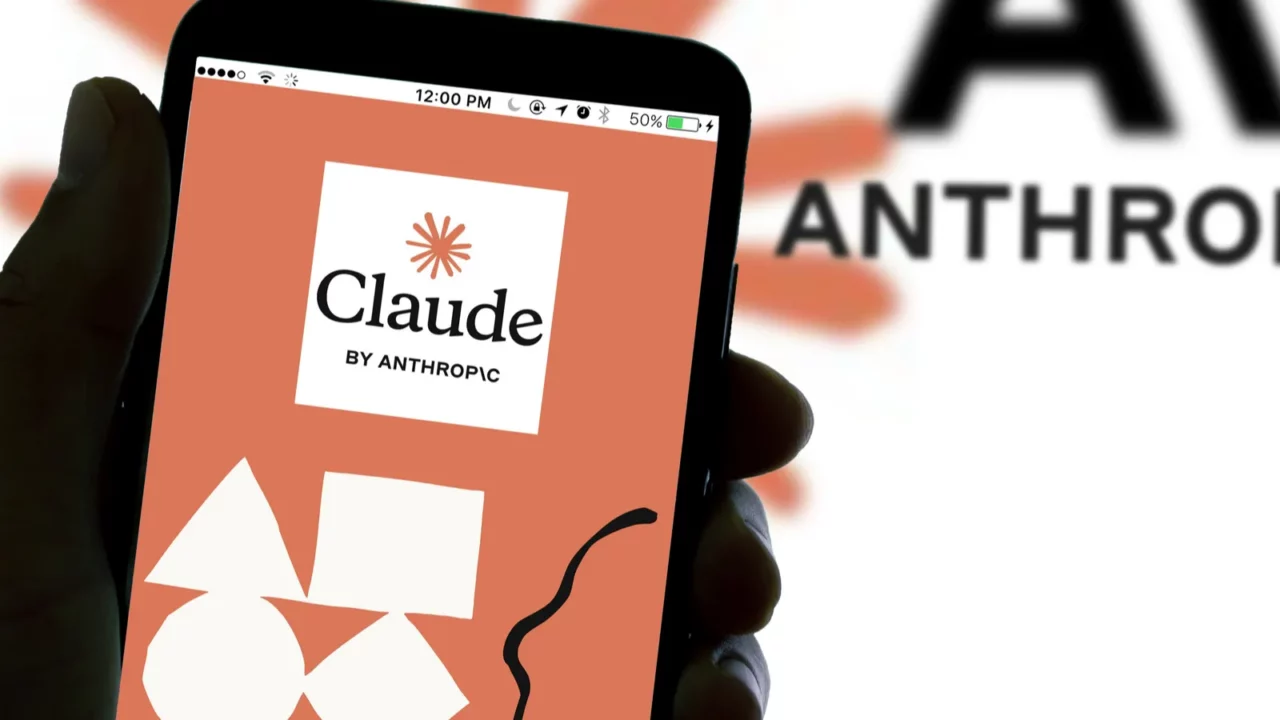
Anthropic’s Claude is another AI model Apple has reportedly explored as part of its broader strategy. Claude is known for its focus on safety, structured answers, and detailed responses during longer conversations.
Adding Claude would expand the range of styles and strengths available to users. Some may prefer its tone or performance for outlining class notes, summarizing reports, drafting professional messages, or handling thoughtful back-and-forth discussions.

A rare shift in Apple’s strategy
Apple traditionally offers tightly controlled experiences with limited customization, especially in core software features. Opening Apple Intelligence to outside AI providers would represent a meaningful departure from that long-standing model.
The company would still manage design standards, security protections, and privacy rules. Yet it would give customers more influence over which AI engine powers certain tools on their devices.
Fact: Apple Intelligence includes a Visual Intelligence feature that works somewhat like Google Lens, letting users identify objects and get contextual suggestions from images.

New possibilities for Siri
Apple is working on a redesigned Siri as part of its broader push into artificial intelligence. Support for multiple models could allow Siri to tap different systems depending on the type of request.
One model might handle quick factual answers, while another supports deeper conversations or creative tasks. That flexibility could make voice interactions feel more capable and more useful.

Photo tools may get smarter
Apple has signaled expanded artificial intelligence features for the Photos app on its devices. Third-party models could potentially assist with editing suggestions, image generation, or advanced search tools within large libraries.
Different models excel at visual tasks in different ways. Giving users options may lead to sharper edits, better organization of memories, and faster results when looking for specific pictures.

Why Apple might embrace competition
Artificial intelligence evolves quickly, and no company leads every category at once. By welcoming multiple models, Apple can offer broader capabilities without building each system entirely on its own.
This approach helps Apple keep pace with rapid advances in language and image tools. It also spreads innovation across partners while Apple maintains control over how features appear and function.

More choice for everyday users
Choice could become the defining feature of Apple Intelligence on future devices. Students, workers, and retirees might select the model that fits their tasks, comfort level, and personal preferences.
Some may prioritize creativity, while others focus on clarity or tone. The ability to switch between models could make artificial intelligence feel more personal and more practical.

Simplicity could face new pressure
Apple devices are known for being straightforward and easy to use right out of the box. Adding several AI options introduces new decisions for customers who may not follow tech news closely.
Apple will likely aim to keep the setup simple and guided. Clear menus and sensible defaults could help users avoid confusion while still offering meaningful flexibility.

Impacts on the App Store
If Extensions launch as reported, developers may build apps designed specifically to plug into Apple Intelligence. The App Store could see more AI-focused tools competing for visibility and downloads.
That environment may drive new partnerships and faster updates across the platform. Companies would work harder to stand out within Apple’s tightly managed ecosystem.
If Extensions open the door to more AI-powered apps, Apple Intelligence could become much more useful across the iPhone. See how iOS 26 unlocks the full power of Apple Intelligence.

A turning point for the iPhone
Opening Apple Intelligence to multiple AI models would signal a broader shift in Apple’s long-term strategy. The company would move from strict exclusivity toward a more platform-based approach.
If implemented, the iPhone could host competing AI systems under one familiar interface. That change may influence how other technology companies design their devices and services.
If competing AI systems arrive under one Apple interface, the biggest clue may come from Siri itself. Take a look at what Gemini-powered Siri could mean for Apple’s next AI chapter.
Would you switch AI models on your iPhone, or stick with the default? Share your take below and join the conversation.
This slideshow was made with AI assistance and human editing.
Don’t forget to follow us for more exclusive content right here on MSN.
Read More From This Brand:





