


A garden with lasting meaning
Have you ever wished a celebration could leave something meaningful behind long after the event ends? As America marks its 250th birthday, some gardeners are choosing to commemorate the occasion with living landscapes such as trees, native flowers, and pollinator-friendly beds.
Unlike decorations that last only a few days, a garden can grow and evolve for years. It becomes a lasting reminder of a historic milestone. This approach combines beauty, history, and personal connection. A living tribute can be enjoyed season after season.

Planting for the future
A commemorative garden is about more than honoring the past. It also represents hope and growth for future generations. Trees, shrubs, and flowers continue developing long after they are planted, whether they are oaks, flowering dogwoods, or perennial borders.
Their growth can symbolize progress and resilience. Many gardeners appreciate creating something that gains value over time. The garden becomes a gift to the future.
Native plants tell a story
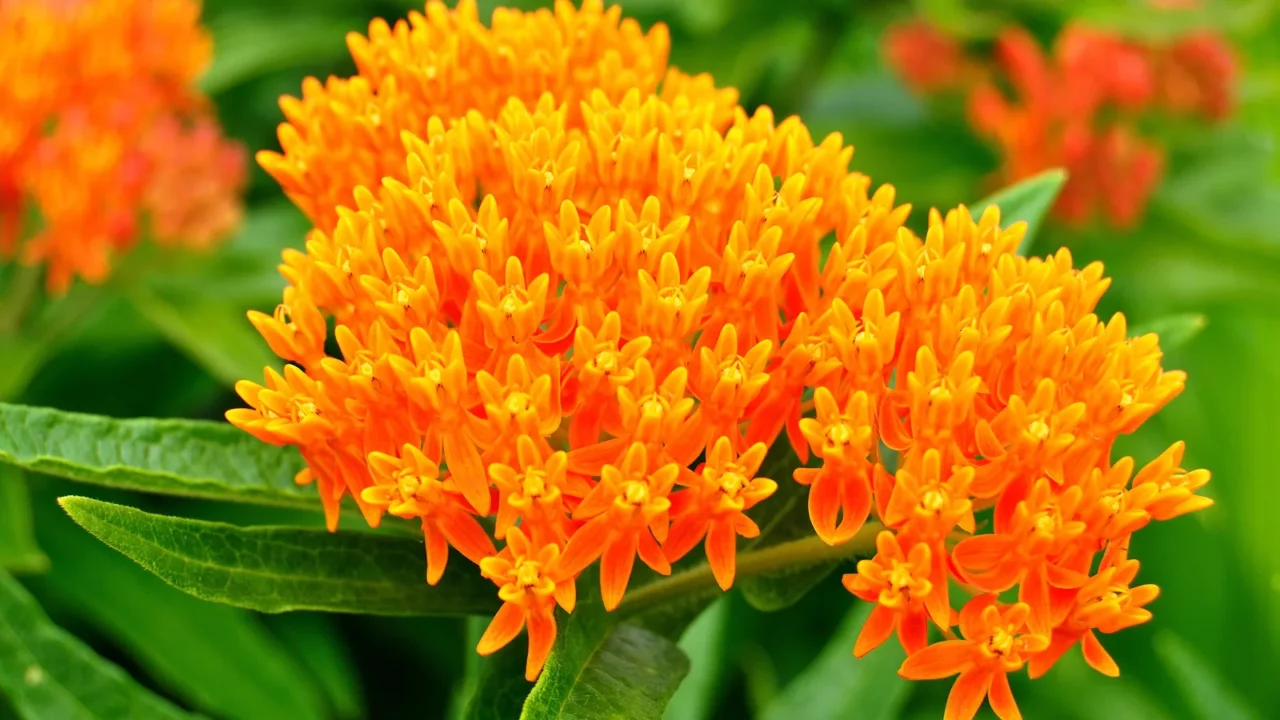
Many gardeners choose native plants for special projects because they reflect the natural heritage of a region. Plants such as milkweed, coneflower, and goldenrod support local wildlife and adapt well to local conditions.
They also connect the garden to the surrounding landscape. Choosing native plants can make a commemorative garden more meaningful. Their long-term benefits extend beyond appearance. They help create a healthier ecosystem.

Trees create living monuments
Planting a tree is one of the most popular ways to mark an important occasion. Oaks, maples, and dogwoods can live for decades or even centuries, making them powerful symbols of continuity. As they mature, they provide shade, beauty, and habitat for wildlife.
Each year of growth adds significance to the original planting. A tree becomes a living marker of history. Few garden features have such a lasting impact.
Fun fact: A single mature tree can absorb about 48 pounds of carbon dioxide per year, making commemorative tree planting both symbolic and environmentally beneficial.

Pollinator gardens support nature
A pollinator-friendly garden can honor a milestone while benefiting the environment. Flowers that attract bees, butterflies, and other pollinators help support biodiversity, and plants like lavender, salvia, and bee balm are common choices.
These gardens are colorful, active, and educational. They show how celebration and conservation can work together. Many gardeners enjoy seeing wildlife visit their plantings. The result is both beautiful and beneficial.

Color themes add symbolism
Some gardeners create themed plantings using specific color combinations. Red, white, and blue flowers such as petunias, geraniums, and alyssum are a popular choice for patriotic displays.
These colors can be arranged in creative ways throughout the landscape. Seasonal blooms help maintain the effect for longer periods. The design creates a visual connection to the celebration. Color can make the message immediately recognizable.
Fun fact: Geraniums can grow much larger than many people expect. Depending on the variety and care they receive, geraniums can range from 6 inches to several feet tall.

Community gardens build connections
Commemorative gardens do not have to be created alone. Community projects can bring neighbors together around a shared goal.
Working side by side encourages participation and conversation. The finished garden becomes a source of collective pride. Shared projects often strengthen local relationships. Gardening can help build community as well as beauty.

Historical plants add depth
Some gardeners incorporate plants that have historical significance in American gardens. Heirloom roses, old-fashioned peonies, and traditional zinnias can create a connection to earlier generations.
These plants help tell a story through the landscape. Visitors may learn something new while enjoying the garden. History becomes part of the design. The result feels both educational and meaningful.

Memorial features personalize spaces
Adding plaques, stones, or markers can make a commemorative garden even more personal. These elements provide context for future visitors.
They help explain the purpose behind the planting. Simple additions can add emotional significance without overwhelming the design.
A small engraved stone or bronze plaque can be enough to create a lasting message. Personal touches often make gardens more memorable. Meaning grows through thoughtful details.

Small spaces can participate
A commemorative garden does not require a large property. Container gardens on patios, raised beds in backyards, and even balcony corners can all serve the purpose.
Even limited spaces can accommodate meaningful plantings. Creativity often matters more than size. Small projects can still have a powerful impact. Every garden can tell a story.

Gardens evolve over time
Unlike many forms of celebration, gardens continue to change and grow. Spring bulbs, summer annuals, and fall color all bring new life as the seasons change.
This ongoing transformation keeps the project meaningful long after its creation. Gardeners can continue adding to the space as time passes. The landscape becomes a living record. Growth adds new layers of significance.

A legacy worth creating
Many people enjoy creating projects that leave a lasting legacy. A commemorative garden can become something future family members or community members appreciate. It offers beauty while carrying personal or historical meaning.
Living memorials often feel more enduring than temporary displays. They continue giving back year after year. Lasting value is part of their appeal.
Want a festive look without the clutter? These ideas help you nail July 4 vibes without going overboard.

Celebrating history through nature
Creating a special garden for America’s 250th birthday offers a unique way to honor the occasion. Whether through native plants, pollinator habitats, commemorative trees, or patriotic color schemes, the garden becomes a living tribute to both history and the future.
It grows richer with every season that passes. Few celebrations leave behind something so enduring and beautiful.
If you want festive curb appeal, these Fourth of July porch decor ideas are worth trying.
How would you design a garden to mark an important moment in history? Share your thoughts in comments.
This slideshow was made with AI assistance and human editing.
Don’t forget to follow us for more exclusive content right here on MSN.
Read More From This Brand:





