


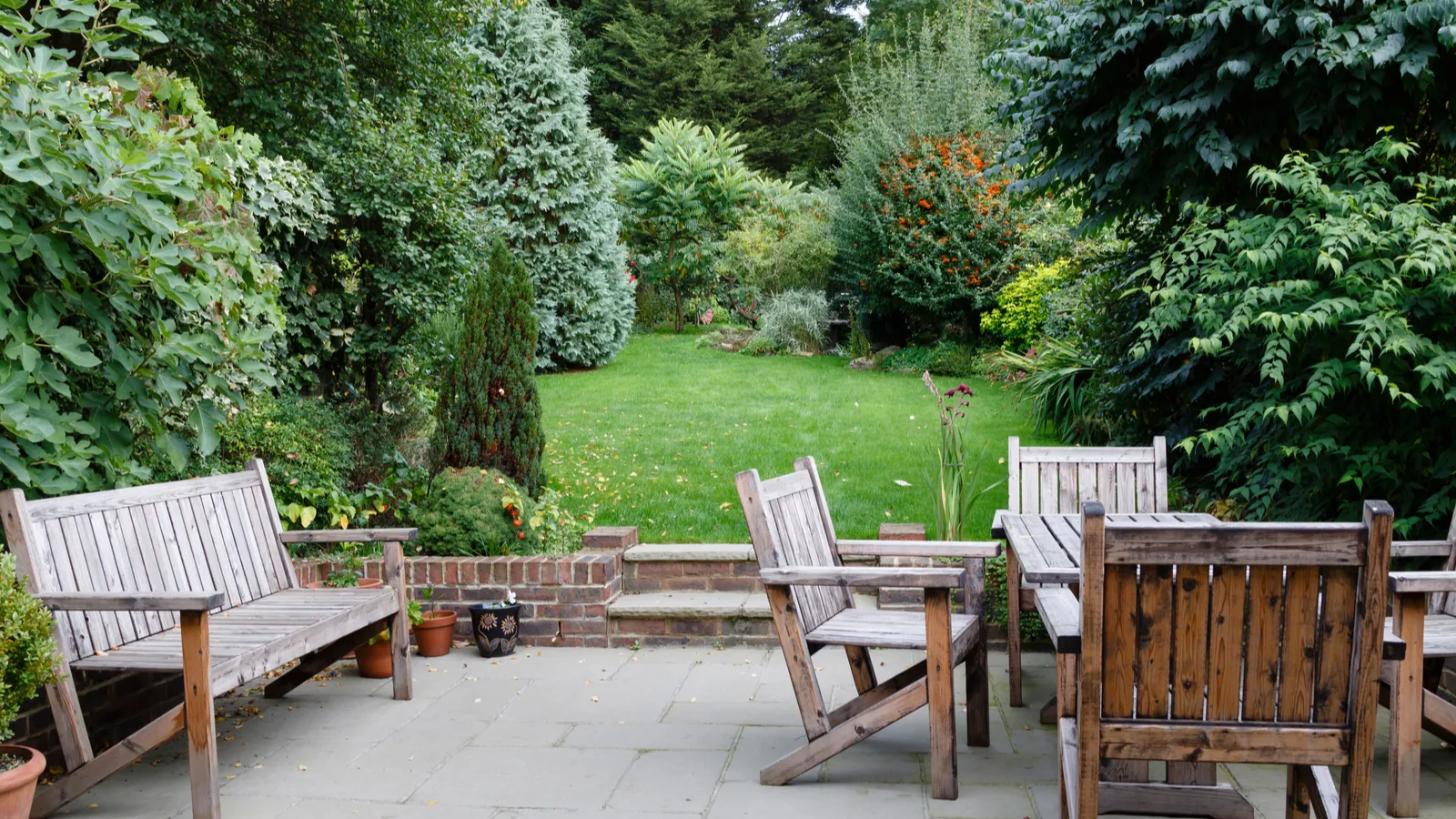

Fragrance changes a garden
Have you ever walked into a garden and instantly noticed the scent before even looking at the flowers? A fragrance garden focuses on creating an experience that appeals to smell as much as sight.
The right combination of plants can make outdoor spaces feel more relaxing, welcoming, and memorable. Even a small garden can be filled with beautiful scents.
Fragrance often adds a layer of enjoyment that colorful flowers alone cannot provide. Many gardeners say scent is what makes a garden truly unforgettable.

Start with a simple plan
Beginners often have more success when they plan their fragrance garden before planting. Thinking about available space, sunlight, and the types of scents you enjoy helps avoid future problems. A simple layout also makes plant care easier.
Starting small allows you to learn without feeling overwhelmed. You can always expand the garden later as your confidence grows. Careful planning creates a stronger foundation for long-term success.

Pick the right location
Location plays a major role in how well a fragrance garden performs. Many fragrant plants grow best in locations that receive plenty of sunlight throughout the day. Areas protected from strong winds help scents linger longer instead of drifting away quickly.
Gardens near patios, decks, or entrances allow people to enjoy fragrances more often. Choosing the right location increases the impact of every plant. Good placement makes scents easier to appreciate.

Grow plants with fragrance
The heart of a fragrance garden is choosing plants known for their scent. Popular options include roses, lilies, sweet alyssum, garden phlox, heliotrope, and dianthus.
These flowers add both beauty and fragrance throughout the season. Mixing different scented plants creates more variety in the garden. Choosing reliable fragrant varieties gives beginners better results. Strong scents often attract pollinators as well.

Add fragrant herbs too
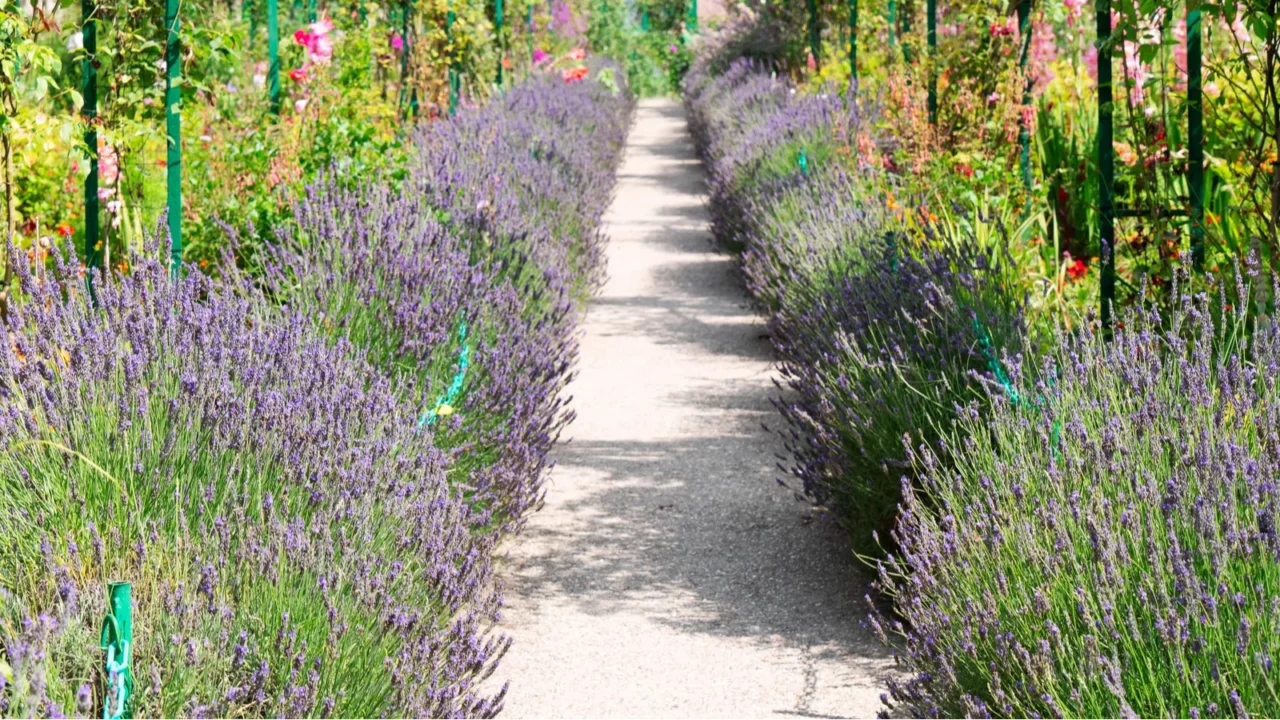
Fragrance gardens are not limited to flowers alone. Herbs such as lavender, rosemary, basil, sage, and creeping thyme add pleasant scents through their leaves.
Many release fragrance when brushed against or touched. This makes them perfect for pathways and seating areas. Fragrant herbs are also useful in cooking and home projects. They add both function and aroma to the garden.

Match plant care needs
One common beginner mistake is combining plants with very different growing requirements. Fragrant plants should ideally share similar needs for sunlight, moisture, and soil conditions. This makes watering and maintenance much easier.
Plants that thrive under the same conditions usually grow more successfully together. Matching care needs reduces stress on the garden. Healthy plants also produce stronger fragrances.

Create fragrance all season
A great fragrance garden does not rely on only one blooming period. Choosing plants with different flowering times keeps scents present across more of the growing season. Some flowers bloom in spring, while others peak in summer or fall.
For example, lilac and hyacinth bring a strong spring fragrance, roses and jasmine fill the summer air with scent, while garden phlox and late-blooming roses extend fragrance into fall.
This creates a changing sensory experience across seasons. Layering bloom times keeps the garden interesting longer. Continuous fragrance adds lasting appeal.
Fun fact: Many fragrant herbs and sun-loving flowers perform best with at least six hours of direct sunlight daily, and stronger light can help aromatic foliage produce more essential oils.
Place scents near pathways
Fragrant plants are often most effective when planted where people naturally pass by. Herbs and scented foliage release stronger aromas when lightly brushed. Pathways, doorways, and seating areas are ideal locations.
This allows visitors to enjoy scents without searching for them. Strategic placement increases the garden’s sensory impact. Small design choices can make fragrances feel much stronger.

Include evening fragrances
Many fragrant plants become especially aromatic in the evening. Night-blooming flowers often rely on scent more than visual attraction to attract pollinators. For example, night-blooming jasmine, evening primrose, and moonflower release stronger fragrance after sunset.
Planting evening-scented varieties near outdoor sitting spaces creates a relaxing nighttime atmosphere. These plants can make a garden feel more inviting after dark. Evening fragrance adds a completely different experience. It helps extend enjoyment beyond daytime hours.
Fun fact: Moonflower vines (Ipomoea alba) are known for their large, luminous white trumpet-shaped blooms measuring about 3 to 6 inches, which open rapidly at dusk and release a sweet fragrance to attract night-flying pollinators.

Avoid overly crowded scents
Too many strong fragrances in one small space can become overwhelming. Experienced gardeners often space highly scented plants apart instead of grouping them tightly together. This allows each fragrance to stand out more clearly.
For example, very strong scents from plants such as jasmine or gardenia can feel overpowering in tight spaces, so use them sparingly and separate them with lower-scent plants that share similar light, soil, and water needs. Mixing scented and unscented plants creates a better balance.
A layered approach often feels more pleasant. Subtle fragrance transitions make the garden more enjoyable. It also helps prevent scent from becoming too intense in warm evening air.

Watch aggressive growers
Some highly fragrant plants can spread aggressively if left unchecked. Mint is a common example that can quickly take over garden beds. Many gardeners grow it in containers to control its spread.
Paying attention to growth habits prevents future maintenance problems. Choosing good plant combinations keeps the garden balanced. Controlled growth makes fragrance gardening easier.

Attract pollinators naturally
Fragrant flowers do more than smell pleasant. Many scents help attract bees, butterflies, and other pollinators into the garden. These visitors support plant reproduction, seed and fruit production, and broader garden biodiversity.
A fragrance garden often becomes more lively and active because of this. Pollinator-friendly plants add ecological value as well as beauty. Their presence benefits the entire garden environment.
Want a beautifully fragrant summer garden? Here are summer-perfect white flowers that bring lasting fragrance to your outdoor space.
Build a memorable garden
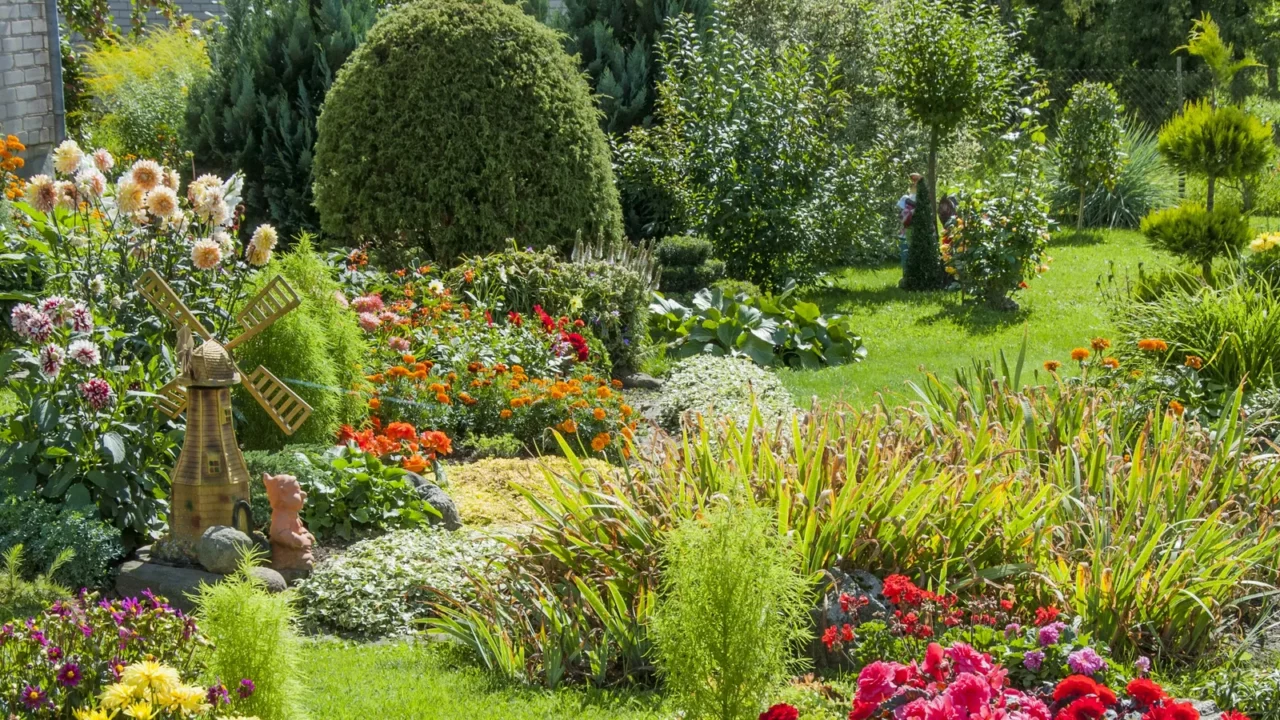
A fragrance garden is often remembered long after people leave it because scent creates strong emotional connections and memories. By combining fragrant flowers, herbs, thoughtful placement, and seasonal variety, even beginners can create a space that feels inviting and personal.
The goal is not just beautiful blooms but a garden that engages multiple senses. Small choices can have a lasting effect on the atmosphere. Sometimes the most memorable part of a garden is the scent carried on the breeze.
Curious which flowers keep bugs away naturally? Here are 16 home garden flowers that naturally repel insects.
Which fragrant plant would you choose as the centerpiece of your garden? Tell us in the comments.
This slideshow was made with AI assistance and human editing.
Don’t forget to follow us for more exclusive content right here on MSN.
Read More From This Brand:





